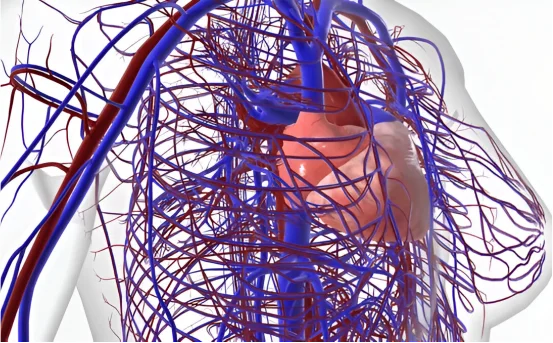
AVM, also known as Arteriovenous malformation (AVM) is an uncommon abnormal tangle of blood vessels that interferes with the normal circulation of blood between veins and arteries. The majority of cases are located in the brain or spinal cord symptoms for arteriovenous malformation may not be detected until they lead to grave health problems. If they do, and an AVM is damaged, it may result in life-threatening issues like stroke, brain injury, or even death.
Asymptomatic AVMs can be found through imaging scans. Certain symptoms can are a warning sign which indicate the need for prompt medical attention and possibly AVM surgery. Being aware of these signs in the early stages is essential for prompt diagnostics and treatments.
Common Symptoms Indicating Arteriovenous Malformation Surgery
Although AVMs differ in their dimension and area, signs they create can assist medical professionals determine if surgery is the appropriate option for you. Here are the most common AVM signs to look out for:
Understanding the symptoms for arteriovenous malformation surgery is crucial for early detection and treatment options.
- Persistent and Severe Headaches :- A chronic, throbbing headache that resist over-the-counter medicines could be the first symptoms of an AVM in the brain. The headaches can be localized, and may worsen in time, particularly when the AVM is expanding or exerting pressure on nearby tissues.
- Seizures :- Seizures are common symptoms of people with AVMs in the brain, especially when the AVM causes disruption to brain electrical activity. The severity of seizures can vary from mild moments (such as twitching or short confusion) to complete convulsions. Seizures that are frequent are an evidence that an examination by a surgeon is needed.
- Neurological Deficits :- Based on the position of the AVM Patients may experience neurological symptoms, such as:
- Numbness or weakness in the legs
- Speech difficulties or difficulty speaking
- Vision issues (blurred vision or double vision blurred vision)
- Balance or coordination issues
- Facial drooping
The symptoms indicate that the AVM could be pressing against or damaging the surrounding brain tissue which could be causing more urgent surgery.
- Cognitive and Behavioral Changes :- Patients might experience the loss of memory, confusion or difficulties in being able to concentrate. In certain instances there could be mood changes or personality disturbances which indicate that the AVM affects areas of the brain that are related to emotion and cognition.
Sudden Onset of Stroke-like Symptoms :- A ruptured AVM may be a sign of the signs of a stroke, such as:
- Numbness or weakness that suddenly occurs to one part of the body
- Trouble speaking or understanding language
- Vision loss
- Balance loss or dizziness
The situation is medically urgent and urgent scans and surgeries might be necessary to stop any further brain damage.
- Intracranial Hemorrhage (Bleeding in the Brain) :- The most alarming sign is a bleed in the brain, which can occur spontaneously or triggered by minor trauma. Signs and symptoms include:
- Sudden, severe headache
- Vomiting
- Confusion loss
- Coma
A hemorrhagic AVM rupture could be life-threatening, and requires immediate surgical attention.
Why AVM Surgery Becomes Necessary
Treatment with surgery for AVMs isn’t always the first option. But, it is necessary in the following situations:
- To Prevent Rupture :- Unruptured AVMs are still a danger of bleeding that could occur in the future. The chance from rupture can be estimated to be 24% annually. Over time, the risk increases, and surgery will eliminate the possibility of massive bleeding.
- To Stop Active Bleeding :- If An AVM breaks, surgery might be necessary to stop the bleeding and ease stress in the brain. The emergency brain AVM surgery is a way to save lives and maintain the neurological function.
- To Control Seizures and Neurological Deficits :- When neurological symptoms or seizures persist despite treatment and treatments, removal of the AVM is often a result of significant improvement or even complete resolution of the symptoms.
- To Improve Quality of Life :- Regular hospital visits, medication and fear of bleeding that could occur at any time can impact the patient’s health. AVM surgery can provide peace of mind and stability.
Types of AVM Surgery
Depending on the location of the AVM and size as well as the risk factors, surgeons can select from a variety of surgical options:
- Microsurgical Resection :- It is the most popular type for AVM surgery, in which the AVM is surgically removed by using precise surgical methods. It is typically suggested for small or medium-sized AVMs that are accessible to parts in the human brain.
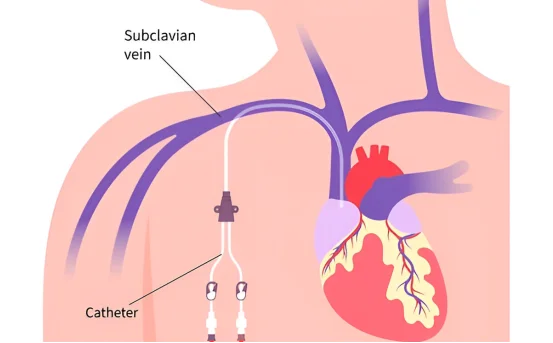
- Endovascular Embolization :- The procedure is minimally invasive and requires threading the catheter into the blood vessels in order to release glue like substances which block the abnormal flow of blood. It is a procedure that can be used by itself or prior to surgery in order to minimize the risk of bleeding.
- Stereotactic Radiosurgery :- When traditional surgery is not safe targeted radiation beams are employed to gradually shut off the AVM as time passes.
Conclusion
Arteriovenous Malformations are often present for many years, but they can suddenly develop life-threatening symptoms. The early recognition of AVM symptoms such as seizures, severe headaches neurologic deficits or stroke-like symptoms is crucial for prompt intervention.
If you or someone close to you has any of these symptoms It is essential to see an expert neurosurgeon or neurologist immediately. Diagnostic tests like MRI, CT scan, and cerebral angiography will verify the diagnosis. Based of the extent, position as well as the risk of an AVM the medical team will decide the need for AVM operation is the most effective treatment alternative.
With the advancements in neurosurgery as well as imaging technologies, AVM surgeries today are more precise and secure than ever before. When treated quickly the majority of patients continue to lead full, healthy lives following surgery.