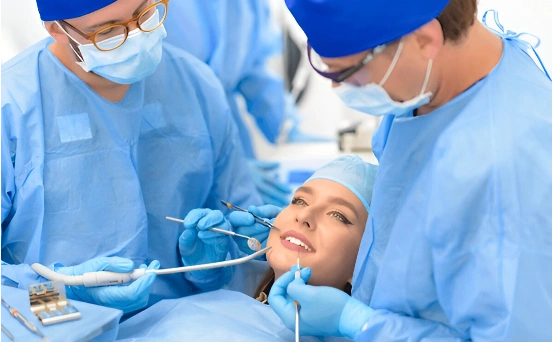
The periodontal disease, also known as gum disease, affects millions of people around the world and is the leading causes of loss of teeth. If left untreated it can develop to gingivitis (early-stage gum inflammation) to periodontitis, which causes damage to the bone and tissues that support your teeth. At this point the need for a professional periodontal procedure may be necessary to restore your oral health. Understanding of types of periodontal surgery.
The procedure of periodontal surgery includes a variety of methods designed to treat gum disease, stopping its progress, and keeping teeth from falling out.
Why is Periodontal Surgery Necessary?
Gum surgery is generally advised when non-surgical treatments for periodontal problems such as root planning and scaling fail to effectively treat the problem. In advanced cases, periodontitis can cause deep pockets in the teeth and gums receding gums, as well as the loss of bone. If it is not treated promptly it may cause:
- Teeth that are loose or shifting
- Bad breath that is persistent
- Bleeding or swollen gums
- Gum abscesses
- Tooth loss
The procedure can help:
- Reduce or eliminate pockets in the periodontal pocket
- Restore the gum attachment and bone density
- Rejuvenate damaged tissue
- Stop the spread of the infection
- Improve the overall function of your mouth and appearance
Let’s now examine the various types of periodontal surgery that are used to treat different types in gum disease.
Types of Periodontal Surgery
Flap Surgery (Pocket Reduction Surgery)
Flap surgery is one the most popular techniques for oral surgery. It is suggested in cases of deep pockets forming around teeth due to the advanced periodontitis.
Procedure:
- The periodontist lifts the gums from the teeth, allowing access to the tartar and bacteria that lie beneath the gum line.
- After thorough cleaning after which the gums are moved in a way that they are snugly fitted around the teeth to reduce the depth of the pocket.
- Sometimes, bone reshaping can be done to stop bacterial growth.
Benefits:
- Reduces gum pocket depth
- It helps prevent the recurrence of bone and gum destruction
- Helps keep your mouth clean
The best option is for patients who have deep pockets of periodontal tissue or bone deterioration.
Bone Grafting
Bone grafting is a procedure used when the tooth’s jaw bone has been damaged by periodontitis. It aids in the regeneration of bone and gives assistance to teeth.
Procedure:
- Bone material (synthetic donor, the bone you have) is put in the area affected.
- In time, this encourages new bone growth and improves tooth support.
Benefits:
- Reduces the risk of tooth loss
- Restores facial structure
- Enhances dental implant success rate
The best option is for severe bone loss due to periodontitis, or trauma.
Guided Tissue Regeneration (GTR)
The process of guided tissue regeneration assists the body to regenerate lost connective and bone tissue naturally.
Procedure:
- A thin mesh-like barrier is placed into the gap between gums and the bone.
- This stops gum tissue from forming this bone hole, which allows bone cells to grow.
Benefits:
- Supports natural healing
- Helps to promote bone and tissue growth.
- It helps to prevent tooth extraction
Ideal for patients with severe bone defects around their teeth.
Gingivectomy
A gingivectomy is the surgical elimination of gum tissue which may have gotten arose because of gum diseases or drugs.
Procedure:
- Overgrown or diseased gum tissue is removed.
- This area gets cleaned as well as reshaped to ensure improved dental hygiene.
Benefits:
- Reduces pockets of bacteria that harbor harmful bacteri
- Improves gum appearance
- Helps with flossing and brushing.
Ideal for: mild gum overgrowth as well as early stage gum disease.
Gingival Flap and Bone Surgery
This procedure is a cutting-edge technique that incorporates flap surgery with implant grafting or bone shaping to repair severe damage to the periodontal.
Procedure:
- When the flap is removed then the bone beneath is then reshaped or expanded.
- After that, the flap can be moved to cover the area being treated.
Benefits:
- Treats bone and gum injury
- Stops the progression of disease
- Improves the gumline and provides stability
The best treatment is for severe periodontitis accompanied by bone irregularities.
Soft Tissue Graft (Gum Graft Surgery)
If the gums are receding due to age or brushing or aggressive brushing, a soft tissue graft can help the tooth’s roots to be covered.
Procedure:
- Tissue is taken from either the mouth’s roof or from a donor source.
- Then, it is sewn onto the gum line that is affected to safeguard tooth roots and improve their appearance.
Benefits:
- Reduces tooth Sensitivity of the tooth
- Helps prevent further recession of the gums.
- Improves smile aesthetics
Ideal for: Gum loss and exposed root.
LANAP (Laser-Assisted New Attachment Procedure)
The LANAP is a minimally-invasive dental laser procedure. It provides less discomfort and faster healing.
Procedure:
- A dental laser can be used to eliminate infected tissues and bacteria from deep pockets of the periodontal pocket.
- The area is disinfected, then secured without stitching.
Benefits:
- Minimally infected
- Faster healing time
- Protects healthy tissue
Ideal for patients who want an alternative to traditional and less invasive option for periodontal surgery.
Post-Surgical Care & Recovery
No matter what type of surgery performed, the proper post-operative treatment is vital to recovery and long-term success. Your dentist may recommend:
- Antibiotics and pain relief medications
- Soft diet for a few days
- Chlorhexidine or rinses with saline
- Beware of alcohol or tobacco
- Clean-ups, regular checks and follow-up cleaning
The maintenance of good oral hygiene and regularly scheduled dental visits is essential to avoid any recurrences from gum diseases.
Conclusion
The procedure is available in a variety of ways for those suffering from severe gum disease. If it’s flap or gum grafts, bone grafting or laser-assisted treatments the procedures are created to protect the natural tooth, regain gum health, and improve the overall health of your mouth.
Talk to a periodontist who is certified to determine the most effective treatment for your particular condition. By implementing the correct treatment and follow-up care, you will be able to restore your oral health and feel confident about smiling again.