Fatty liver disease has become increasingly common in recent years due to changes in lifestyle, diet, and the global rise in obesity and metabolic disorders. Often referred to as a “silent” condition, fatty liver disease may progress for years without noticeable symptoms. By the time physical symptoms of fatty liver disease significant liver damage may have already occurred.
What is Fatty Liver Disease?
Fatty liver disease, also known as hepatic steatosis, occurs when excess fat builds up in the liver. The liver is a vital organ that helps digest food, store energy, and remove toxins from the body. When fat accounts for more than 5% to 10% of your liver’s weight, it is classified as a fatty liver.
There are two main types:
- Non-Alcoholic Fatty Liver Disease (NAFLD) :- Occurs in people who drink little or no alcohol.
- Alcoholic Fatty Liver Disease (AFLD) :- Caused by heavy alcohol consumption.
In both cases, the buildup of fat can lead to inflammation, liver cell damage, and long-term liver complications if left untreated.
Why is Fatty Liver Disease Called a ‘Silent Disease’?
Many people with fatty liver disease are unaware they have it, especially in the early stages. The liver does not have pain receptors like other organs, so it doesn’t “hurt” until the damage is significant. As a result, symptoms often appear only after the disease has progressed to more severe forms such as non-alcoholic steatohepatitis (NASH) or cirrhosis.
Understanding and identifying the subtle and emerging symptoms of fatty liver disease is key to preventing its progression.
Common Symptoms of Fatty Liver Disease
- Fatigue and General Weakness :- One of the most reported symptoms in individuals with fatty liver disease is persistent fatigue. This is often a vague, non-specific symptom that can easily be attributed to daily stress or lack of sleep. However, in the context of liver disease, fatigue results from the liver’s reduced ability to store and produce energy efficiently.
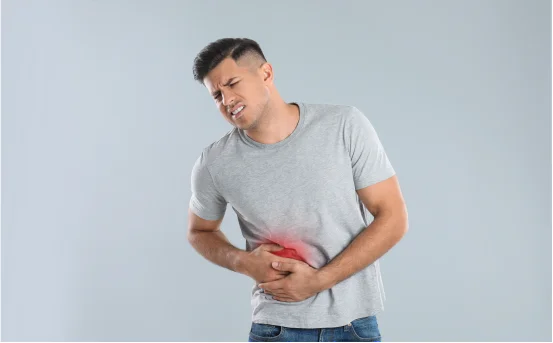
- Discomfort or Pain in the Upper Right Abdomen :- Some individuals may experience a dull or aching pain in the upper right side of the abdomen, where the liver is located. This pain may not be sharp, but it is persistent and can be uncomfortable. It results from the liver enlarging due to fat accumulation and pressing against surrounding tissues.
- Unexplained Weight Loss or Weight Gain :- In early stages, some people may gain weight due to poor metabolism and insulin resistance. Conversely, in more advanced stages like cirrhosis, weight loss and muscle wasting can occur despite maintaining a regular diet. These changes are often overlooked but may indicate deteriorating liver health.
- Loss of Appetite :- A decrease in appetite is commonly seen in individuals as the disease progresses. It is often accompanied by nausea or a general sense of feeling full even after small meals. This can lead to further nutritional deficiencies and worsening liver function.
- Swelling in the Abdomen (Ascites) :- As fatty liver progresses, fluid may accumulate in the abdomen, causing swelling and bloating, known as ascites. This symptom is more indicative of advanced liver disease or cirrhosis. The abdomen may appear distended, and the condition can be uncomfortable or even painful.
- Jaundice (Yellowing of Skin and Eyes) :- While not common in early stages, jaundice becomes more apparent in the later stages of fatty liver disease, especially when cirrhosis has set in. This yellowing is due to the buildup of bilirubin, a waste product that the liver normally processes. Jaundice is a serious sign that liver function is significantly impaired.
- Dark Urine and Pale Stools :- Changes in the color of urine and stool may be early indicators of liver dysfunction. Dark-colored urine and pale or clay-colored stools may suggest bile flow issues, often linked to liver inflammation or damage.
- Itchy Skin :- Persistent itching without an obvious rash can be a subtle sign of liver dysfunction. This occurs when bile salts accumulate in the bloodstream due to impaired liver function, irritating the skin.
- Confusion or Difficulty Concentrating (Hepatic Encephalopathy) :- In severe cases of liver disease, toxins such as ammonia can build up in the bloodstream and affect brain function. This can result in confusion, poor concentration, memory issues, and in extreme cases, coma. Though rare in the early stages, this is a critical symptom requiring immediate medical attention.
- Red Palms and Spider-like Blood Vessels :- Also known as palmar erythema, red discoloration of the palms can be seen in advanced stages of liver disease. Spider angiomas clusters of blood vessels visible near the skin surface may also appear, especially on the face, chest, and upper limbs.
When to See a Doctor
Because many symptoms of fatty liver disease are non-specific and may mimic other conditions, it’s important not to ignore ongoing fatigue, abdominal discomfort, or unexplained weight changes. A doctor may recommend liver function tests, imaging (like ultrasound), or a liver biopsy to determine the extent of fat accumulation and liver damage.
The Importance of Early Detection
Early-stage fatty liver disease is often reversible with lifestyle changes such as improved diet, regular exercise, weight loss, and control of underlying conditions like diabetes or high cholesterol. However, if symptoms are ignored and the disease progresses, it can lead to fibrosis, cirrhosis, or even liver cancer.
Conclusion
Fatty liver disease is a growing global health concern that can quietly damage one of the body’s most vital organs. While early stages are often symptomless, being aware of subtle changes like persistent fatigue, abdominal pain, appetite loss, or skin change scan be life-saving.
Pay attention to your body, and if you notice any of the symptoms mentioned above, consult a healthcare provider for proper evaluation. With early detection and lifestyle modifications, it is possible to halt or even reverse the progression of fatty liver disease.