Introduction
Laparoscopic colon surgery, also known as minimally invasive colon resection, is a modern surgical technique used to treat various colon-related conditions such as colorectal cancer, diverticulitis, Crohn’s disease, and polyps. Unlike traditional open surgery, laparoscopic surgery uses small incisions and specialized instruments, leading to quicker recovery, less pain, and reduced hospital stays. Understanding the procedure in Laparoscopic Colon Surgery involved helps patients feel more confident and informed before undergoing surgery.
Procedure Involved in Laparoscopic Colon Surgery
The process of laparoscopic colon surgery involves several well-defined steps starting from preoperative preparation to postoperative care. Each phase is essential to ensure the success of the operation and minimize complications.
- Preoperative Evaluation
Before the surgery, the patient undergoes a thorough evaluation that includes blood tests, colonoscopy results, imaging studies such as CT scans, and a detailed review of medical history. This is followed by a physical examination and consultation with the surgical team. Bowel preparation is usually recommended a day before the procedure to clean the colon, and fasting is required from midnight prior to surgery. - Anesthesia Administration
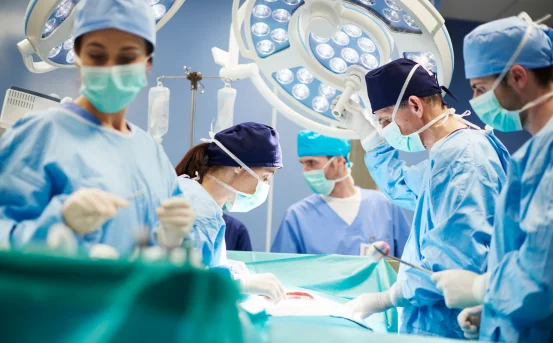
The surgery begins with the administration of general anesthesia, which puts the patient into a deep sleep to ensure comfort and pain-free experience during the procedure. A breathing tube is inserted to assist with respiration, and the patient is closely monitored throughout the surgery. - Creating Access Through Small Incisions
Several small incisions are made in the abdomen, typically around 0.5 to 1 cm each. Through one of these incisions, a laparoscope a long, thin tube with a camera and light is inserted. This device sends high-definition images to a monitor, allowing the surgeon to view the inside of the abdomen in real-time. - Insufflation of the Abdomen
To provide better visibility and working space, carbon dioxide gas is pumped into the abdominal cavity. This inflates the area, separating the abdominal wall from the internal organs and allowing the surgeon to maneuver instruments without obstruction. - Inserting Surgical Instruments
Through the other incisions, specialized laparoscopic instruments are introduced to manipulate the colon. These tools allow the surgeon to cut, cauterize, suture, and remove sections of the colon while maintaining a high degree of precision. - Mobilization of the Colon
The surgeon carefully separates the targeted portion of the colon from surrounding tissues. Blood vessels feeding that section are sealed and divided. If a segment of the colon is diseased, such as in cases of cancer or severe inflammation, it is completely removed from the body. - Anastomosis or Stoma Formation
After removing the diseased portion, the remaining ends of the colon are reconnected in a process called anastomosis. If reconnection isn’t possible immediately especially in severe infections or emergency cases a stoma may be created. This involves bringing a portion of the colon to the surface of the abdomen to allow stool to exit into a colostomy bag. - Closure of Incisions
Once the procedure is completed, the instruments are withdrawn, and the carbon dioxide is released from the abdomen. The small incisions are closed with dissolvable sutures or surgical glue. A sterile dressing is applied to protect the wounds and promote healing. - Postoperative Recovery
Patients are transferred to a recovery room for monitoring until they regain consciousness. Pain management, fluid intake, and gradual reintroduction of food are part of the recovery plan. Most patients can begin moving around within a day and are usually discharged within 3 to 5 days, depending on their condition and recovery progress. - Follow-Up and Healing
Follow-up visits are scheduled to monitor healing, remove stitches if necessary, and review pathology reports if any tissue was removed. Patients are advised to avoid strenuous activity for several weeks, maintain a high-fiber diet, and watch for signs of infection or complications.
Conclusion
Laparoscopic colon surgery is a sophisticated, patient-friendly approach that offers multiple benefits over traditional open surgery. Understanding the procedure from preparation to recovery helps patients manage their expectations, reduce anxiety, and actively participate in their healing journey. With skilled surgical care and proper post-operative support, most patients recover well and resume normal activities with improved health and quality of life.