Introduction
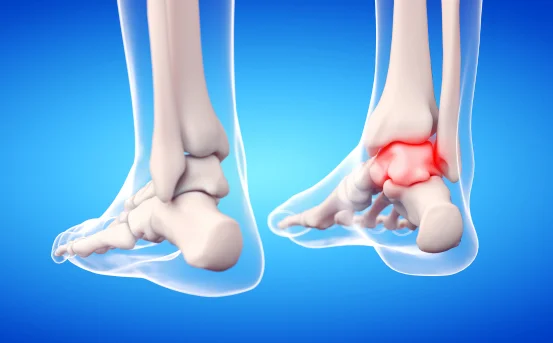
Arthrodesis surgery, also known as joint fusion, is a specialized orthopedic procedure that permanently fuses two or more bones in a joint. By eliminating movement in the affected joint, this surgery aims to relieve chronic pain caused by severe arthritis, joint deformity, or trauma. Arthrodesis can be performed on various joints, including the ankle, wrist, spine, hip, and fingers. It is often recommended when non-surgical treatments fail to provide relief and joint replacement is not a suitable option.
Different surgical techniques are used in arthrodesis, and the choice of method depends on the location of the joint, the severity of the condition, and the patient’s overall health. Each type of arthrodesis surgery is designed to stabilize the joint, promote bone healing, and provide long-term pain relief.
Here, we will explore the main types of arthrodesis surgery used to treat damaged or unstable joints.
Types of Arthrodesis Surgery
- Internal Fixation Arthrodesis :- Internal fixation arthrodesis is one of the most common techniques used in joint fusion surgeries. In this method, the surgeon uses internal hardware such as plates, screws, rods, or wires to hold the bones in place until they fuse together. The procedure begins with the removal of the damaged cartilage and joint surfaces. The bones are then carefully aligned in the most functional position. Metal implants are inserted to stabilize the bones, and a bone graft (from the patient or a donor) may be added to stimulate bone healing. Over time, the bones grow together and become a single solid unit. This type of arthrodesis is widely used for joints that need a high level of stability, such as the ankle, wrist, and spine. One of the main advantages of internal fixation is that it provides rigid stabilization, which allows the bone to heal more effectively. Patients may also be able to begin partial weight-bearing sooner compared to other techniques. However, the presence of metal hardware can sometimes cause discomfort or irritation. In rare cases, a second surgery may be required to remove the implants once the bones have fused completely.
- External Fixation Arthrodesis :- External fixation arthrodesis involves using a stabilizing device that is placed outside the body and connected to the bones through pins or wires. This external frame keeps the bones aligned while they fuse. This method is particularly useful when there is significant soft tissue damage, infection, or poor bone quality that makes internal fixation difficult or unsafe. The external fixator provides strong stability and allows surgeons to make adjustments to the bone alignment during the healing process if needed. Although external fixation is highly effective, it can be more cumbersome for patients. The frame is worn for several weeks or months, and patients need to take special care to prevent infection at the pin sites. Despite these challenges, external fixation arthrodesis is a valuable option for complex cases where other methods are not feasible.
- Onlay Arthrodesis :- Onlay arthrodesis is a technique in which a bone graft is placed on the surface of the joint rather than between the joint surfaces. The graft acts as a bridge that helps the bones fuse together. This method can be performed with or without additional hardware for stabilization. Onlay arthrodesis is often chosen when the joint surfaces are irregular or when there is significant bone loss. It can also be used in combination with other arthrodesis techniques to enhance the fusion process. The success of this method depends on the quality of the bone graft and the ability of the bones to grow into the graft material. Patients typically need a longer period of immobilization to allow the graft to integrate fully with the existing bone.
- Compression Arthrodesis :- Compression arthrodesis is a specialized method that uses compression devices or screws to press the joint surfaces together tightly. By maintaining constant pressure across the joint, this technique encourages faster bone healing and fusion. This method is particularly effective for small joints such as those in the foot, ankle, or hand. Compression arthrodesis can be performed using internal devices like screws or external fixators, depending on the location and condition of the joint. The benefit of this technique is that it promotes rapid fusion by eliminating any gaps between the bones. However, precise alignment is essential, as improper positioning can lead to deformity or reduced function once the joint has fused.
- Arthroscopic-Assisted Arthrodesis :- Arthroscopic-assisted arthrodesis is a minimally invasive approach that uses a small camera (arthroscope) and specialized instruments to prepare the joint for fusion. This technique allows the surgeon to remove damaged cartilage and place bone grafts through tiny incisions, reducing trauma to the surrounding tissues. Because it is less invasive, arthroscopic-assisted arthrodesis is associated with shorter hospital stays, reduced post-operative pain, and faster recovery compared to traditional open surgery. It is commonly used for joints such as the ankle and wrist, where arthroscopy provides excellent visualization. Not all patients are candidates for arthroscopic-assisted arthrodesis, especially those with severe deformity or complex joint damage. However, for appropriately selected patients, this method can offer excellent results with minimal complications.
Conclusion
Arthrodesis surgery is a versatile and effective solution for patients suffering from chronic joint pain, instability, or deformity. The choice of technique whether internal fixation, external fixation, onlay, compression, or arthroscopic-assisted arthrodesis depends on the joint involved, the severity of the condition, and the patient’s unique needs.
Each method has its own advantages and considerations, but the ultimate goal is the same: to provide lasting pain relief and restore function by fusing the bones into a single, stable unit. Patients should consult with an experienced orthopedic surgeon to determine which type of arthrodesis surgery is most suitable for their condition. With proper surgical planning and rehabilitation, arthrodesis can dramatically improve quality of life for individuals struggling with debilitating joint problems.