Cystoscopy is a common urological procedure used to examine the inside of the bladder and urethra using a thin, flexible or rigid tube called a cystoscope. This diagnostic tool allows urologists to directly visualize abnormalities and identify the cause of urinary symptoms. But one may wonder, “When is cystoscopy actually needed?”
A cystoscopy allows a urologist to directly visualize the inside of the bladder and urethra using a specialized instrument called a cystoscope. This minimally invasive procedure provides valuable insight into conditions that cannot be easily diagnosed through imaging tests or urine analysis alone.
What Is Cystoscopy?
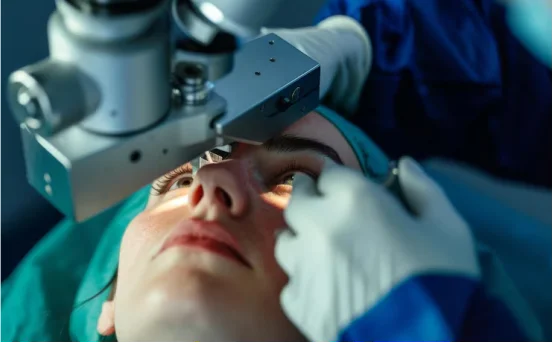
Before diving into when it’s needed, it’s important to understand what a cystoscopy entails. A cystoscopy involves inserting a cystoscope a special endoscopic instrument equipped with a light and camera through the urethra and into the bladder. It is typically performed by a urologist in a clinical or hospital setting.
There are two types of cystoscopes: flexible and rigid. Flexible cystoscopes are generally used for diagnostic purposes and can often be performed under local anesthesia. Rigid cystoscopes are more often used in operative procedures and may require general or spinal anesthesia.
Common Symptoms That May Require a Cystoscopy
Cystoscopy is not usually the first step in diagnosing urinary issues. Doctors typically recommend it when other tests like urine analysis, ultrasound, or CT scans have not provided sufficient answers. Some symptoms that may lead to a cystoscopy recommendation include :-
- Blood in the Urine (Hematuria) :- One of the most common reasons for a cystoscopy is hematuria, or blood in the urine. When blood is visible or detected microscopically in a urine test and the cause is unclear, a cystoscopy can help detect issues like bladder tumors, stones, or inflammation.
- Frequent Urinary Tract Infections (UTIs) :- Recurrent UTIs especially in women or older adults can sometimes be caused by structural abnormalities or chronic inflammation. A cystoscopy can help identify conditions such as bladder diverticula, stones, or foreign bodies that could be contributing to repeated infections.
- Painful Urination or Pelvic Pain :- When patients report pain during urination (dysuria) or persistent pelvic discomfort without a clear cause, cystoscopy may be used to inspect the bladder for signs of interstitial cystitis, ulcers, or tumors.
- Urinary Obstruction or Poor Urine Flow :- Men and women with difficulty urinating, slow stream, or feelings of incomplete bladder emptying may need a cystoscopy to assess for urethral strictures, enlarged prostate, or bladder neck obstruction.
- Unexplained Incontinence or Urinary Retention :- Urinary incontinence that doesn’t respond to treatment or sudden onset of urinary retention can indicate a functional or structural problem. Cystoscopy can help determine the presence of nerve-related bladder dysfunction or physical blockages.
Conditions Diagnosed or Treated by Cystoscopy
Cystoscopy is not only a diagnostic tool it is also used for minor therapeutic procedures. Here are some common conditions that can be diagnosed or managed during cystoscopy :-
-
Bladder cancer :- Early tumors or suspicious lesions can be directly visualized and biopsied.
-
Bladder stones :- Stones can be diagnosed and even broken or removed during cystoscopy.
-
Interstitial cystitis :- A condition characterized by chronic bladder pain that may show characteristic changes like Hunner’s ulcers.
-
Urethral strictures :- Narrowing of the urethra that can be seen and sometimes treated using dilation or incisions.
-
Enlarged prostate :- In men, a cystoscope can help evaluate how much the prostate is obstructing urine flow.
When Is It Not Necessary?
Despite being a powerful diagnostic tool, cystoscopy is not needed for every urinary complaint. For example, a single uncomplicated UTI in a young, healthy adult usually does not require cystoscopy. Similarly, if an obvious cause of hematuria is found through imaging, cystoscopy may not be immediately necessary. The procedure is also generally avoided in cases of active urinary tract infections due to the risk of worsening the infection.
When is Cystoscopy Needed
The right time for a cystoscopy depends on several factors, including the persistence and severity of symptoms, failure of initial treatments, and findings on other diagnostic tests. A urologist will typically recommend cystoscopy when :-
-
Symptoms are chronic or recurrent
-
Initial tests like urine cultures or imaging fail to provide a diagnosis
-
There is suspicion of cancer, stones, or anatomical abnormalities
-
Non-invasive management strategies have not been successful
Sometimes, cystoscopy is also scheduled before urological surgeries to map the bladder and urethra, especially if the surgical area is near the urinary tract.
What to Expect During the Procedure?
Cystoscopy is generally a safe and well-tolerated procedure. For flexible cystoscopy, it can be done in a doctor’s office using local anesthesia. Patients may feel some pressure or discomfort, but the procedure usually lasts only 5 to 10 minutes. For more complex evaluations or treatments, rigid cystoscopy may be performed in a hospital under general or spinal anesthesia.
After the procedure, mild burning with urination or small amounts of blood in the urine can occur, but these symptoms typically resolve within a day or two. Drinking plenty of water post-procedure helps flush out the bladder and minimize discomfort.
Risks and Considerations
Like all medical procedures, cystoscopy comes with a small risk of complications. These include :-
-
Urinary tract infection
-
Bleeding
-
Painful urination
-
Urethral injury
It’s important to inform your doctor of any allergies, medications, or previous urinary tract surgeries before undergoing cystoscopy. In some cases, prophylactic antibiotics are given to reduce infection risk.
Conclusion
Cystoscopy is a highly valuable tool for diagnosing and sometimes treating conditions of the lower urinary tract. It becomes necessary when other diagnostic methods fail to uncover the root cause of persistent or unexplained urinary symptoms.