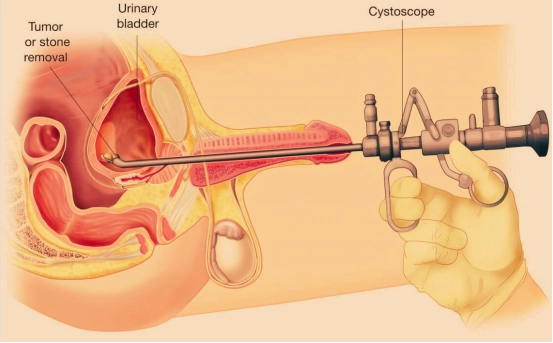
Cystoscopy is a medical procedure that allows doctors to examine the inside of the bladder and urethra using a special instrument called a cystoscope. This minimally invasive diagnostic tool helps detect urinary problems, bladder diseases, infections, and even cancer.
Whether you’re dealing with frequent urination, ongoing bladder issues, or are being evaluated for bladder cancer, cystoscopy can offer clear insights into your condition. It not only helps in diagnosing a wide range of urinary tract disorders but also enables doctors to perform minor treatments and biopsies during the same procedure if necessary.
What is Cystoscopy?
Cystoscopy is a procedure that involves the insertion of a thin, tube like device (called a cystoscope) into the urethra to reach the bladder. The cystoscope is equipped with a camera and light source, allowing urologists to view real time images of the urinary tract on a monitor. It helps identify abnormalities like bladder stones, tumors, inflammation, urethral strictures, or infections.
The procedure can be both diagnostic and therapeutic. For instance, if a small tumor or stone is detected, it can sometimes be removed during the same procedure using special tools passed through the cystoscope.
Why is Cystoscopy Performed?
Cystoscopy is commonly performed to investigate the causes of urinary symptoms such as :-
-
Frequent or painful urination
-
Blood in urine (hematuria)
-
Recurrent urinary tract infections (UTIs)
-
Incontinence or difficulty in urinating
-
Unexplained pelvic pain
-
Suspected bladder cancer or polyps
-
Blockages in the urinary tract
It also plays an essential role in monitoring conditions like bladder tumors after treatment or surgery.
Types of Cystoscopy: Rigid vs Flexible
There are two main types of cystoscopy, and the choice depends on the reason for the test and the patient’s condition.
- Flexible Cystoscopy :- This type uses a soft, bendable cystoscope and is usually performed under local anesthesia. It is commonly done in outpatient settings and is more comfortable, especially for men, as it passes more easily through the urethra.
- Rigid Cystoscopy :- This uses a straight, rigid tube and is often done under general or regional anesthesia. Rigid cystoscopy allows for the insertion of surgical instruments for biopsy, removal of tumors, or treatment of urinary tract issues.
Preparing for a Cystoscopy
Preparation for cystoscopy is usually minimal but important. Your healthcare provider may advise you on the following :-
-
Fasting :- If you are receiving general anesthesia, you may need to fast for 6–8 hours prior to the procedure.
-
Medications :- Inform your doctor about any blood thinners or medications you take. You might need to temporarily stop certain medications.
-
Antibiotics :- In some cases, especially if you are prone to UTIs, your doctor may prescribe antibiotics to prevent infection.
-
Bladder :- You may be asked to empty your bladder just before the test.
Your healthcare team will provide specific instructions based on whether the cystoscopy is flexible or rigid.
Procedure of Cystoscopy
The cystoscopy procedure typically takes about 5 to 30 minutes, depending on whether it is diagnostic or therapeutic. Here is a general step by step overview of how it is performed :-
- Positioning the Patient :- You will lie on an examination table, usually with your knees bent and legs apart (lithotomy position). A sterile drape is placed over the area.
- Anesthesia Administration :- For flexible cystoscopy, a local anesthetic gel is applied to the urethra to minimize discomfort. For rigid cystoscopy or more complex procedures, sedation, spinal, or general anesthesia may be used.
- Inserting the Cystoscope :- The cystoscope is gently inserted into the urethra and advanced toward the bladder. Saline or sterile water is infused to expand the bladder, providing a clearer view of the bladder walls.
- Visual Examination :- The doctor examines the urethra, bladder lining, and openings of the ureters on a video monitor. Any abnormalities such as lesions, inflammation, or stones can be identified.
- Biopsy or Treatment (if required) :- If any unusual tissue is found, a biopsy may be taken. Small tools may be passed through the cystoscope to remove stones, polyps, or tumors, if indicated.
- Removing the Cystoscope :- Once the examination or treatment is complete, the cystoscope is carefully withdrawn, and the procedure ends.
What to Expect After a Cystoscopy?
Most patients can go home shortly after a flexible cystoscopy. If you had sedation or anesthesia, you might need a few hours of recovery.
After the procedure, it is common to experience :-
-
A burning sensation during urination
-
Frequent urges to urinate
-
Slight blood in the urine
-
Mild lower abdominal discomfort
These symptoms usually resolve within 24 to 48 hours. Drinking plenty of fluids can help flush the bladder and ease irritation. However, you should contact your doctor if you develop fever, severe pain, or heavy bleeding.
Risks and Complications of Cystoscopy
Cystoscopy is generally a safe and well tolerated procedure, but like any medical intervention, it carries some risks :-
-
Urinary tract infection (UTI)
-
Bleeding
-
Injury to the urethra or bladder
-
Difficulty urinating post-procedure
-
Reaction to anesthesia (in rare cases)
Your doctor will discuss these risks and take necessary precautions to minimize complications.
Recovery and Aftercare
Recovery from flexible cystoscopy is quick, often allowing patients to resume normal activities the same day. For rigid cystoscopy or if a biopsy/treatment was performed, recovery may take a day or two.
Helpful tips during recovery include :-
-
Hydration :- Drink 6–8 glasses of water daily to help clear the bladder.
-
Pain Relief :- Use over the counter pain relievers like paracetamol if needed.
-
Avoid Strain :- Refrain from heavy lifting or strenuous activity for at least 24 hours.
-
Follow Up :- Attend all follow up appointments, especially if a biopsy was taken.
When to Call Your Doctor?
Although mild discomfort is expected after cystoscopy, seek medical attention if you experience :-
-
Fever above 100.4°F (38°C)
-
Persistent or heavy bleeding
-
Inability to urinate
-
Severe abdominal or pelvic pain
Prompt medical evaluation can help prevent complications and ensure proper healing.
Conclusion
Cystoscopy is a valuable diagnostic and therapeutic tool for identifying and managing various urinary tract conditions. It’s a safe and effective procedure that offers direct visualization of the bladder and urethra, helping doctors make accurate diagnoses.