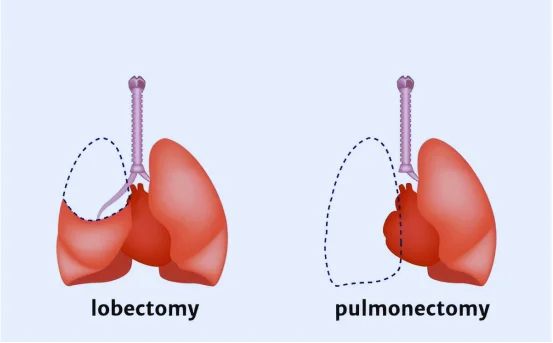
Open surgery is a traditional surgical technique involving a large incision to access the target area within the body. Though medical technology has advanced to include minimally invasive options like laparoscopic and robotic-assisted surgeries, open surgery is still widely used, especially in complex or emergency cases.
Understanding the side effects associated with symptoms of open surgery is crucial for patients and caregivers. Knowing what to expect helps manage anxiety, ensures better post-operative care, and helps identify signs of complications early. In this blog, we will explore the various symptoms related to open surgery from pre-operative to post-operative and discuss which ones are normal and which require medical attention.
What Is Open Surgery?
Open surgery involves making a large incision through skin and tissues to reach the organ or structure being treated. It’s often used for procedures involving:
- Abdominal organs (e.g., bowel resections, appendectomies)
- Cardiac procedures (e.g., open-heart surgery)
- Orthopedic operations (e.g., joint replacements)
- Tumor removals
- Trauma repairs
The size of the incision, duration of surgery, and nature of the procedure affect the symptoms experienced afterward.
Symptoms of Open Surgery
Prior to surgery, patients may already be experiencing symptoms related to their underlying condition, such as:
- Pain or discomfort in the affected area (e.g., abdominal pain for appendicitis)
- Swelling or inflammation
- Fatigue
- Digestive issues (if gastrointestinal organs are involved)
- Breathing difficulties (for heart or lung-related surgeries)
These symptoms will often be the reason surgery is needed in the first place. Once diagnosed and surgery is planned, you may also experience pre-operative anxiety, which can include:
- Sleep disturbances
- Elevated heart rate
- Sweating
- Nervousness or fear
Many hospitals now offer pre-op counseling to help patients manage these emotional symptoms.
Symptoms Immediately After Open Surgery
After surgery, patients are moved to a recovery room where they are closely monitored. Symptoms commonly experienced in the immediate post-operative period include:
- Pain at the Incision Site :- This is one of the most common and expected symptoms. Pain may vary depending on the size and location of the incision. It is usually managed with prescribed painkillers.
- Swelling and Bruising :- Swelling around the incision site is normal due to tissue trauma. Bruising may also occur and should gradually improve within days.
- Fatigue and Weakness :- Your body uses a lot of energy to heal. It’s normal to feel tired and weak for several days, or even weeks, depending on the type of surgery.
- Nausea or Vomiting :- Anesthesia and post-operative medications often cause gastrointestinal upset. This usually resolves within 24-48 hours.
- Soreness and Limited Mobility :- Muscles and tissues surrounding the incision might feel sore. Moving, coughing, or sneezing can be painful initially.
Common Symptoms During Recovery
As you begin your recovery at home or in a step-down facility, you might experience:
- Scab Formation and Itching :- The incision site may scab over and start to itch as it heals — this is normal. However, resist the urge to scratch as it may delay healing or introduce bacteria.
- Low-Grade Fever :- A mild fever (below 100.4°F or 38°C) is common in the first few days as your immune system responds to the trauma of surgery.
- Constipation :- Due to anesthesia, painkillers, and limited mobility, constipation is frequent after open surgery. Staying hydrated and using stool softeners if advised can help.
- Loss of Appetite :- You might not feel hungry for several days. This is common and improves as your digestive system normalizes.
- Changes in Urination or Bowel Movements :- Depending on the area of surgery, you may notice changes in how often or comfortably you urinate or have bowel movements.
Warning Signs: When Symptoms Are Not Normal
While many symptoms are expected and manageable, some may signal complications. Seek immediate medical attention if you notice:
- High Fever (Above 101°F or 38.5°C) :- This could be a sign of an infection, especially if accompanied by chills or sweating.
- Redness, Warmth, or Pus at the Incision Site :- These are signs of wound infection. Also, be wary of any foul-smelling discharge.
- Excessive Bleeding :- A small amount of blood-tinged discharge is normal, but if bleeding soaks through your bandages or doesn’t stop, get help immediately.
- Severe or Worsening Pain :- Pain should gradually improve, not worsen. Increasing pain could indicate an internal issue like a hematoma, abscess, or surgical site complication.
- Shortness of Breath or Chest Pain :- These could indicate serious conditions like a pulmonary embolism or heart problem, especially if surgery was cardiac-related.
- Sudden Swelling in Legs :- This may be a symptom of deep vein thrombosis (DVT), which requires urgent care.
Emotional and Psychological Symptoms
Open surgery doesn’t just affect the body it can also take a toll on mental health. Some patients report:
- Mood swings
- Anxiety or depression
- Sleep disturbances
- Fear of complications or pain
This is especially common in those undergoing major surgeries like mastectomy or heart surgery. Support groups, counseling, and open communication with your healthcare team can help manage these symptoms.
Tips for Managing Post-Operative Symptoms
- Follow all post-op instructions given by your surgeon or nurse.
- Keep the incision site clean and dry to prevent infection.
- Take medications exactly as prescribed (especially antibiotics and painkillers).
- Stay hydrated and eat nutritious foods to support healing.
- Start walking and moving (as advised) to improve circulation and prevent blood clots.
- Track your symptoms in a journal to note any changes or concerns.
Conclusion
Open surgery, while effective, is a significant event for the body. The symptoms experienced can range from mild pain and fatigue to serious complications that need urgent care. Recognizing the difference between normal healing symptoms and dangerous warning signs can make a substantial difference in your recovery.
Always maintain open communication with your healthcare provider and don’t hesitate to report anything that feels unusual. With the right care and awareness, most people recover successfully and return to their normal lives after open surgery.