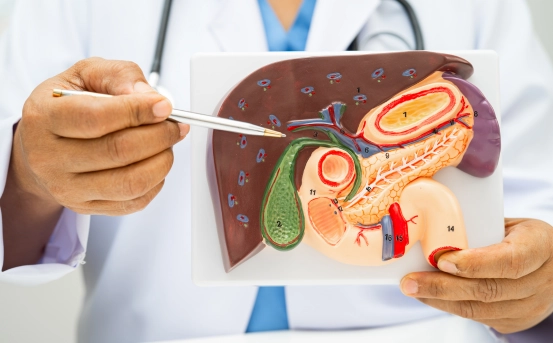
Trauma surgery is a specialized field of medicine focused on the treatment of injuries caused by impact, accidents, violence, or other critical situations. It deals with life-threatening conditions that require immediate and often complex surgical intervention. Whether it’s a high-speed car crash, a gunshot wound, a serious fall, or a workplace accident, trauma surgeons are the frontline responders in hospitals when seconds count. Understanding of the what is trauma surgery
Trauma surgery exists within the broader category of emergency medicine, but it stands out due to its intense focus on physical injuries that require surgical management. These surgeons are highly trained to make rapid decisions and act quickly to stabilize and save lives. Their role begins at the moment a severely injured patient enters the emergency room and continues through surgery, recovery, and rehabilitation.
What is Trauma Surgery?
Trauma surgeons are not just surgeons in the traditional sense; they are crisis managers and leaders in chaotic, high-pressure environments. They work as part of a trauma team, often alongside emergency physicians, anesthesiologists, radiologists, orthopedic surgeons, and nurses. The trauma surgeon leads the team in assessing the patient’s condition, prioritizing injuries, and deciding on the most effective and immediate treatment plan.
The first goal is to assess the severity of the injury using methods such as physical examination, diagnostic imaging, and trauma scoring systems. Common types of injuries include internal bleeding, fractured bones, organ damage, and brain injuries. The trauma surgeon decides whether surgery is necessary right away or if other stabilization measures are needed first.
In many cases, multiple injuries occur simultaneously. This is referred to as polytrauma. Trauma surgeons are trained to think fast and act decisively to treat the most life-threatening injuries first. This process is known as “triage” and is a critical part of trauma care.
Where Trauma Surgeons Work
Most trauma surgeons work in large hospitals or specialized trauma centers that are equipped to handle complex emergencies. These facilities are often categorized by level (Level I, II, III, IV) based on the resources and specialties available. Level I trauma centers offer the highest level of care, including 24/7 access to trauma surgeons, advanced surgical suites, and comprehensive rehabilitation services.
Trauma surgeons typically have demanding schedules and are on call to respond at any hour. Trauma doesn’t follow a timetable, and emergencies can happen at any time of the day or night. As a result, trauma surgeons often work long, irregular hours and must be ready to jump into action at a moment’s notice.
Common Procedures in Trauma Surgery
The range of procedures trauma surgeons perform is vast. They may need to operate on the chest, abdomen, pelvis, limbs, or even the brain in emergency situations. Some of the most common trauma surgeries include:
- Exploratory laparotomy :- To identify and treat internal bleeding or organ damage in the abdomen.
- Thoracotomy :- Emergency surgery to access the chest cavity, often required in cases of severe chest trauma.
- Craniotomy :- Performed in collaboration with neurosurgeons for head trauma involving brain injuries
- Orthopedic procedures :- To repair broken bones and stabilize fractures.
- Vascular surgery :- To repair damaged blood vessels and restore blood flow.
In addition to surgery, trauma surgeons play a major role in post-operative care, monitoring patients for complications such as infection, organ failure, or internal bleeding.
Training to Become a Trauma Surgeon
Becoming a trauma surgeon requires years of intense education and training. The path typically includes:
- Undergraduate degree (usually in a science-related field)
- Medical school (four years)General surgery residency (five to seven years)
- Trauma surgery or surgical critical care fellowship (one to two years)
This long road ensures that trauma surgeons are fully equipped to handle the most complex emergencies with confidence and competence. Many trauma surgeons also gain expertise in surgical critical care, which enables them to care for critically ill patients in the ICU after surgery.
The Psychological Side of Trauma Surgery
Working in trauma surgery isn’t just physically demanding; it’s emotionally and mentally intense. Trauma surgeons deal with patients who are on the brink of life and death. They must often deliver bad news to families, make ethical decisions under pressure, and cope with the stress of high mortality rates.
For this reason, resilience and emotional intelligence are critical traits for trauma surgeons. Many trauma centers offer peer support and counseling services to help surgeons and staff cope with the psychological burden of the job.
The Importance of Trauma Systems
Modern trauma care is not just about the surgeon—it’s about the system. Many countries and regions have developed organized trauma systems that coordinate ambulance services, emergency departments, and trauma centers to provide faster, more effective care.
These systems are designed to ensure that the right patient gets to the right hospital at the right time. Studies have shown that organized trauma systems significantly reduce mortality and improve outcomes, especially when trauma surgeons are available 24/7.
Trauma Surgery and Public Health
Trauma is a major public health issue worldwide. It is one of the leading causes of death among people under the age of 45, especially from car accidents, falls, and violence. Trauma surgery plays a key role in addressing this burden.
In addition to their work in the hospital, many trauma surgeons are involved in research and advocacy efforts to prevent injury and improve trauma care systems. They study patterns of injury, help design safer cars and buildings, and promote policies like seatbelt laws and gun safety regulations.
The Future of Trauma Surgery
Advancements in technology are continuously shaping the future of trauma surgery. Innovations like portable ultrasound, robotic surgery, and improved blood-clotting agents are helping trauma surgeons work faster and more effectively. Telemedicine is also being used to provide expert guidance in remote areas where trauma specialists are not readily available.
Furthermore, ongoing research in trauma care is leading to new techniques in wound management, pain control, and recovery. The integration of artificial intelligence and machine learning may eventually aid in triage decisions and diagnosis, especially in high-volume emergency settings.
Conclusion
Trauma surgery is a vital medical specialty dedicated to saving lives in the most urgent and extreme conditions. These highly trained surgeons respond to serious injuries with speed, skill, and composure, often making split-second decisions that mean the difference between life and death. Though the work is demanding and emotionally charged, trauma surgeons play a central role in emergency medicine and public health, providing critical care when people need it most.
Whether it’s a car crash, a fall, or a violent incident, trauma surgery ensures that those affected receive the expert care they need, exactly when they need it.