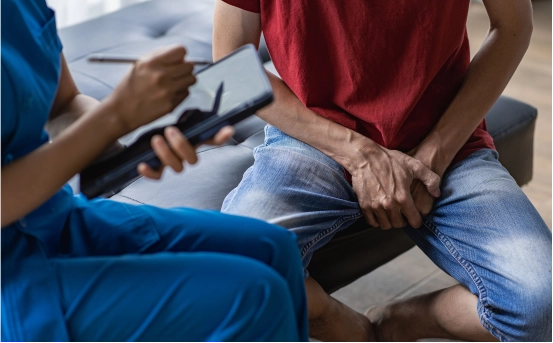
Testicular health is a critical yet often overlooked aspect of men’s overall well-being. While men commonly pay attention to their cardiovascular health, diet, or fitness, testicular care often falls low on the priority list. However, regular testicular self-examination (TSE) is one of the easiest, quickest, and most effective ways to monitor your health and detect early signs of abnormalities, including testicular cancer.
Testicular health is just as important as any other aspect of your physical well-being. One of the simplest and most effective ways to monitor it is by performing a testicular self-examination (TSE) regularly. This small, private habit can have a big impact, especially when it comes to detecting testicular cancer, which is the most common cancer among young men between the ages of 15 and 40.
What Is Testicular Self Examination?
Testicular self-examination is a simple process in which a man examines his own testicles to identify any changes in size, shape, or texture. Typically performed after a warm shower or bath (when the scrotum is relaxed), the examination involves gently rolling each testicle between the thumb and fingers to check for lumps, swelling, or unusual hardness.
It takes less than five minutes and can make a huge difference in identifying issues early when they’re easier to treat.
Benefits of Testicular
-
Early Detection of Testicular Cancer :- The most important benefit of regular testicular self-exams is early detection of testicular cancer, one of the most common cancers among men aged 15 to 40. Although it’s relatively rare compared to other cancers, it’s also one of the most treatable especially when caught early.
By performing monthly self-exams, men can notice any new lumps or growths quickly. Most testicular cancers are first detected by the individual rather than a doctor. Early-stage testicular cancer often presents as a painless lump or swelling, and catching it early can lead to nearly a 95% cure rate with prompt treatment.
-
Increases Body Awareness and Confidence :- Self-examinations foster a stronger connection with your own body. Knowing what “normal” feels like helps you identify when something feels “off.” This kind of body literacy builds confidence and encourages a proactive approach to personal health.
Instead of feeling anxious or unsure, men who regularly perform self-exams are more likely to recognize subtle changes and seek medical advice without hesitation. This body-awareness is not just useful for testicular health it can also help men become more aware of other potential health concerns.
-
Reduces Fear and Stigma :- There is often a stigma around discussing male reproductive health, especially topics like testicular cancer or erectile issues. Encouraging men to regularly examine themselves not only promotes better physical health but also helps reduce embarrassment and fear associated with the topic.
The more comfortable men become with talking about and caring for their reproductive health, the more likely they are to seek timely medical help. This shift in attitude can also positively influence peers, partners, and younger men to prioritize their health too.
-
Supports Timely Medical Intervention :- Many men avoid or delay going to the doctor for minor health concerns, assuming the problem will go away. However, this habit can be dangerous, especially when dealing with testicular abnormalities.
By regularly checking the testicles, any unusual signs like lumps, tenderness, firmness, or a heavy feeling in the scrotum can prompt a quicker visit to a healthcare professional. Whether the issue is serious or not, early medical consultation improves the chances of accurate diagnosis and timely treatment.
-
Helps Detect Non Cancerous Conditions :- While testicular cancer is the most discussed condition associated with TSE, there are other non-cancerous testicular issues that a self-exam may uncover. These include
-
Varicoceles :- Enlarged veins within the scrotum, similar to varicose veins.
-
Hydroceles :- Fluid-filled sacs surrounding the testicle.
-
Epididymal cysts :- Painless lumps caused by fluid accumulation.
-
Infections :- Such as epididymitis or orchitis, which cause pain, swelling, or discomfort.
Identifying these issues early through self-examination allows for more effective and less invasive treatment options.
-
-
Easy, Inexpensive, and Non Invasive :- One of the best aspects of testicular self-examination is that it’s free, painless, and easy to perform. Unlike many diagnostic tests or health screenings that require appointments or lab work, a TSE can be done in the privacy of your own home without any equipment.
This accessibility makes it an ideal habit for men of all ages. Once you learn the correct technique, it becomes second nature just like brushing your teeth or exercising.
-
Empowers Men to Take Control of Their Health :- Practicing testicular self-exams teaches men to take ownership of their health. In a world where men often avoid doctor visits or feel pressured to “tough it out,” a simple five-minute exam can be a quiet yet powerful act of self-care.
It encourages men to take responsibility, stay informed, and communicate openly with healthcare providers when necessary. This empowerment can lead to broader health benefits as men become more open to other forms of screening and preventive care.
How Often Should You Do a Testicular Self Exam?
Healthcare professionals recommend performing a testicular self-exam once a month. Doing it regularly helps you recognize what’s normal and identify anything unusual early on.
The best time to perform it is during or right after a warm shower or bath. Warm water relaxes the scrotal skin, making it easier to feel and detect any abnormalities.
When Should You See a Doctor?
After a self-exam, if you notice any of the following, you should see a healthcare professional
-
A lump on either testicle
-
Swelling or enlargement of a testicle
-
A dull ache in the lower abdomen or groin
-
A feeling of heaviness in the scrotum
-
Sudden collection of fluid in the scrotum
-
Pain or discomfort in a testicle or the scrotum
Remember, not every lump or change is cancerous but it’s always safer to get it checked out.
Conclusion
Testicular self examination is a simple, quick, and vital habit that every man should adopt. From detecting cancer early to understanding your body better, the benefits are both physical and psychological. This small act, done once a month, can literally save your life.