Introduction
Corns and calluses are among the most common foot problems affecting people of all ages. While they may seem harmless at first, they can become painful, uncomfortable, and disruptive to daily activities if left untreated. In most cases, simple lifestyle changes and non-surgical treatments help reduce symptoms. However, Causes of corns and calluses surgery and when it become chronic, infected, or severely painful, surgery may be recommended.
What Are Corns and Calluses?
Corns and calluses form when the skin tries to protect itself from constant pressure, friction, or rubbing.
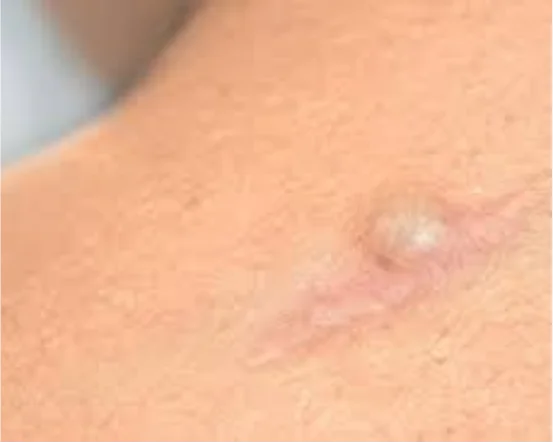
- Calluses are thick, rough skin patches that commonly appear on the soles of the feet or palms.
- Corns are smaller, deeper, and usually painful. They often develop on the toes, especially on areas that experience repeated pressure from footwear.
Though not dangerous, they can cause extreme discomfort, difficulty walking, and even complications in diabetic patients. Understanding the causes is the first step to effective prevention.
Causes of Corns and Calluses
Below are the most common reasons people develop corns and calluses:
- Ill-Fitting Footwear :- This is the number one cause. Tight shoes, high heels, and hard-material footwear increase pressure on certain areas of the feet. When the toes are constantly squeezed, corns begin to form on top or between the toes.
Loose shoes can also cause friction because the foot keeps sliding back and forth inside the footwear. Over time, this repeated rubbing forms calluses.
Common triggers include:
- Narrow or pointed-toe shoes
- High heels
- Shoes without padding
- Footwear worn without socks
Wearing comfortable, well-fitted shoes with proper cushioning can significantly reduce the risk.
- . Repetitive Friction and Pressure :- Activities that involve repeated pressure on the feet can cause thickened skin to develop. Whether from walking long distances, running, or standing for long hours, the skin responds by building extra layers for protection.
This is why corns and calluses are commonly seen in:
- Athletes
- Teachers
- Retail workers
- Construction workers
- People who stand or walk extensively
Over time, the skin thickens more deeply, causing discomfort and sometimes pain.
- Foot Deformities :- Structural foot problems can increase pressure on specific parts of the feet, leading to corns and calluses. Some deformities make certain areas rub against shoes more frequently, which speeds up skin hardening.
Common deformities include:
- Bunions
- Hammertoes
- Flat feet (fallen arches)
- High arches
- Toe deformities caused by arthritis
In these cases, treating the underlying deformity may be necessary to prevent recurring corns and calluses.
- Lack of Moisture in the Skin ;- Dry skin lacks elasticity and tends to harden faster when exposed to friction. People who have naturally dry skin or who live in dry climates are more prone to developing calluses, especially on the heels. If not moisturized regularly, dry skin cracks easily, increasing the risk of painful corns or even infection.
- Walking Barefoot or Wearing Thin-Soled Footwear :- Walking barefoot, especially on hard surfaces, increases friction on the skin. Similarly, thin-soled footwear or sandals without arch support cause excess pressure on the heels and balls of the feet. This habit is common in warmer countries, making corns and calluses a widespread problem among younger and older adults.
- Abnormal Gait or Walking Style :- Sometimes, the way a person walks can put excess pressure on one part of the foot. This could be due to:
- Previous injuries
- Spine alignment issues
- Uneven leg length
- Poor posture
The pressure imbalance triggers thickened skin, leading to stubborn corns and calluses that may require medical attention.
When Is Corns and Calluses Surgery Needed?
Surgery is not always the first line of treatment, but it may be recommended when:
- Pain becomes severe and constant :- If walking becomes difficult despite home treatments and medical care, surgery may be required to remove the hardened tissue or correct underlying deformities.
- Corns keep returning even after treatment :- Recurrent corns often indicate structural foot issues that only surgery can correct.
- Corns become infected :- Infection is a serious complication, especially for diabetics. Surgical removal may be necessary to prevent further damage.
- here is a foot deformity causing friction :- Procedures like correcting hammertoes or bunions help prevent future corns and provide long-term relief.
- Non-surgical treatments have failed :- If padding, footwear changes, medications, and regular trimming do not help, surgery becomes a viable option.
How Corns and Calluses Surgery Works
Depending on the cause, the surgeon may:
- Remove the thickened skin layers
- Correct bone deformity
- Reduce pressure on affected areas
- Realign toe joints for better structure
Most procedures are minimally invasive with quick recovery times.
Conclusion
Corns and calluses are common but manageable. The key is understanding what causes them and addressing the problem early. Most cases improve with proper footwear, skincare, and lifestyle changes. However, if pain becomes severe or persistent, consulting a specialist is essential to avoid complications.
Surgery for corns and calluses is safe, effective, and often recommended only when conservative treatments fail or when a deformity is present. Early diagnosis and the right care can help restore comfort and prevent future issues.