Introduction
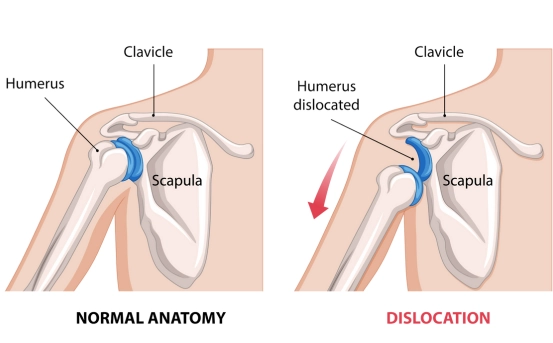
Shoulder dislocation is one of the most common joint injuries, especially among athletes, fitness enthusiasts, and individuals involved in heavy physical work. When the shoulder frequently slips out of its socket or when there is significant tissue or bone damage, surgery becomes the safest and most effective treatment option. Understanding the different types of shoulder dislocation surgeries can help patients make informed decisions and feel more confident before undergoing the procedure.
Why Shoulder Dislocation Sometimes Requires Surgery
The shoulder joint is extremely flexible but also highly unstable. When it dislocates, the ligaments, labrum (cartilage), or bone can get damaged.
While many dislocations can be treated with physiotherapy, repeated episodes or severe injuries usually require surgical correction to restore stability and prevent long-term complications.
The most common reasons for surgery include:
- Recurring shoulder dislocations
- Severe ligament or labrum tears
- Bone fractures around the shoulder joint
- Failure of non-surgical treatments
- High activity level (athletes, laborers)
Types of Shoulder Dislocation Surgery
Below are the most widely used and medically recommended surgical procedures for shoulder instability and recurrent dislocation.
- Arthroscopic Bankart Repair :- Arthroscopic Bankart Repair is one of the most common surgical treatments for anterior shoulder dislocation, especially in young and active individuals.
When the shoulder dislocates, the labrum often tears from the front of the glenoid (socket) called a Bankart lesion. This tear causes repeated instability.
How the surgery works :- Surgeons use a minimally invasive arthroscope (small camera) and tiny surgical instruments to reattach the torn labrum to the bone using anchors and sutures. No large incision is required.
Benefits :-
- Minimally invasive
- Less pain
- Faster recovery
- Minimal scarring
- Reduced risk of future dislocations
This procedure is ideal for patients with soft-tissue tears without major bone loss.
- Open Bankart Repair :- In some cases, especially where previous arthroscopic surgery has failed or the tissue quality is poor, an open Bankart repair is recommended.
This procedure involves a slightly larger incision, allowing the surgeon to directly visualize and repair the damaged labrum and ligaments.
Why choose open surgery?
- Stronger and more durable repair for severe instability
- Better control for complex cases
- Preferred for contact-sport athletes (boxing, wrestling, kabaddi, rugby)
Although recovery is slightly longer than arthroscopic repair, the success rate in complex conditions is very high.
- Latarjet Procedure :- The Latarjet surgery is recommended for patients with bone loss, especially when repeated dislocations have worn away part of the shoulder socket.
How it works :- A piece of bone from the coracoid process (front of the shoulder blade) is transferred and fixed to the front of the glenoid socket. This new bone block acts as:
- A physical barrier preventing dislocation
- A point for strengthening ligament attachment
- A natural sling due to the attached muscle
Best suited for:-
- Patients with significant bone loss
- Failed previous surgeries
- Recurrent dislocation in contact athletes
The Latarjet is known for its high stability and extremely low recurrence rates.
- Remplissage Procedure :- The Remplissage is often done along with a Bankart repair. It is used when a Hill-Sachs lesion (a compression fracture at the back of the humeral head) contributes to shoulder instability.
How it works :- The surgeon fills the defect in the humeral head by attaching the posterior capsule and rotator cuff tendon to prevent the bone from engaging with the socket rim.
Advantages :-
- Reduces risk of recurrent dislocation
- Enhances shoulder stability
- Minimally invasive
It is ideal for patients with small to moderate Hill-Sachs lesions.
- Capsular Shift or Capsulorrhaphy :- Patients with naturally loose ligaments or multidirectional shoulder instability benefit most from this surgery.
How it works :- The surgeon tightens the overstretched joint capsule, reducing excessive movement of the shoulder joint.
Best for:-
- Genetic ligament laxity
- Recurrent dislocations in multiple directions
- Athletes with hypermobility
This procedure offers excellent long-term stability in cases of generalized looseness.
Which Shoulder Surgery is Best for You?
Choosing the right procedure depends on:
- Type of dislocation (anterior, posterior, multidirectional)
- Number of previous dislocations
- Labrum and ligament condition
- Bone loss severity
- Age and activity level
- Strength of surrounding muscles
Orthopaedic surgeons typically recommend imaging such as MRI or CT scans to determine the best surgical plan.
Recovery After Shoulder Dislocation Surgery
While recovery varies from person to person and depends on the type of surgery, a general timeline looks like this:
- 0–4 weeks :- Arm supported in a sling; gentle motion exercises
- 4–8 weeks :- Increase in movement and flexibility
- 8–12 weeks :- Strengthening exercises
- 3–6 months: – Gradual return to sports or heavy activity
Strict physiotherapy and adherence to the surgeon’s instructions ensure long-lasting results.
Conclusion
Understanding the different types of shoulder dislocation surgeries helps patients make informed healthcare decisions. Whether it is an arthroscopic Bankart repair, open repair, Latarjet, Remplissage, or capsular shift, the goal remains the same—to restore stability, prevent future dislocations, and improve overall shoulder function.