Introduction
Abscesses are painful, pus-filled infections that can develop anywhere in the body under the skin, in organs, or even deeper tissues. When an abscess becomes large, persistent, or unresponsive to antibiotics, abscess surgery becomes essential for proper drainage and healing. Understanding the different types of abscess surgery helps patients make informed decisions and seek timely medical care.
What Is an Abscess and Why Surgery Is Needed?
An abscess forms when bacteria enter the body, leading to a collection of pus surrounded by inflamed tissue. While some small abscesses may drain on their own, many require medical intervention.
Surgery is required when:
- The abscess becomes large or painful
- It does not respond to antibiotics
- It is located deep inside the body
- It threatens nearby organs or tissues
- It keeps recurring
Abscess surgery focuses on removing the pus, reducing inflammation, and preventing the infection from spreading.
Types of Abscess Surgery
Below are the most common and medically recommended types of abscess surgeries depending on the location, severity, and type of infection.
- Incision and Drainage (I&D) – The Most Common Procedure
Incision and Drainage is the standard and most widely used surgery for abscess treatment. It is typically performed for skin abscesses, boils, and small soft-tissue infections.
How It Works
A surgeon makes a small cut on the abscess to let the pus drain out completely. The cavity is then cleaned and sometimes packed with sterile gauze to promote healing.
When It Is Used
- Skin abscesses
- Boils or carbuncles
- Breast abscesses
- Underarm or groin abscesses
Benefits
- Quick procedure (10–20 minutes)
- Immediate pain relief
- Fast recovery
Incision and Drainage is often performed under local anesthesia and has a high success rate.
- Needle Aspiration – A Less Invasive Option
Needle Aspiration is a minimally invasive method where a fine needle is inserted into the abscess to remove the pus. It is less painful and often preferred for abscesses that require precision.
When It Is Recommended
- Deep abscesses
- Facial abscesses
- Breast abscesses
- Abscesses near sensitive structures (nerves, blood vessels)
Benefits
- Minimally invasive
- Less scarring
- Can be repeated if necessary
This procedure is commonly guided using ultrasound to ensure accuracy.
- Surgical Debridement – For Severe or Chronic Abscesses
Some abscesses become large, spread into surrounding tissue, or fail to heal even after drainage. In such cases, surgical debridement becomes necessary.
How It Works
The surgeon removes:
- Dead tissue
- Infected tissue
- Contaminated skin
- Pockets of pus
When It Is Used
- Diabetic foot abscesses
- Necrotizing infections
- Severe skin infections
- Deep tissue or muscle abscesses
Benefits
- Prevents infectio
- Promotes proper healing
- Reduces risk of recurrence
Debridement is often performed under general anesthesia and requires hospital stay depending on severity.
- Marsupialization – For Cyst and Gland-Related Abscesses
Marsupialization is a special kind of surgery performed when a gland becomes repeatedly infected, leading to recurrent abscesses.
Common Areas
- Bartholin gland abscess (common in women)
- Pilonidal abscess near the tailbone
How It Works
The abscess cavity is opened and sutured in a way that allows continuous drainage, preventing reopening or fluid buildup.
Benefits
- Reduces recurrence
- Proper long-term drainage
- Less postoperative pain
Marsupialization is recommended when standard drainage is not enough to stop repeat infections.
- Laparoscopic Abscess Drainage – For Internal or Organ Abscesses
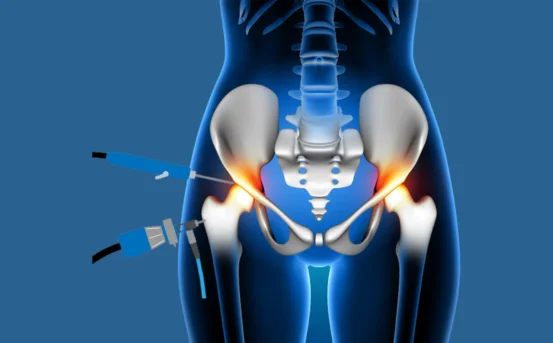
Internal abscesses, such as those in the abdomen or pelvis, often require laparoscopic drainage. This is a modern surgical approach using tiny incisions and a camera.
Types of Internal Abscesses Treated
- Liver abscess
- Pelvic abscess
- Appendiceal abscess
- Intra-abdominal abscess
- Pancreatic abscess
How It Works
A surgeon uses laparoscopic instruments to reach the abscess, drain it, and rinse the area to prevent re-infection.
Benefits
- Minimal scars
- Faster recovery
- High precision
- Reduced postoperative pain
Laparoscopic drainage is typically performed under general anesthesia and requires short hospitalization.
Post-Surgery Care for Abscess Treatment
No matter which type of abscess surgery is performed, proper after-care is essential.
Important After-Care Tips
- Keep the area clean and dry
- Take prescribed antibiotics regularly
- Avoid squeezing or touching the area
- Follow dressing change instructions
- Watch for signs of recurrence (redness, swelling, fever)
Timely follow-ups ensure proper healing and prevent complications.
Conclusion
Abscess surgeries vary depending on the severity, type, and location of the infection. From simple Incision and Drainage for skin abscesses to advanced laparoscopic techniques for internal infections, each method has a specific purpose and benefit. Early diagnosis and the right treatment approach can prevent complications and speed up recovery. If you suspect an abscess or experience persistent pain, swelling, or fever, seeking medical care early is the best step toward safe and effective treatment.