





Introduction
Abscesses are painful, pus-filled pockets that form when the body tries to fight off an infection. While many abscesses respond to antibiotics, some become severe enough to require abscess surgery for complete removal and healing. Understanding the causes of abscess surgery formation can help you recognize symptoms early and seek timely medical care.
What Is an Abscess?
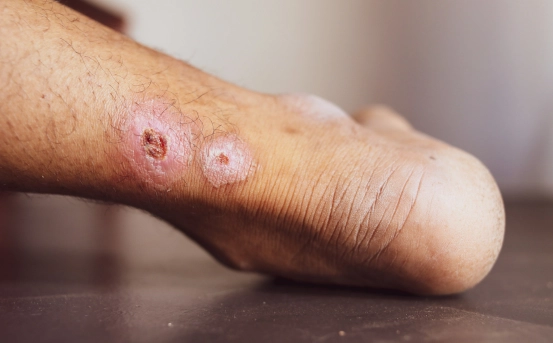
An abscess is a localized collection of pus caused by a bacterial infection. It may appear on the skin (superficial abscess) or inside the body (internal abscess). Pus contains dead white blood cells, bacteria, and tissue debris this buildup leads to swelling, redness, warmth, and intense pain. When an abscess is deep, large, or does not respond to medications, doctors recommend abscess drainage surgery to prevent complications.
How an Abscess Forms
Your body’s immune system reacts when bacteria invade tissues. White blood cells move to the affected area and begin fighting the infection. As the cells die and mix with bacteria and damaged tissue, a thick collection of fluid forms this becomes an abscess. If the pus cannot drain naturally, the abscess enlarges and becomes more painful, often requiring surgical intervention.
Major Causes of Abscesses That May Lead to Surgery
Below are the most common triggers behind abscess formation. Understanding these causes helps in early treatment and prevention.
- Bacterial Infections :- The most frequent cause of abscesses is a bacterial infection, especially due to Staphylococcus aureus, including MRSA strains. These bacteria enter the body through:
- Cuts, scratches, or insect bites
- Contaminated surfaces
- Poor hygiene practices
When the infection grows rapidly, a painful lump forms. Large or stubborn bacterial abscesses often need incision and drainage surgery for complete relief.
- Blocked Sweat or Sebaceous Glands :- Blocked skin glands trap oil, sweat, or dirt under the skin. Common sites include the armpits, groin, scalp, or back. When blockage combines with bacteria, it triggers inflammation and abscess formation. These abscesses may not heal with medication alone, especially if the gland remains clogged. Surgical drainage ensures the pus is removed and pressure is relieved.
- Ingrown Hair :- Ingrown hairs occur when hair grows back into the skin rather than out of it. It happens due to:
- Shaving or waxing
- Wearing tight clothing
- Curly hair growing patterns
The trapped hair irritates the skin, allowing bacteria to multiply and form an abscess. When painful swelling and pus buildup become severe, minor abscess surgery is required to remove the trapped hair and infected tissue.
- Poor Immunity :- People with weakened immune systems are more prone to abscesses. Conditions that increase this risk include:
- Diabetes
- HIV/AIDS
- Cancer treatments
- Chronic steroid use
Their bodies cannot fight infections effectively, leading to recurrent or deep abscesses. Surgery ensures complete drainage, reducing chances of complications like spread of infection or sepsis.
- Injury or Trauma :- Any injury that breaks the skin burns, punctures, or bruises can introduce bacteria into deeper layers. If trapped under the skin, these microorganisms multiply rapidly, forming a painful abscess. When the abscess grows larger, becomes warm, or shows signs of spreading, surgical drainage becomes essential.
- Poor Hygiene :- Not maintaining proper hygiene can allow bacteria, sweat, and dirt to accumulate on the skin. This creates a favorable environment for infections and abscess formation, especially in moist areas like the groin, underarms, and buttocks. If neglected, these abscesses can become large and extremely painful, often needing surgical removal.
- Underlying Medical Conditions :- Certain health issues make abscesses more common or more severe, such as:
- Crohn’s disease (causing anal abscesses)
- Pilonidal sinus disease (leading to abscess near the tailbone)
- Obesity (skin folds trap sweat and bacteria)
These chronic conditions often result in abscesses that keep returning. Surgery not only drains the pus but may also remove infected tracts to prevent recurrence.
When Does an Abscess Require Surgery?
Doctors may recommend abscess surgery when:
- The abscess is larger than 1–2 cm
- Antibiotics are not working
- The pain is severe
- The abscess is deep or spreading
- Fever or systemic infection is present
- The abscess keeps returning
Surgery involves making a small incision, draining the pus, cleaning the cavity, and sometimes placing a small dressing to keep the area open for healing.
Symptoms You Should Never Ignore
Seek medical help immediately if you notice:
- Swelling that becomes bigger over days
- Intense, throbbing pain
- Redness spreading around the lump
- Fever or chills
- Warmth over the swollen area
- Pus discharge with foul smell
Ignoring these signs may lead to complications like tissue destruction or bloodstream infection.
How to Prevent Abscess Formation
While not all abscesses are preventable, you can reduce your risk by:
- Maintaining proper hygiene daily
- Avoiding squeezing or popping lumps
- Keeping wounds clean and covered
- Shaving gently or trimming instead
- Managing diabetes or other health conditions
- Wearing loose, breathable clothing
Quick action reduces severity and prevents the need for surgery.
Conclusion
Abscesses can develop due to various causes like bacterial infections, blocked glands, ingrown hair, weak immunity, or underlying diseases. While some respond well to basic treatment, others become severe enough to require abscess surgery for proper healing.
Recognizing the symptoms early and seeking medical attention can prevent complications and reduce recovery time.
If you suspect an abscess, don’t delay get expert advice and ensure safe, effective treatment.



