Introduction
Botox surgery, commonly known as Botox treatment or Botox injections, is a widely used medical and cosmetic procedure that involves injecting botulinum toxin into specific muscles or glands. Botox works by temporarily blocking nerve signals, which helps relax overactive muscles or reduce gland activity. Although it is often associated with cosmetic treatments, Botox is also used for several medical conditions.
Botox procedures are minimally invasive, do not require hospital admission, and usually take only a short time to perform. Depending on the purpose of treatment, Botox can be used to smooth wrinkles, reduce excessive sweating, relieve muscle stiffness, and manage certain neurological and pain-related conditions. Understanding the different types of Botox surgery helps patients choose the right treatment based on their needs and expectations.
Types of Botox Surgery
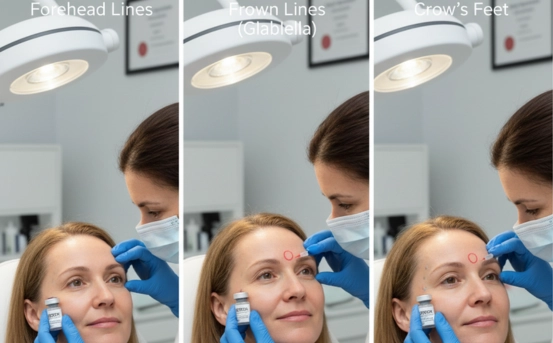
- Cosmetic Botox Surgery :- Cosmetic Botox surgery is the most common type and is primarily used to improve facial appearance. In this procedure, Botox is injected into specific facial muscles to reduce the appearance of fine lines and wrinkles caused by repeated muscle movements. This type of Botox treatment is commonly used for forehead lines, frown lines between the eyebrows, crow’s feet around the eyes, and wrinkles around the mouth and neck. The procedure relaxes facial muscles, resulting in smoother and younger-looking skin. Cosmetic Botox does not permanently alter facial structure, and the effects typically last for three to six months. Cosmetic Botox surgery is popular due to its quick procedure time, minimal discomfort, and no downtime. Patients can usually return to normal activities on the same day.
- Therapeutic Botox Surgery :- Therapeutic Botox surgery is used to treat various medical conditions related to muscle overactivity and nerve disorders. Botox helps relieve symptoms by reducing muscle stiffness and abnormal contractions. This type of treatment is commonly used for conditions such as muscle spasms, cervical dystonia, spasticity after stroke, and facial muscle disorders like hemifacial spasm. Botox injections help improve muscle control, reduce pain, and enhance mobility. Therapeutic Botox is also used in patients with cerebral palsy to manage muscle tightness. The dosage and injection sites are carefully planned based on the condition being treated. Therapeutic Botox requires regular follow-up sessions to maintain long-term benefits.
- Botox for Excessive Sweating (Hyperhidrosis) :- Botox surgery is highly effective in treating excessive sweating, a condition known as hyperhidrosis. In this procedure, Botox is injected into areas such as the underarms, palms, soles, or face. Botox works by blocking the nerves that stimulate sweat glands, significantly reducing sweat production. This treatment is especially beneficial for individuals who do not respond to antiperspirants or medications. The results typically last for six to nine months, providing long-term relief from excessive sweating. Hyperhidrosis Botox surgery improves confidence, comfort, and quality of life with minimal side effects.
- Botox for Migraine Treatment :- Botox surgery is also used as a preventive treatment for chronic migraines. It is recommended for patients who experience frequent migraine headaches that do not respond well to conventional medications. In this procedure, Botox is injected into specific areas of the head, neck, and shoulders. Botox helps by blocking pain signals and relaxing muscle tension that contributes to migraine attacks. Patients often experience a reduction in the frequency, severity, and duration of migraines. Migraine Botox treatment is usually repeated every three months and has shown significant improvement in long-term migraine management.
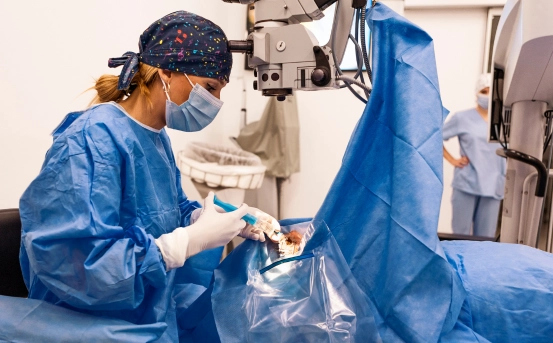
- Botox for Eye Disorders :- Botox surgery is commonly used in ophthalmology to treat various eye-related conditions. It is effective for disorders such as blepharospasm, which causes uncontrollable blinking, and strabismus, where the eyes are misaligned. By relaxing the affected eye muscles, Botox helps restore better eye coordination and reduces discomfort. This type of Botox surgery is performed with precision to ensure accurate muscle targeting. The effects are temporary, and repeat treatments may be required.
- Botox for Jaw and Teeth Grinding Disorders :- Botox surgery is increasingly used to treat jaw-related conditions such as bruxism (teeth grinding) and temporomandibular joint (TMJ) disorders. In this treatment, Botox is injected into the jaw muscles to reduce excessive muscle activity. Patients experience relief from jaw pain, headaches, and facial tension. Botox also helps prevent damage to teeth caused by grinding. This type of treatment improves comfort and jaw function without the need for invasive procedures.
- Botox for Bladder Disorders :- Botox surgery is used in urology to treat overactive bladder and urinary incontinence. Botox is injected into the bladder muscle to reduce involuntary contractions. This treatment helps patients regain better bladder control, reduce urgency, and improve quality of life. The effects last for several months, and repeat injections may be needed for ongoing management.
Conclusion
Botox surgery is a versatile and effective treatment used for both cosmetic enhancement and medical management. From smoothing facial wrinkles and reducing excessive sweating to treating migraines, muscle disorders, bladder conditions, and eye problems, Botox offers a wide range of benefits.
Each type of Botox surgery is tailored to the patient’s specific condition and goals. Although the procedure is minimally invasive, it should always be performed by a qualified and experienced medical professional to ensure safety and optimal results. With proper evaluation and follow-up care, Botox surgery can significantly improve appearance, comfort, and overall quality of life.