Introduction
Botox has become one of the most popular cosmetic procedures worldwide, loved for its ability to smooth wrinkles, lift facial features, and give a refreshed, youthful appearance without surgery. While it is generally safe when performed by trained professionals, many people still feel unsure about what happens after the injections. Understanding the symptoms of Botox treatment can help you stay prepared, manage your expectations, and recognize what is normal and what might require medical attention.
What to Expect After Botox: Common Symptoms
Most people experience very mild and short-term symptoms after Botox treatment. These symptoms are usually not a cause for concern and disappear within a few hours to a couple of days.
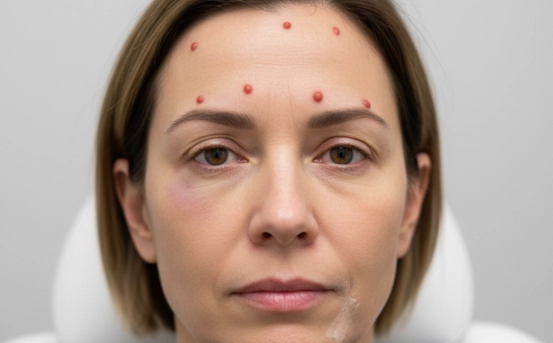
- Mild Redness and Swelling :- Right after the injection, it’s common to notice slight redness or swelling around the treated area. This happens because the needle pricks the skin and creates a small inflammatory response. These tiny bumps usually flatten within 20–30 minutes and are nothing to worry about.
- Pinpoint Bruising :- Some patients may notice small bruises, especially if they have sensitive skin or take blood-thinning medications. These bruises are harmless and fade within a week. Applying a cold compress can help reduce their appearance.
- Temporary Headache :- A mild headache is one of the most reported symptoms after Botox, especially when injected around the forehead. It generally lasts a few hours to a day. Staying hydrated and avoiding intense physical activity can ease this discomfort.
- Feeling of Tightness:- You might feel like the injected area is “tight” or “heavy,” especially in the forehead. This sensation is temporary and usually disappears as the Botox settles into the muscles over the next 3–7 days.
- Slight Tenderness :- Some tenderness around the injection sites is normal and expected. Avoid massaging the treated area, as it can cause the Botox to spread to nearby muscles.
Less Common Symptoms of Botox Treatment
Although uncommon, a few people may experience the following symptoms. They are still generally mild and temporary.
- Dry Eyes or Excessive Tearing :- If Botox is injected around the crow’s feet or under-eye area, minor changes in tear production can occur. Lubricating eye drops usually help.
- Flu-Like Symptoms :- Fatigue, slight fever, or body aches may occur in very rare cases. These symptoms typically go away within 24–48 hours.
- Asymmetry or Uneven Results :- If the Botox settles differently on each side, you may notice temporary unevenness. This can easily be corrected with a touch-up session after two weeks.
- Droopy Eyelid (Ptosis) :- This is rare and usually happens when Botox spreads to nearby muscles. Ptosis is temporary and resolves within a few weeks. Choosing an experienced injector greatly reduces this risk.
Rare But Serious Botox Symptoms
Serious complications are extremely uncommon, especially when the treatment is done by certified specialists. However, it’s important to be aware of the warning signs.
- Difficulty Swallowing or Speaking :- If Botox affects unintended muscles, it can temporarily impact swallowing or speaking. This is rare and usually seen in high-dose medical Botox treatments rather than cosmetic procedures.
- Allergic Reactions :- Symptoms like rash, severe itching, or shortness of breath may indicate an allergic reaction. Although extremely unlikely, immediate medical attention is required.
- Muscle Weakness Away From Injection Site :- Botox works by relaxing specific muscles, but in rare cases, it can affect surrounding muscles. If you notice unexplained weakness in other parts of your face or body, speak to your doctor immediately.
How Long Do Botox Symptoms Last?
Most symptoms such as redness, swelling, tenderness, or mild headaches last a few hours to one day. Bruising may last 3–7 days, while rare symptoms like eyelid drooping may take 2–4 weeks to resolve. Botox results usually become noticeable within 3–5 days, with full effects visible by day 10–14, and the benefits lasting 3–6 months.
Who Is More Likely to Experience Symptoms?
While Botox is safe for most adults, some individuals may be more prone to symptoms, including:
- People with very sensitive skin
- Those taking blood thinners
- Individuals with neuromuscular disorders
- People who rub the treated area too soon after injections
- Those who engage in heavy exercise immediately after treatment
Following your provider’s after-care instructions greatly reduces these risks.
How to Minimize Symptoms After Botox Treatment
Here are simple tips to help you recover smoothly:
- Avoid touching or massaging the treated area for 24 hours
- Stay upright for at least 4 hours
- Avoid alcohol before and after the treatment
- Skip workouts for 24 hours
- Apply ice packs gently for swelling or bruising
- Stay hydrated and avoid excessive heat exposure
Following these steps ensures faster healing and better results.
When to See a Doctor?
Seek medical assistance if you experience:
- Severe pain or swelling
- Difficulty breathing or swallowing
- Vision changes
- Persistent drooping of eyelids
- Allergic reactions like rash or itching
These symptoms are extremely rare, but timely medical care is important.
Conclusion
Botox is a trusted, minimally invasive cosmetic treatment that offers amazing anti-aging results when done correctly. Most symptoms are mild, temporary, and completely normal. The key to a safe and smooth experience lies in choosing an experienced specialist, understanding post-treatment care, and knowing what to expect.