Introduction
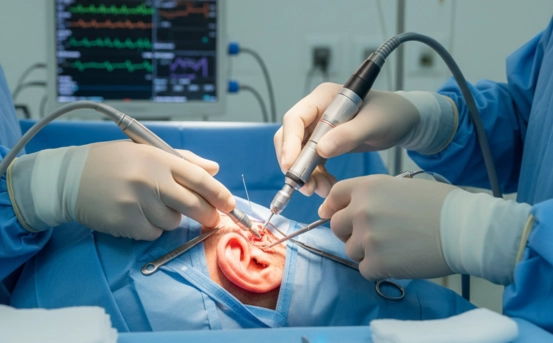
Mastoidectomy is a crucial ear surgery performed to remove infected air cells from the mastoid bone, typically caused by chronic infections or cholesteatoma. But before patients undergo this procedure, an accurate diagnosis is essential. Understanding how does the diagnosis of mastoidectomy surgery helps patients make informed decisions and encourages early treatment.
Understanding Mastoid Diseases That Require Diagnosis
The mastoid bone is located behind the ear and contains air-filled spaces that help maintain ear pressure. When infections—especially chronic otitis media—spread into this bone, it may lead to inflammation, pus formation, or abnormal tissue growth such as cholesteatoma. These conditions can erode bone, damage hearing structures, and sometimes spread to the brain.
If symptoms persist or worsen despite medication, doctors consider further evaluation to confirm whether mastoidectomy surgery is required. Diagnosis helps determine the severity of the disease, the extent of infection, and the most suitable surgical approach.
Common Symptoms That Require Diagnostic Evaluation
Patients are typically recommended for diagnostic testing when they experience persistent or severe symptoms such as:
- Continuous or recurrent ear discharge
- Persistent ear pain or pressure
- Hearing loss or muffled sounds
- Foul-smelling ear discharge
- Dizziness or balance issues
- Frequent ear infections
- Headache, swelling, or tenderness behind the ear
These symptoms may indicate mastoiditis or a deeper infection that needs imaging and evaluation.
Step-by-Step Diagnosis of Mastoidectomy Surgery
Accurate diagnosis plays a vital role in planning mastoidectomy surgery. ENT specialists follow a structured process to assess the condition of the mastoid and middle ear. The main diagnostic steps include:
- Detailed Medical History and Symptom Review :- The first step is understanding the patient’s medical background. The doctor asks questions like:
- How long have you had ear discharge or pain?
- Have you been treated for ear infections before?
- Are you experiencing hearing loss or dizziness?
- Have you used antibiotics or other treatments?
This helps identify whether the infection is acute, chronic, or resistant to previous treatment.
- Physical Examination of the Ear (Otoscopy) :- Using an otoscope, the ENT specialist examines the ear canal and eardrum. This examination helps detect:
- Swelling or redness
- Fluid or pus
- Eardrum perforation
- Signs of cholesteatoma (abnormal skin growth)
If the eardrum appears retracted, damaged, or blocked by debris, it may indicate deeper infection requiring imaging.
- Hearing Tests (Audiometry and Tympanometry) :- Hearing tests provide vital information about how the infection has affected the middle and inner ear.
- Audiometry :- Measures hearing levels and determines whether the loss is conductive, sensorineural, or mixed.
- Tympanometry :- Evaluates eardrum movement and detects fluid, infection, or pressure issues behind the eardrum.
These results help surgeons understand whether hearing structures may need repair during mastoidectomy.
- Imaging Tests – CT Scan or MRI :- Imaging is the most important part of diagnosing mastoid disease.
- CT Scan of the Temporal Bone :- This is the gold standard for mastoid evaluation. A CT scan shows mage to middle ear bones (ossicles)
- MRI Scan :- Used in complex cases to detect soft-tissue involvement, brain complications, or residual cholesteatoma.
Imaging helps the doctor choose the type of mastoidectomy—simple, canal wall up, canal wall down, or radical.
- Lab Tests and Culture of Ear Discharge :- If the infection produces persistent discharge, doctors may collect a sample and send it for:
- Bacterial culture
- Fungal culture
- Sensitivity testing
These results help identify the specific organism causing the infection and guide antibiotic treatment before or after surgery.
Why Accurate Diagnosis Is Crucial Before Mastoidectomy Surgery
A well-defined diagnosis ensures that the surgery is needed and performed correctly. Some key benefits include:
- Detecting the exact cause and severity of mastoid disease
- Identifying hidden complications like cholesteatoma
- Planning the surgical technique based on imaging
- Reducing surgical risks and preventing recurrence
- Improving hearing outcomes and overall ear function
Without proper diagnosis, the infection can spread to the inner ear, facial nerve, or even the brain—making surgery more complex and dangerous.
When Do Doctors Recommend Mastoidectomy?
After reviewing all test results, mastoidectomy may be recommended if:
- Infection does not improve with antibiotics
- Cholesteatoma is present
- Recurrent ear infections damage the mastoid bone
- Hearing is progressively worsening
- There is a risk of complications like brain abscess or meningitis
Early detection and timely surgery prevent long-term damage.
Conclusion
Diagnosing mastoidectomy surgery involves a combination of physical examination, hearing tests, imaging studies, and laboratory evaluations. These steps help ENT specialists understand the extent of mastoid infection and determine the best surgical plan. If you’re experiencing continuous ear symptoms—especially discharge, pain, or hearing loss—consult an ENT specialist promptly. Early diagnosis not only reduces complications but also ensures a faster and smoother recovery after surgery.