Introduction
Cerebrovascular disorders affect the blood vessels of the brain, often leading to life-threatening conditions such as stroke, brain aneurysm, and blocked or weakened arteries. When these conditions become severe or unmanageable through medication alone, what is Cerebrovascular Disorder Surgery and how it becomes essential to restore normal blood flow to the brain and prevent permanent neurological damage.
What Is Cerebrovascular Disorder?
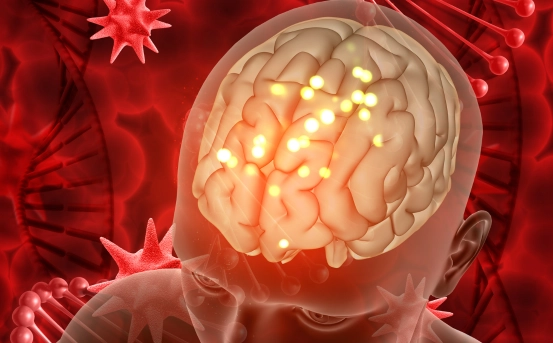
Before understanding the surgery, it’s important to know what cerebrovascular disorders are. These disorders involve any disease that affects the blood supply to the brain, usually due to narrowing, blockage, rupture, or malformation of blood vessels. When blood flow is disrupted, brain cells begin to die within minutes, which is why timely diagnosis and surgical intervention are crucial.
Common cerebrovascular disorders include:
- Ischemic stroke (caused by blocked arteries)
- Hemorrhagic stroke (caused by ruptured blood vessels)
- Brain aneurysms
- Arteriovenous malformations (AVMs)
- Carotid artery disease
- Cavernous malformations
For many of these conditions, surgery becomes a life-saving option.
What Is Cerebrovascular Disorder Surgery?
Cerebrovascular Disorder Surgery refers to a group of surgical procedures designed to restore healthy blood flow to the brain, repair damaged vessels, prevent bleeding, and remove blockages or abnormal formations. The primary goal of these surgeries is to prevent stroke, stop ongoing bleeding, and protect the brain from permanent damage.
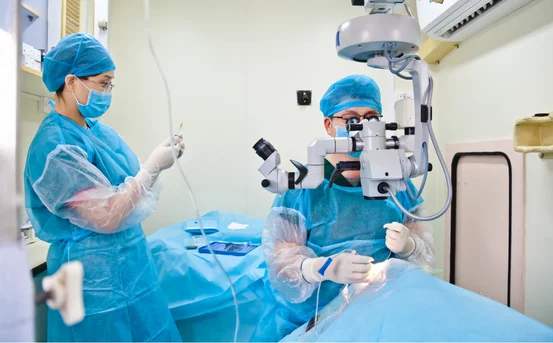
Depending on the specific disorder, the surgery can be minimally invasive (using catheters inserted through an artery) or open surgical (traditional brain surgery). Skilled neurosurgeons decide the approach based on the patient’s condition, age, severity, and overall health.
Why Is Cerebrovascular Surgery Needed?
Doctors recommend this surgery when:
- Medication alone is not effective
- There is a high risk of stroke
- The patient has a ruptured aneurysm
- There is a dangerous AVM causing seizures or bleeding
- A major artery is blocked or severely narrowed
- There is ongoing bleeding inside the brain
Without timely surgery, these conditions can lead to paralysis, cognitive impairment, coma, or death. Surgical treatment reduces risks and improves long-term brain function.
Types of Cerebrovascular Disorder Surgeries
Different cerebrovascular issues require different surgical interventions. Some of the most commonly performed procedures include:
- 1. Carotid Endarterectomy :- This surgery removes fatty plaque deposits from the carotid artery (in the neck) to restore blood flow to the brain. It is one of the most effective surgeries for preventing future strokes in high-risk patients.
- 2. Aneurysm Clipping :- A small metal clip is surgically placed at the base of a brain aneurysm to stop blood flow into it, preventing rupture and bleeding.
- 3. Endovascular Coiling :- A minimally invasive alternative to clipping, where soft platinum coils are inserted into the aneurysm through a catheter to seal it from inside.
- 4. AVM Resection :- For arteriovenous malformations, surgeons remove the abnormal tangle of blood vessels to prevent rupture and stroke.
- 5. Mechanical Thrombectomy :- A catheter-based procedure performed during acute ischemic stroke to physically remove a blood clot from a blocked artery.
- 6. Bypass Surgery (EC–IC Bypass) :- Similar to a heart bypass, this procedure reroutes blood flow around a blocked or damaged artery in the brain.
How Is the Surgery Performed?
The method depends on the chosen procedure, but generally, the steps may include:
- Diagnosis and Imaging
MRI, CT scan, angiography, and Dopplers are done to map blood flow. - Anesthesia
Most surgeries are performed under general anesthesia to ensure patient comfort and safety. - Surgical Approach
- Open surgery: A small part of the skull is opened to access the brain.
- Endovascular surgery: Catheters are inserted through the groin or wrist artery.
- Repair / Removal / Rerouting
The surgeon clips, coils, removes, or bypasses the affected vessels. - Monitoring
Blood flow and brain activity are monitored in real time. - Closure and Recovery
Once the repair is complete, the incision is closed, and the patient is moved to ICU for observation.
Benefits of Cerebrovascular Disorder Surgery
- Prevents life-threatening stroke
- Reduces risk of brain hemorrhage
- Improves memory, speech, and mobility in many cases
- Restores blood flow and oxygen to the brain
- Provides long-term protection from neurological disability
- Enhances overall quality of life
For many patients, surgery is the reason they avoid paralysis or permanent brain damage.
Risks and Complications
Like any major surgery, this procedure also carries risks, such as:
- Stroke during surgery
- Infection
- Blood clots
- Reaction to anesthesia
- Bleeding
- Temporary or permanent neurological issues
However, with an experienced neurosurgical team, the chances of complications are much lower.
Recovery After Cerebrovascular Surgery
Recovery depends on the type of procedure and patient health. Most patients experience:
- ICU monitoring for 24–72 hours
- Weakness or fatigue
- Headache or mild discomfort
- Gradual improvement in brain function
Full recovery can take weeks to months, along with physiotherapy, speech therapy, or cognitive rehabilitation if needed. Doctors also recommend lifestyle changes such as quitting smoking, managing blood pressure, controlling diabetes, and regular follow-ups.
Conclusion
Cerebrovascular Disorder Surgery plays a crucial role in preventing life-threatening complications and ensuring healthy brain function. When performed promptly by expert neurosurgeons, it significantly improves survival rates, reduces stroke risk, and enhances the patient’s quality of life.