Introduction
Cerebrovascular disorders, including strokes, aneurysms, and vascular malformations, are critical conditions affecting the brain’s blood vessels. Early diagnosis and proper surgical intervention can prevent severe complications, improve recovery, and save lives. Understanding how cerebrovascular disorders are diagnosed is crucial for patients, caregivers, and healthcare professionals.
What is a Cerebrovascular Disorder?
A cerebrovascular disorder occurs when blood flow to the brain is interrupted or impaired, leading to neurological damage. Common types include:
- Ischemic stroke: Caused by blocked arteries reducing blood supply.
- Hemorrhagic stroke: Occurs when blood vessels rupture in the brain.
- Aneurysms: Weak spots in arteries that can bulge and rupture.
- Arteriovenous malformations (AVMs): Abnormal connections between arteries and veins.
Early detection is critical, as timely surgical intervention can prevent permanent brain damage, reduce complications, and enhance recovery outcomes.
Key Steps in Diagnosing of Cerebrovascular Disorders Surgery
Diagnosing cerebrovascular disorders involves a combination of clinical assessment, imaging studies, and laboratory investigations. Here’s an overview of the typical process:
- Clinical Evaluation :- The initial assessment is performed by a neurologist or neurosurgeon and includes:
- Medical history review: Identifying risk factors like hypertension, diabetes, smoking, or family history of stroke.
- Symptom evaluation: Checking for sudden weakness, numbness, speech difficulty, vision problems, or severe headache.
- Neurological examination: Testing reflexes, coordination, balance, and cognitive function.
This evaluation helps determine the severity, possible location, and type of cerebrovascular disorder.
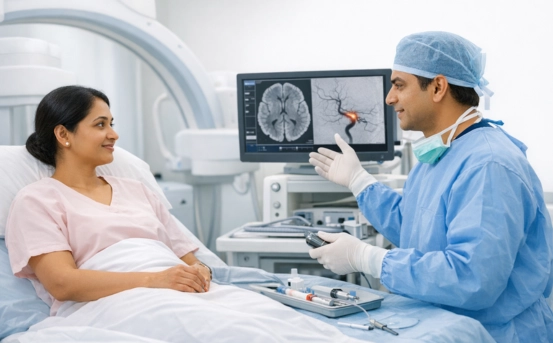
- Imaging Studies :- Advanced imaging is crucial for accurate diagnosis and surgical planning. Common imaging techniques include:
- CT Scan (Computed Tomography): Quickly identifies bleeding, infarcts, or brain swelling.
- MRI (Magnetic Resonance Imaging): Provides detailed images of brain tissue and blood vessels.
- CT Angiography and MR Angiography: Visualizes cerebral arteries and detects blockages or aneurysms.
- Digital Subtraction Angiography (DSA): Considered the gold standard for evaluating complex vascular malformations.
- Laboratory Tests :- Blood tests play an essential role in diagnosis by identifying underlying risk factors:
- Complete blood count (CBC): Detects anemia or infection.
- Coagulation profile: Checks blood clotting function.
- Lipid profile: Assesses cholesterol levels, a key stroke risk factor.
- Blood glucose levels: Identifies diabetes, which increases vascular risk.
- Risk Assessment and Pre-Surgical Evaluation :- Once a diagnosis is established, the healthcare team evaluates the patient’s suitability for surgery. This includes:
- Cardiac evaluation: Ensuring heart function is adequate for anesthesia.
- Blood pressure and vital monitoring: Optimizing conditions for surgical intervention.
- Neurological risk assessment: Predicting surgical outcomes and possible complications.
Surgical Options for Cerebrovascular Disorders
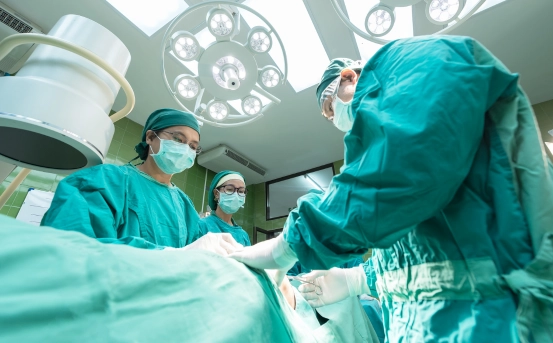
Surgery is often necessary for severe cerebrovascular conditions to restore blood flow, repair damaged vessels, or prevent further neurological damage. Common surgical interventions include:
- Craniotomy for aneurysm clipping: Open surgery to prevent rupture.
- Endovascular coiling: Minimally invasive technique to seal aneurysms.
- AVM resection: Removing abnormal blood vessel tangles.
- Carotid endarterectomy: Removing arterial blockages to prevent stroke.
The choice of procedure depends on the patient’s condition, disorder type, and overall health.
Post-Diagnosis Care and Recovery
Post-surgical care is essential for optimal recovery and reducing recurrence risk. Key aspects include:
- Rehabilitation therapy: Physical, occupational, and speech therapy to restore neurological function.
- Medication management: Blood thinners, antihypertensives, and cholesterol-lowering drugs.
- Lifestyle modification: Healthy diet, regular exercise, and quitting smoking.
- Regular follow-up: Monitoring for complications or recurrence through imaging and check-ups.
Why Early Diagnosis is Crucial
Early detection of cerebrovascular disorders significantly improves outcomes:
- Reduces risk of permanent neurological deficits.
- Enables timely surgical intervention.
- Minimizes long-term complications like paralysis or cognitive impairment.
- Enhances overall survival and quality of life.
Patients with risk factors such as high blood pressure, diabetes, high cholesterol, or family history of stroke should undergo routine screening and neurological evaluations.
Conclusion
Diagnosing cerebrovascular disorders is a complex but critical process involving clinical assessment, imaging, laboratory tests, and risk evaluation. Timely and accurate diagnosis ensures appropriate surgical intervention, improving recovery rates and saving lives. If you or a loved one experience symptoms like sudden weakness, severe headache, or speech difficulties, consult a neurosurgeon immediately. Early action can make a life-saving difference.