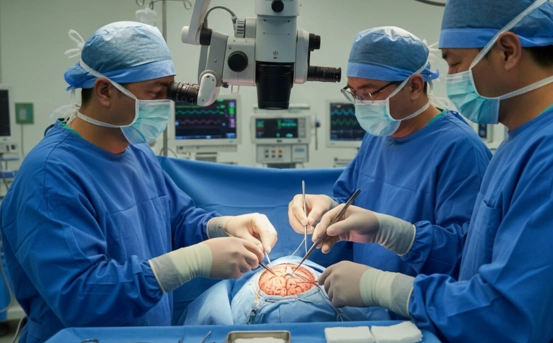
Introduction
Cerebrovascular disorders are a group of conditions that affect the blood vessels in the brain, leading to serious health issues such as strokes, aneurysms, and vascular malformations. Timely diagnosis and effective treatment are critical to prevent long-term damage and improve patient outcomes. One of the most effective approaches to manage severe cerebrovascular disorders is surgical intervention. Here will explores the various surgical treatments of cerebrovascular disorders surgery, their benefits, risks, and post-operative care.
What is a Cerebrovascular Disorder?
Cerebrovascular disorders occur when the blood supply to the brain is disrupted, either due to a blockage, rupture, or structural abnormality in the blood vessels. Common cerebrovascular conditions include:
- Ischemic stroke: Caused by a blockage in the arteries supplying blood to the brain.
- Hemorrhagic stroke: Caused by bleeding within the brain due to a ruptured blood vessel.
- Aneurysm: A weakened area in a blood vessel wall that can bulge and potentially rupture.
- Arteriovenous malformation (AVM): An abnormal tangle of blood vessels connecting arteries and veins.
Early treatment is essential to minimize brain damage, improve recovery, and enhance the quality of life.
When is Surgery Needed for Cerebrovascular Disorders?
Surgery is considered for cerebrovascular disorders when:
- Medications are ineffective in preventing stroke or reducing risk.
- There is a significant risk of rupture in an aneurysm.
- The patient suffers from recurrent transient ischemic attacks (TIAs).
- There is a presence of large or symptomatic AVMs.
- Blockages or narrowing of blood vessels are causing severe neurological deficits.
In such cases, surgical intervention helps restore proper blood flow, prevent further brain damage, and reduce life-threatening complications.
Types of Cerebrovascular Disorder Surgeries
Several surgical options are available depending on the type and severity of the disorder:
- Craniotomy and Clipping :- This procedure involves opening the skull to access the affected blood vessel and placing a clip to prevent aneurysm rupture. It is highly effective for treating certain types of aneurysms.
- Endovascular Coiling :- A minimally invasive technique where a catheter is used to insert coils into an aneurysm, causing it to clot and preventing rupture. It is a preferred option for patients unsuitable for open surgery.
- Carotid Endarterectomy :- This surgery removes plaque buildup in the carotid artery to restore normal blood flow to the brain, significantly reducing the risk of stroke in high-risk patients.
- Bypass Surgery :- Used in cases of severe arterial blockages, this surgery creates an alternate pathway for blood to reach the brain. It is often combined with other treatments to improve outcomes.
- Stereotactic Radiosurgery :- A non-invasive procedure using targeted radiation to treat AVMs and small vascular malformations, reducing the risk of bleeding without traditional surgery.
Benefits of Cerebrovascular Disorder Surgery
Surgical intervention for cerebrovascular disorders offers multiple benefits:
- Reduced risk of stroke: Surgery can prevent recurrent strokes and minimize brain damage.
- Improved neurological function: Restoring blood flow helps recover lost motor and cognitive abilities.
- Prevention of life-threatening complications: Timely surgery reduces the risk of aneurysm rupture or severe hemorrhage.
- Long-term quality of life: Successful surgery allows patients to return to normal daily activities.
- Minimally invasive options available: Techniques like endovascular coiling ensure shorter recovery times and lower complications.
Risks and Considerations
While surgical treatment can be life-saving, it is not without risks. Possible complications include:
- Infection at the surgical site
- Bleeding during or after surgery
- Stroke or neurological deficits
- Reaction to anesthesia
- Blood clots or vessel damage
A thorough pre-operative evaluation by a neurosurgeon helps assess risks and determine the most suitable surgical approach for each patient.
Post-Surgery Recovery and Care
Recovery after cerebrovascular disorder surgery depends on the type of procedure and patient’s overall health. Key aspects of post-surgery care include:
- Monitoring neurological function : Regular assessments help track recovery progress.
- Medication management : Blood thinners or anti-platelet drugs may be prescribed to prevent clot formation.
- Rehabilitation therapy : Physical, occupational, and speech therapy can help restore lost functions.
- Lifestyle modification : Healthy diet, regular exercise, and blood pressure control reduce recurrence risks.
- Follow-up imaging : MRI or CT scans ensure proper healing and detect any complications early.
Conclusion
Surgery for cerebrovascular disorders plays a vital role in preventing strokes, reducing neurological damage, and improving patient outcomes. Advances in neurosurgical techniques, including minimally invasive procedures, have made treatment safer and more effective than ever before. Timely intervention, guided by expert neurosurgeons, combined with post-operative care and rehabilitation, can significantly enhance recovery and quality of life for patients.