Introduction
Back pain has become one of the most common health issues affecting people of all age groups. Whether it’s due to long working hours, poor posture, heavy lifting, or underlying spinal conditions, the discomfort can interfere with your daily life. Spinal Decompression Therapy has emerged as one of the most effective non-surgical treatments for people looking to relieve chronic back pain, improve mobility, and avoid invasive procedures.
What Is Spinal Decompression Therapy?
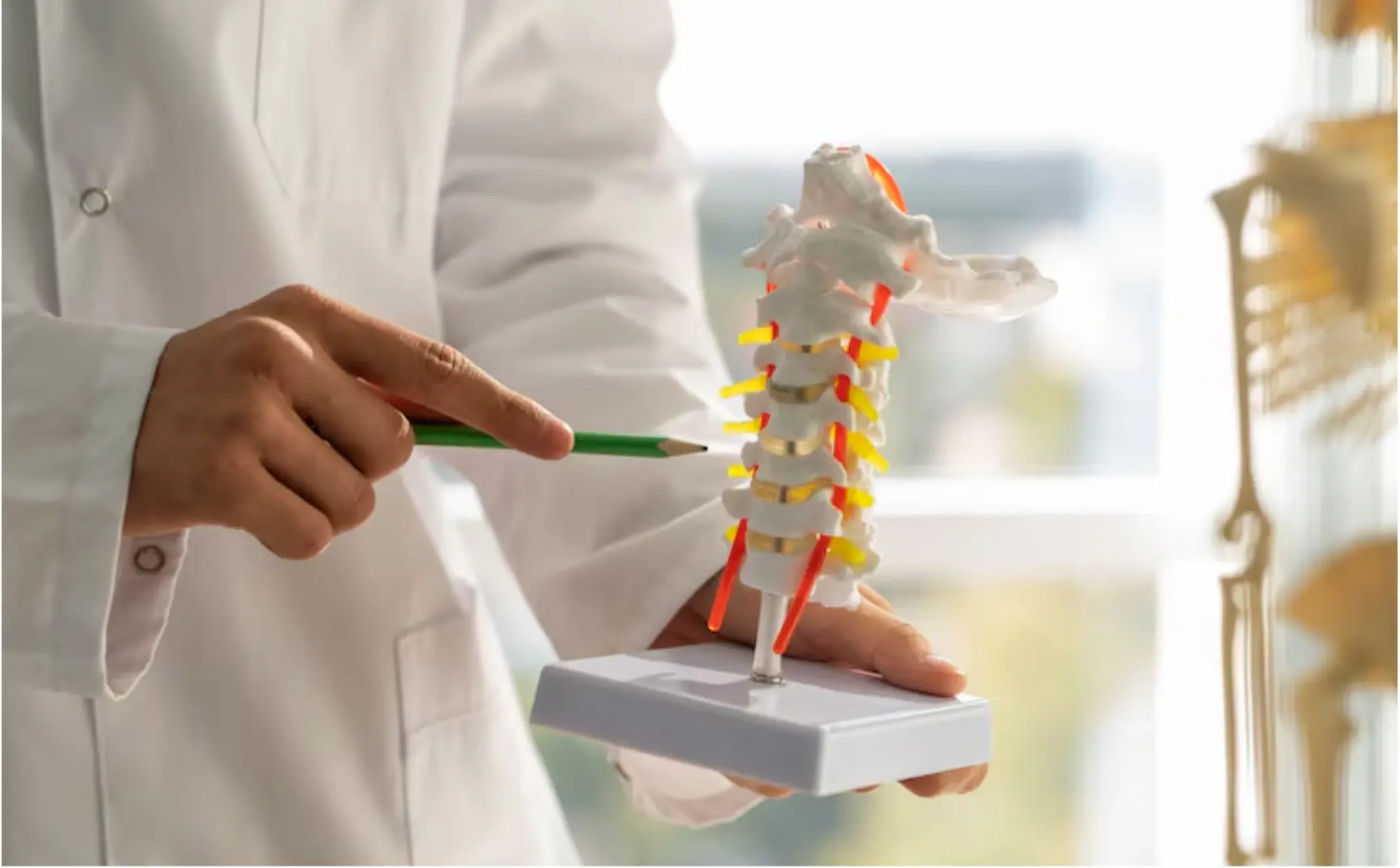
Spinal Decompression Therapy is a non-surgical, traction-based treatment designed to relieve pressure on the spine. It works by gently stretching the spine to create negative pressure within the spinal discs. This pressure allows bulging or herniated discs to retract, reduces nerve compression, and promotes the healing of damaged tissues.
Unlike surgery, spinal decompression is painless, safe, and involves no downtime. It is performed using a specialized decompression table controlled by computer-assisted technology to ensure precision and comfort.
How Does Spinal Decompression Therapy Work?
During the therapy session, you lie on a motorized decompression table. The machine slowly stretches and relaxes the spine in a controlled manner. This process helps
- Create space between vertebrae :- This reduces pressure on discs and nerves.
- Improve blood circulation :- Better circulation delivers oxygen and nutrients to injured spinal tissues.
- Promote disc rehydration :- As pressure decreases, the discs absorb more fluids, supporting natural healing.
- Reduce inflammation :- Spinal decompression helps relax muscles and reduce swelling around compressed nerves.
Each session typically lasts 20–45 minutes, and most patients require 15–25 sessions depending on the severity of their condition.
Treatment of Spinal Decompression Therapy
Spinal Decompression Therapy is recommended for a wide range of spine-related conditions, such as
- Herniated or Bulging Discs :- It helps retract the disc material back into place and reduces nerve compression.
- Degenerative Disc Disease :- The therapy improves disc hydration and reduces pain caused by wear and tear.
- Sciatica :- By relieving pressure on the sciatic nerve, patients experience reduced leg pain and numbness.
- Spinal Stenosis :- Decompression creates additional space within the spinal canal to ease nerve pressure.
- Facet Joint Syndrome :- Gentle stretching reduces joint compression and improves mobility.
- Chronic Neck and Lower Back Pain :- For people with long-term pain, decompression offers a safe, non-invasive treatment option.
Benefits of Spinal Decompression Therapy
This therapy offers several long-lasting advantages for patients
- Non-Surgical and Drug-Free :- It is ideal for patients who want to avoid surgery, injections, or long-term medication use.
- Helps Reverse Disc Pressure :- Negative pressure inside the spinal disc helps pull back herniated material and promotes natural healing.
- Improves Mobility and Function :- Most patients experience noticeable improvement in flexibility, posture, and overall movement.
- Long-Term Pain Relief :- By addressing the root cause of pain rather than just symptoms, decompression offers lasting relief.
- Safe and Comfortable :- Computer-controlled systems ensure safety and accuracy, making the treatment comfortable for all age groups.
Who Is a Good Candidate for Spinal Decompression Therapy?
You may be a good candidate if you experience
- Chronic low back or neck pain
- Pain radiating to the arms or legs
- Numbness or tingling due to nerve compression
- Disc injuries from sports, accidents, or aging
- Difficulty performing daily tasks due to stiffness or pain
However, spinal decompression may not be recommended for individuals with severe osteoporosis, spinal fractures, infections, advanced arthritis, or pregnant women. Always consult a spine specialist before starting treatment.
What to Expect During Treatment
Most patients find decompression therapy relaxing. You will feel a gentle pulling sensation as the spine stretches. There is no pain, and some even fall asleep during the session.
A complete treatment plan may include
- Spinal decompression sessions
- Physiotherapy exercises
- Heat therapy
- Cold therapy
- Chiropractic adjustments
- Lifestyle and posture corrections
This combination ensures faster healing and better long-term results.
Why Choose Spinal Decompression Over Surgery?
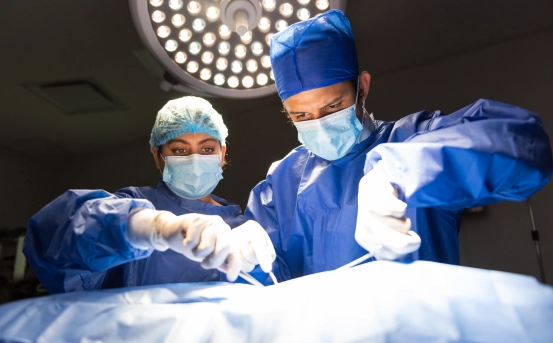
While surgery is necessary in some cases, many patients prefer decompression therapy because it
- Avoids surgical risks and long recovery time
- Is cost-effective
- Provides long-term relief for many spine conditions
- Does not require hospitalization
- Uses natural healing techniques
For many individuals, spinal decompression is the perfect middle ground effective like surgery but safe like physical therapy.
Conclusion
Spinal Decompression Therapy is one of the most advanced, non-invasive solutions for chronic back and neck pain. Whether you’re dealing with herniated discs, sciatica, degenerative disc disease, or persistent stiffness, this treatment can significantly improve your quality of life.