Introduction
Childbirth is one of the most significant moments in a woman’s life. Expecting mothers often wonder about the best mode of delivery for them and their baby. Two primary types of delivery exist: natural (vaginal) delivery and cesarean section (C-section) delivery. While both methods are safe when medically indicated, determining which is suitable depends on several diagnostic factors. Understanding these factors can help expectant mothers and their healthcare providers make informed decisions.
What is Natural and C-Section Delivery?
Natural delivery refers to the process of giving birth vaginally without surgical intervention. It is often considered the standard method for childbirth, allowing for quicker postpartum recovery, and immediate skin-to-skin contact with the newborn.
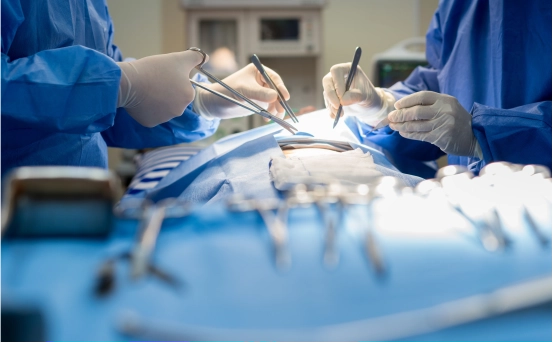
C-section delivery, on the other hand, is a surgical procedure where the baby is delivered through incisions in the mother’s abdomen and uterus. This method is usually recommended when vaginal delivery poses risks to the mother or baby, or in cases of complicated pregnancies.
Factors That Determine the Mode of Delivery
Choosing between natural delivery and C-section delivery is not arbitrary. Obstetricians rely on several diagnostic assessments to determine the safest option
- Maternal Health Conditions :- Certain maternal health issues can necessitate a C-section. Conditions such as high blood pressure (preeclampsia), diabetes, heart disease, or infections (like HIV or active genital herpes) may make vaginal delivery risky. A thorough prenatal evaluation helps doctors diagnose these conditions early.
- Fetal Health and Position :- The baby’s health and positioning in the womb significantly influence the delivery method. Ultrasound scans can detect
- Breech or transverse position – When the baby is not head-down, natural delivery may be challenging or risky.
- Fetal distress – Signs of low oxygen or abnormal heart rate may prompt an emergency C-section.
- Multiple pregnancies – Twins or triplets may require surgical delivery for safety.
- Placental and Umbilical Factors :- Placenta previa (where the placenta covers the cervix) or a prolapsed umbilical cord can complicate natural delivery. Regular ultrasounds help in early detection of such conditions, guiding the doctor to opt for a C-section if necessary.
- Labor Progress :- Even when a natural delivery is planned, labor may not progress as expected. Prolonged labor, stalled contractions, or failure of the cervix to dilate can be diagnosed during labor, sometimes requiring a switch to C-section for the safety of both mother and baby.
- Previous Obstetric History :- A woman who has had previous C-sections or complicated deliveries may need to consider a repeat C-section. Medical records and past delivery outcomes play a crucial role in diagnosing the safest delivery mode.
Diagnosis of Natural or C-Section Delivery
Healthcare providers use a combination of tools and tests to evaluate the best mode of delivery
- Ultrasound Scans :- Monitor fetal growth, position, and amniotic fluid levels.
- Non-Stress Tests (NST) :- Assess fetal heart rate in response to movement.
- Biophysical Profile (BPP) :- Combines ultrasound and NST to check fetal well-being.
- Maternal Blood Tests :- Identify infections, anemia, or other conditions impacting delivery safety.
- Pelvic Exams :- Determine the size and shape of the pelvis to anticipate natural delivery feasibility.
These diagnostic tools help in anticipating potential complications, ensuring timely interventions, and minimizing risks for both mother and baby.
Benefits of Accurate Diagnosis
Proper diagnosis before and during labor provides multiple benefits
- Enhanced Safety – Reduces risk of complications such as fetal distress or maternal hemorrhage.
- Better Planning – Enables scheduling a C-section if necessary, reducing emergency interventions.
- Improved Outcomes – Ensures both mother and baby have a smoother recovery.
- Emotional Preparedness – Helps mothers understand what to expect, reducing anxiety.
When is C-Section Unavoidable?
While natural delivery is preferred when safe, certain scenarios require mandatory C-sections
- Placenta previa or abruptio placentae.
- Severe fetal distress during labor.
- Large baby (macrosomia) or abnormal presentation.
- Previous uterine surgeries that weaken the uterus.
- Certain maternal medical conditions like severe hypertension or infections.
Preparing for Your Delivery
Expectant mothers should maintain regular prenatal visits, follow medical advice, and discuss delivery plans with their obstetrician. Awareness of personal health factors, fetal health, and potential risks ensures better preparation and informed choices.
Conclusion
The diagnosis of whether a woman will undergo natural delivery or C-section is a continuous, detailed, and medically guided process. From prenatal checkups and ultrasound evaluations to monitoring labour progress and assessing complications, every step ensures that the safest delivery method is chosen.