





Introduction
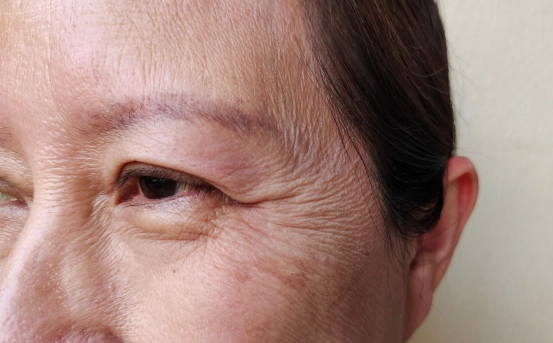
Ptosis, commonly known as “droopy eyelid,” is a condition where the upper eyelid falls to a lower position than normal. While it may appear like a simple cosmetic issue, ptosis can significantly affect vision, eye comfort, and overall facial appearance. It can occur in one eye (unilateral ptosis) or both (bilateral ptosis), and it affects people of all ages from newborns to older adults. Understanding what is ptosis, why it happens, and how it can be treated is essential for maintaining good vision and eye health.
What Is Ptosis?
Ptosis refers to the drooping of the upper eyelid due to weakness, stretching, or malfunction of the muscles responsible for lifting the eyelid. These muscles include the levator palpebrae superioris and Müller’s muscle. When these muscles fail to function properly, the eyelid may sag and partially cover the eye.
The severity of ptosis can vary. In mild cases, the eyelid droops slightly and does not cause visual problems. In more severe cases, the eyelid drops enough to block part of the pupil, interfering with normal vision. People with significant ptosis may tilt their head backward or raise their eyebrows constantly to improve sight.
Types of Ptosis
Understanding the type of ptosis helps determine the right treatment. The main types include
- Congenital Ptosis :- This form is present at birth and usually occurs due to improper development of the levator muscle. Children with congenital ptosis may develop vision issues like amblyopia (lazy eye) if not treated early.
- Acquired Ptosis :- Acquired ptosis develops later in life and can be categorized into
- Aponeurotic Ptosis: The most common type, caused by age-related weakening of the levator muscle tendon.
- Neurogenic Ptosis: Caused by nerve-related problems such as third nerve palsy or Horner’s syndrome.
- Myogenic Ptosis: Occurs due to muscle disorders such as myasthenia gravis or muscular dystrophy.
- Mechanical Ptosis: Happens when the eyelid becomes too heavy to lift due to swelling, scar tissue, or tumors.
- Traumatic Ptosis: Caused by injury to the eyelid muscles or nerve pathways.
What Causes Ptosis?
The causes of ptosis vary widely depending on the type. Common reasons include
- Aging :- Over time, the levator muscle stretches or weakens, leading to gradual eyelid drooping.
- Nerve Damage :- Conditions such as diabetes, stroke, or nerve palsy can affect the nerves controlling the eyelid muscles.
- Eye or Head Trauma :- An injury can damage the eyelid muscles or tendons.
- Medical Conditions :- Diseases like myasthenia gravis or muscular dystrophy interfere with muscle strength and function.
- Previous Eye Surgery :- Cataract or LASIK surgery may stretch the eyelid muscle, resulting in postoperative ptosis.
- Congenital Muscle Disorders :- When the levator muscle does not develop properly, a child may be born with ptosis.
Symptoms of Ptosis
The primary symptom is visible drooping of the eyelid, but other signs may accompany it, such as
- Reduced ability to fully open the eye
- Eye fatigue or strain
- Excessive tearing
- Head tilting or eyebrow raising to see better
- Difficulty reading or performing tasks requiring sharp vision
- In children: delayed vision development or crossed eyes
In severe cases, ptosis can significantly obstruct vision, affecting daily activities and overall quality of life.
How Is Ptosis Diagnosed?
A thorough eye examination is required to determine the cause and severity of ptosis. Diagnosis may include
- Physical Eye Examination :- The ophthalmologist evaluates eyelid height, muscle strength, symmetry, and eye movements.
- Vision Tests :- These tests check for vision obstruction or complications like amblyopia.
- Measurements :- Eyelid measurements such as Marginal Reflex Distance (MRD1) and levator function help plan treatment.
- Neurological Evaluation :- If nerve disorders are suspected, additional neurological tests may be recommended.
- Blood Tests or Imaging :- These may be required to diagnose underlying systemic or muscular disorders.
Treatment Options for Ptosis
Effective treatment depends on the underlying cause and severity. Treatment options include
- Ptosis Surgery :- Surgery is the most common and definitive treatment, especially for moderate to severe cases. Options include
- Levator Resection: Tightening or shortening the levator muscle to lift the eyelid.
- Frontalis Sling Procedure: Connecting the eyelid to the forehead muscle, often used in congenital ptosis or poor levator function.
- Aponeurotic Repair: Reattaching or tightening the stretched tendon responsible for age-related ptosis.
Most surgeries are safe, minimally invasive, and offer long-lasting results.
- Non-Surgical Treatments :- In selected cases, non-surgical approaches may help, such as:
- Ptosis Crutch: A special device attached to glasses to mechanically lift the eyelid.
- Eye drops (Oxymetazoline 0.1%): May temporarily lift the eyelid in mild neurogenic ptosis.
These treatments are usually considered when surgery is not an option or as temporary measures.
Can Ptosis Be Prevented?
While congenital ptosis cannot be prevented, the risk of acquired ptosis can be reduced through
- Protecting the eyes from injury
- Managing medical conditions like diabetes
- Avoiding excessive eye rubbing
- Choosing experienced surgeons for procedures like cataract surgery
- Regular eye check-ups for early detection
Early intervention helps prevent complications such as vision impairment, especially in children.
When Should You See a Doctor?
You should consult an ophthalmologist if you notice
- Sudden or progressive eyelid drooping
- Difficulty keeping the eye open
- Double vision or eye pain
- Drooping affecting daily activities
- Ptosis in a newborn or young child
Prompt evaluation ensures appropriate treatment and prevents long-term vision problems.
Conclusion
Ptosis is more than just a cosmetic concern it is a medical condition that can affect vision, confidence, and quality of life. Whether caused by aging, nerve damage, muscle weakness, trauma, or congenital factors, ptosis can be effectively treated once the underlying cause is identified. With proper diagnosis and treatment, most patients regain normal eyelid function and improved vision.



