Introduction
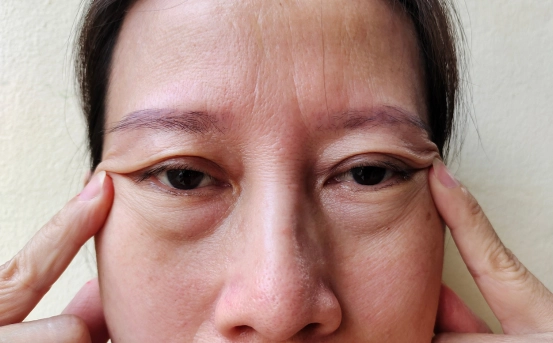
Ptosis, commonly known as eyelid drooping, is a condition in which the upper eyelid falls lower than its normal position. It can affect one or both eyes and may be present at birth or develop later in life. While some people view ptosis as merely a cosmetic concern, it can significantly impact vision, comfort, and confidence. Understanding the causes of ptosis is crucial for early detection and appropriate treatment.
What Is Ptosis?
Ptosis refers to the lowering of the upper eyelid due to weakness, damage, or dysfunction in the muscles, nerves, or structures responsible for lifting the eyelid. The main muscle involved is the levator palpebrae superioris, and its helper muscle, the Müller’s muscle.
Ptosis can be mild, moderate, or severe. In more advanced cases, it may block a portion of the visual field, requiring individuals to tilt their heads back or raise their eyebrows to see properly. Understanding what causes this muscle imbalance or weakness helps determine the right treatment approach.
Major Causes of Ptosis
Ptosis has a wide range of causes from natural aging to neurological disorders. Below are the most common and medically recognized reasons behind eyelid drooping.
- Age-Related Ptosis (Involutional Ptosis) :- The most common cause of ptosis in adults is aging. Over time, the levator muscle can weaken, stretch, or detach from the eyelid, leading to gradual drooping.
Why it happens:
- Natural loss of muscle tone
- Loosened connective tissue
- Repetitive eyelid movement over the years
Age-related ptosis progresses slowly and is usually seen in people over 50. While it may not cause immediate vision problems, it can worsen with time.
- Congenital Ptosis :- When ptosis is present at birth, it is called congenital ptosis. This occurs due to improper development of the levator muscle.
Key features
- One eyelid typically more affected
- Children may adopt a chin-up posture to see clearly
- High risk of lazy eye (amblyopia) if untreated
Early diagnosis and timely treatment are crucial to prevent long-term vision issues.
- Neurogenic Ptosis :- This type of ptosis arises due to nerve problems that disrupt communication between the brain and eyelid muscles.
Common neurological causes include
- Third Cranial Nerve Palsy :- The third nerve controls the levator muscle. Damage due to trauma, aneurysm, diabetes, or stroke can cause sudden, severe ptosis.
- Horner’s Syndrome :- This condition affects the sympathetic nerves supplying the eyelid. Ptosis is usually mild and may be accompanied by pupil constriction and decreased sweating on the affected side.
- Myasthenia Gravis :- An autoimmune condition that leads to muscle fatigue. Ptosis may worsen throughout the day and improve with rest. Neurogenic ptosis often signals an underlying medical issue requiring urgent evaluation.
- Myogenic Ptosis :- Myogenic ptosis occurs when the eyelid muscles themselves are affected by disease.
Common causes include
- Muscular dystrophies
- Chronic Progressive External Ophthalmoplegia (CPEO)
- Oculopharyngeal muscular dystrophy (OPMD)
These conditions weaken the elevator muscle, making it difficult to lift the eyelid fully. Myogenic ptosis usually progresses slowly but tends to affect both eyes.
- Mechanical Ptosis :- In this type, the eyelid droops because something physically weighs it down or restricts its movement.
Potential reasons include
- Eyelid tumors
- Severe eyelid swelling
- Excess skin or fat (dermatochalasis)
- Scarring from injury or surgery
Mechanical ptosis is often accompanied by swelling, heaviness, or discomfort. Removing the underlying obstruction typically improves eyelid position.
- Traumatic Ptosis :- An injury to the eye or surrounding structures can damage the levator muscle or its tendon.
Possible causes
- Blunt trauma
- Eyelid lacerations
- Surgical complications (including cataract surgery)
Traumatic ptosis can develop immediately after injury or gradually over time. Treatment may require surgery depending on the severity of the tissue damage.
- Aponeurotic Ptosis :- Often grouped with age-related ptosis, aponeurotic ptosis occurs when the levator aponeurosis, the tendon-like extension of the levator muscle, becomes stretched or detached.
Causes include
- Habitual eye rubbing
- Long-term use of contact lenses
- Repetitive eyelid pulling (common in some eye conditions)
- Aging and tissue laxity
This is one of the most common types and usually responds well to surgical repair.
- Sudden-Onset Ptosis :- Sudden eyelid drooping should never be ignored. It may result from
- Stroke
- Brain aneurysm
- Severe nerve damage
- Infections like botulism
- Allergic reactions causing eyelid swelling
If ptosis appears suddenly with symptoms like double vision, headache, or difficulty speaking, emergency medical evaluation is essential.
Risk Factors for Developing Ptosis
While anyone can develop ptosis, certain factors increase the likelihood
- Aging
Most common risk factor due to weakening muscles and tissues. - Genetic Predisposition
Family history of congenital ptosis increases risk. - Chronic Eye Rubbing
Common in allergies and can loosen the eyelid structures. - Diabetes or Neuromuscular Disorders
These conditions can lead to nerve-related or muscle-related ptosis. - Previous Eye Surgeries
Procedures like cataract surgery may inadvertently stretch the levator muscle.
Recognizing these risk factors helps in early detection and preventive care.
Symptoms That May Accompany Ptosis
Depending on the underlying cause, ptosis may appear with other symptoms
- Reduced upper field of vision
- Eye strain or fatigue
- Increased tearing
- Difficulty keeping eyes open
- Asymmetrical appearance
- Head tilting or eyebrow lifting for better vision
If you experience these along with eyelid drooping, a comprehensive eye exam is recommended.
How Is the Cause of Ptosis Diagnosed?
Eye specialists use a combination of examinations and tests to identify the underlying cause. These may include
- Eyelid height measurement
- Muscle function tests
- Pupil size evaluation
- Neurological examination
- Imaging tests (MRI or CT scan) for suspected nerve damage
- Blood tests for suspected autoimmune diseases
Correct diagnosis ensures proper treatment planning.
When Should You See a Doctor?
Seek medical attention if
- Ptosis appears suddenly
- It affects your vision
- There is associated pain, headache, or double vision
- The drooping worsens quickly
- You notice symptoms of neurological disorders
Early evaluation is crucial in preventing complications and identifying serious causes.
Conclusion
Ptosis is more than just droopy eyelids; it can be a sign of underlying muscular, neurological, mechanical, or age-related issues. Understanding the causes of ptosis helps individuals recognize early signs and seek timely treatment. Whether congenital or acquired, ptosis can often be effectively managed or corrected with appropriate medical or surgical care.