Introduction
When a newborn enters the world, every parent hopes for a safe and healthy beginning. However, some babies are born with medical conditions that require immediate care—and omphalocele is one of them. Understanding the condition and how it is treated can bring clarity and confidence to parents during such a challenging time. Omphalocele repair is a surgical procedure performed to correct a congenital abdominal wall defect in newborns. Since this condition can vary from mild to severe, treatment plans often differ based on the baby’s overall health and the size of the defect.
Understanding Omphalocele
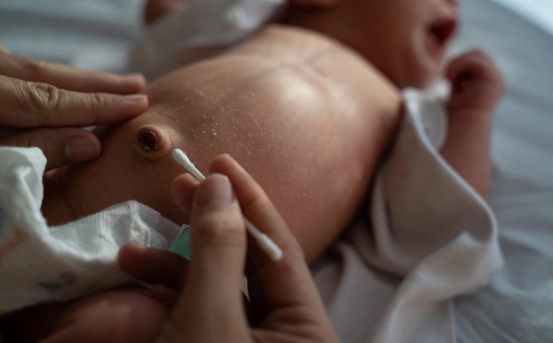
An omphalocele is a birth defect where the baby’s intestines, liver, or other abdominal organs develop outside the body through an opening near the belly button. These organs remain covered by a thin, transparent sac. The condition occurs early in pregnancy when the abdominal wall fails to close completely.
Depending on the size of the opening, omphaloceles are classified as:
- Small Omphalocele: Only part of the intestine protrudes outside.
- Large (Giant) Omphalocele: Liver and multiple organs extend into the sac.
This condition is often detected during pregnancy via ultrasound and may be associated with other genetic or structural abnormalities in some cases.
What Is Omphalocele Repair?
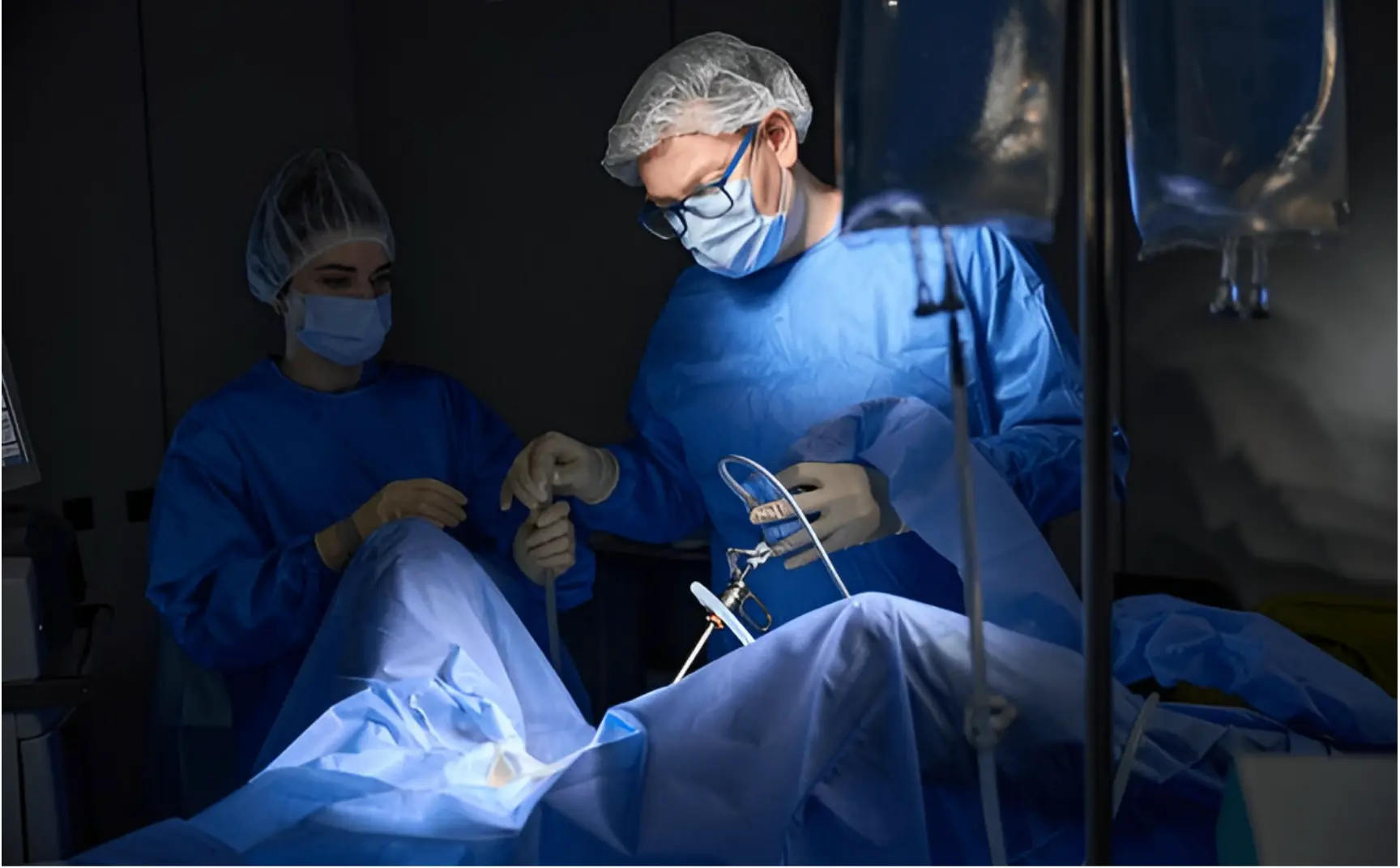
Omphalocele repair is the surgical procedure that returns the baby’s organs to the abdomen and closes the opening in the abdominal wall. The approach depends on the size of the omphalocele and the newborn’s stability after birth.
The main goals of the surgery are:
- To protect the organs from infection or injury
- To reposition the organs back into the abdominal cavity
- To close the abdominal opening safely
- To allow the baby’s digestive system to function normally
Because the abdominal cavity may be small or underdeveloped, especially in large omphaloceles, surgeons may repair the defect in stages.
Types of Omphalocele Repair
- Primary Repair :- Used for small omphaloceles.
- The surgeon gently places the organs back inside the abdomen.
- The abdominal wall is closed in a single operation.
- Babies undergoing primary repair usually recover faster and spend less time in neonatal intensive care (NICU).
- Staged Repair :- Used for large or giant omphaloceles, where immediate closure is not possible.
- A special protective material or “silo” is placed over the organs.
- Over days or weeks, the organs are gradually moved into the abdomen.
- Once the organs fit inside, a final surgery is performed to close the abdominal wall.
Staged repair gives the baby time to adjust without putting pressure on the lungs, heart, or diaphragm.
When Is Omphalocele Repair Performed?
The surgery is usually performed shortly after birth, but the exact timing depends on:
- The baby’s breathing and heart stability
- Size of the omphalocele
- Any associated conditions like prematurity, lung underdevelopment, or chromosomal disorders
Before surgery, doctors stabilize the newborn, ensure proper breathing support, and take precautions to prevent infection.
How Is the Procedure Done?
- Pre-Surgery Preparation :- Immediately after birth:
- The omphalocele sac is protected with sterile dressing.
- The baby is placed in a temperature-controlled incubator.
- IV fluids and antibiotics are started.
- If necessary, breathing support or ventilators are used.
A neonatologist, pediatric surgeon, and critical care team evaluate the baby’s condition before deciding the surgical approach.
- The Surgery :- Depending on whether it is a primary or staged repair:
For Primary Repair
- The sac is opened.
- The intestines or organs are examined for any damage.
- Organs are repositioned into the abdomen.
- The abdominal muscles and skin are closed with sutures.
For Staged Repair
- A mesh-like silo is placed over the sac.
- Gravity and gentle tightening help the organs move inside over several days.
- Once the abdomen can safely hold the organs, final closure surgery is performed.
- Post-Surgery Care :- After surgery, the baby is closely monitored in the NICU:
- Breathing support may be needed for a few days.
- IV nutrition is given until the intestines start functioning.
- Pain management ensures the baby is comfortable.
- Feeding is introduced slowly starting with small amounts of milk.
Recovery After Omphalocele Repair
Recovery depends largely on the size of the defect and the baby’s overall health. Small omphaloceles often require shorter hospital stays, while larger ones may require weeks to months of NICU care. Common aspects of recovery include:
- Gradual return of bowel function
- Progression from IV nutrition to tube feeds, then oral feeds
- Monitoring for infection or swelling
- Regular imaging to ensure healing
Parents are guided on wound care, feeding schedules, and follow-up visits.
Possible Complications
While omphalocele repair is a life-saving surgery, like any major operation, it carries risks. Some possible complications include:
- Infection
- Breathing problems, especially after large repairs
- Feeding difficulties
- Hernias at the site of surgery
- Digestive issues as the body adjusts
Most babies, however, recover well with modern surgical techniques and NICU support.
Long-Term Outlook
The long-term prognosis depends on:
- The size of the omphalocele
- Presence of other birth defects
- Lung development
- Overall health of the baby
Many children go on to lead healthy lives after omphalocele repair. They may require long-term follow-ups to monitor growth, abdominal strength, digestion, and any developmental concerns.
Physical therapy, specialized feeding programs, and pediatric surgical follow-up may be recommended during early childhood.
How Parents Can Support the Healing Process
Parents play a crucial role in their baby’s recovery journey. Some supportive steps include:
- Learning NICU routines such as feeding, burping, and gentle handling
- Maintaining hygiene for wound care at home
- Attending regular medical checkups
- Being patient, as feeding challenges or slow weight gain may occur initially
Emotional support and bonding through touch, voice, and skin-to-skin contact (when allowed) greatly help in recovery.
Conclusion
Omphalocele repair is a complex but highly effective surgical procedure that restores abdominal structure and protects a baby’s vital organs. Thanks to advancements in neonatal surgery and intensive care, the outcomes for babies with omphaloceles have improved significantly in recent years. While the journey may seem overwhelming, understanding the process step-by-step helps parents prepare emotionally and practically.