Introduction
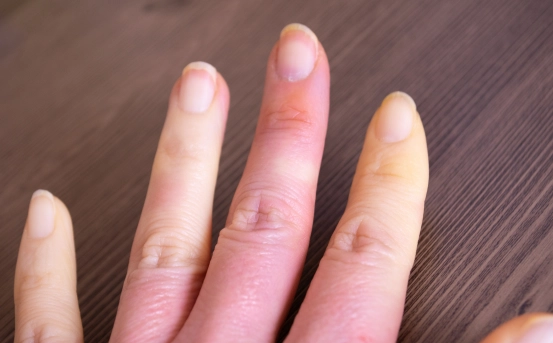
Raynaud’s phenomenon is a medical condition that affects blood flow, usually in the fingers and toes, causing them to turn white, blue, or red in response to cold temperatures or stress. These color changes occur because the small blood vessels in the extremities constrict excessively, reducing blood supply. While mild cases can be managed with medications, lifestyle changes, and protective measures, severe Raynaud’s can lead to persistent pain, ulcers, or tissue damage. When conservative treatments fail to provide relief or when complications such as non-healing sores or gangrene develop, Raynaud’s surgery may be recommended. This surgical intervention is designed to improve blood flow, relieve pain, and prevent further tissue damage. here will uunderstand what is raynaud’s surgery and its causes.
What is Raynaud’s Surgery
Raynaud’s surgery is usually targeted at the blood vessels and nerves that control circulation in the affected areas. The main goal of the surgery is to increase blood flow to the fingers or toes and reduce the excessive constriction of blood vessels that causes Raynaud’s attacks.
The common types of procedures include:
-
Sympathectomy :- This is the most common surgical procedure for severe Raynaud’s. It involves cutting or removing specific sympathetic nerves that trigger blood vessel constriction. By interrupting these nerves, the blood vessels remain more open, reducing the frequency and severity of attacks. Sympathectomy can be performed in the hands, feet, or both, depending on the areas affected.
-
Vascular Bypass or Reconstruction :- In rare cases, when major arteries are severely blocked, surgeons may perform a bypass to reroute blood flow around the obstruction. This helps restore circulation to the fingers or toes.
-
Digital Amputation (Last Resort) :- In extremely severe cases where tissue death (gangrene) has occurred, removing the affected portion may be necessary to prevent infection or further complications.
Why Raynaud’s Surgery Is Done
Raynaud’s surgery is generally recommended only for severe cases of the condition. Some of the reasons include:
-
Persistent pain in the fingers or toes that does not improve with medications.
-
Recurrent ulcers or sores due to poor blood circulation.
-
Tissue death or gangrene in extreme cases.
-
Frequent Raynaud’s attacks that significantly affect daily life and hand or foot function.
The surgery is usually considered after all non-surgical options, such as medications, lifestyle changes, and topical treatments, have failed to provide relief.
Recovery and Outcomes
After Raynaud’s surgery, patients may experience gradual improvement in blood flow and a reduction in pain and attacks. Recovery varies depending on the type of surgery performed. Simple sympathectomy often allows patients to regain better hand or foot function within a few weeks. More complex vascular surgeries may require longer healing and careful monitoring. Post-surgery care includes keeping the extremities warm, avoiding smoking, monitoring for signs of infection, and following up with a vascular or hand specialist. In most cases, surgery significantly improves quality of life and prevents serious complications associated with severe Raynaud’s.
Conclusion
Raynaud’s surgery is a highly specialized medical procedure designed specifically for patients with severe or complicated cases of Raynaud’s phenomenon that do not respond adequately to standard medical management, including lifestyle modifications and medications. This surgical intervention focuses on the underlying causes of poor circulation, targeting either the nerves or blood vessels responsible for excessive constriction and inadequate blood flow to the fingers, toes, or other affected extremities. By carefully addressing these critical structures, the procedure aims to restore healthy blood circulation, alleviate persistent pain, and prevent further tissue damage, including ulcers, sores, or even gangrene in the most severe cases.
Although Raynaud’s surgery is not necessary for every patient diagnosed with Raynaud’s phenomenon, it becomes a vital option for those experiencing frequent or debilitating attacks, chronic pain, and complications that significantly affect daily life. The surgery provides hope for patients who have exhausted conservative treatments and continue to suffer from limited hand or foot function, recurrent injuries, or poor wound healing due to inadequate blood supply. In addition to improving blood flow, the procedure may also help patients regain dexterity, strength, and confidence in performing routine activities, which are often disrupted by recurrent Raynaud’s attacks.