Introduction
The term gastrointestinal (GI) is commonly heard in hospitals, clinics, and health discussions, but many people are unsure about what it truly means. Simply put, gastrointestinal refers to the organs and structures involved in digesting food, absorbing nutrients, and eliminating waste. Your GI system is essential for overall health, energy levels, immunity, and metabolic balance.
What is Gastrointestinal
The word gastrointestinal is a combination of two terms
- Gastro related to the stomach
- Intestinal related to the intestine
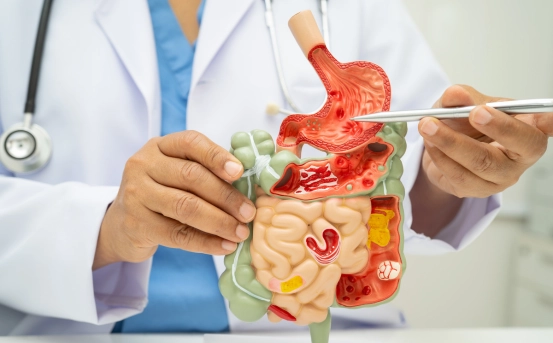
Together, the gastrointestinal system refers to the entire digestive tract, starting from the mouth and ending at the anus. It includes a long, continuous tube along with several supporting organs that help in digestion.
This system is also known as the digestive system or GI tract.
Organs of the Gastrointestinal System
The GI system is made up of two main parts
- The Upper GI Tract :- This part helps in intake, breakdown, and initial digestion of food. It includes
- Mouth chewing and saliva begin digestion
- Esophagus the tube that carries food to the stomach
- Stomach breaks down food using acids and enzymes
- Duodenum the first part of the small intestine where major digestion begins
- The Lower GI Tract :- This part is responsible for nutrient absorption and waste elimination.
- Small Intestine (Jejunum, Ileum) absorbs nutrients and minerals
- Large Intestine (Colon) absorbs water and forms stool
- Rectum and Anus store and eliminate waste
Supporting Organs
These organs are not part of the GI tract tube but are essential for digestion
- Liver produces bile to digest fats
- Gallbladder stores bile
- Pancreas produces digestive enzymes and regulates blood sugar
How the Gastrointestinal System Works
The GI system performs a complex but well-coordinated process to ensure your body gets the nutrients it needs. The major steps include
- Ingestion :- Food enters the body through the mouth.
- Digestion :- Mechanical and chemical breakdown of food begins in the mouth, continues in the stomach, and completes in the small intestine.
- Absorption :- Nutrients such as proteins, fats, carbohydrates, vitamins, and minerals are absorbed mainly in the small intestine and delivered to the bloodstream.
- Metabolism :- The liver and other organs process absorbed nutrients for energy, growth, and repair.
- Elimination :- Undigested and unabsorbed waste is expelled through the large intestine.
An issue in any part of this process can lead to gastrointestinal disorders.
Common Gastrointestinal Disorders
GI problems are extremely common and can range from mild, temporary discomfort to chronic diseases that require long-term treatment. Some of the most common gastrointestinal conditions include:
- Acid Reflux / GERD :- When stomach acid frequently flows back into the esophagus causing burning and irritation.
- Gastritis :- Inflammation of the stomach lining due to infection, stress, alcohol, or medications.
- Peptic Ulcers :- Painful sores in the stomach or duodenum often caused by H. pylori infection.
- Irritable Bowel Syndrome (IBS) :- A functional disorder causing abdominal pain, bloating, constipation, and diarrhea.
- Inflammatory Bowel Disease (IBD) :- Includes Crohn’s disease and ulcerative colitis serious conditions that cause chronic inflammation of the intestines.
- Gastroenteritis :- Stomach infection caused by viruses, bacteria, or contaminated food leading to vomiting and diarrhea.
- Constipation and Diarrhea :- Common symptoms of digestive imbalance.
- Gallstones :- Hard deposits in the gallbladder that can block bile flow.
- Celiac Disease :- An autoimmune reaction to gluten that damages the small intestine.
Symptoms of Gastrointestinal Problems
While symptoms differ depending on the specific condition, some common GI symptoms include
- Bloating and gas
- Abdominal pain or cramps
- Heartburn
- Nausea or vomiting
- Constipation or diarrhea
- Loss of appetite
- Unexplained weight loss
- Rectal bleeding
- Blood in stool
- Fatigue due to nutrient deficiencies
Persistent symptoms should not be ignored, as they may indicate a more serious underlying issue.
Diagnosis of GI Disorders
Gastroenterologists use several modern tests and diagnostic tools to identify GI problems. These may include
- Endoscopy a flexible tube used to view the esophagus, stomach, and intestine
- Colonoscopy examination of the large intestine
- Ultrasound or CT Scan imaging tests to evaluate organs
- Stool Test checks for infection, bleeding, or inflammation
- Blood Tests detect anemia, infection, or inflammation
- Breath Tests used for H. pylori infection or lactose intolerance
Accurate diagnosis ensures proper treatment and long-term relief.
Treatment Options for Gastrointestinal Conditions
Treatment depends on the specific condition but may include
- Medications
- Acid reducers
- Antibiotics
- Antispasmodics
- Anti-diarrheal or laxatives
- Anti-inflammatory drugs for IBD
- Lifestyle and Diet Changes
- Eating fiber-rich foods
- Avoiding spicy and oily foods
- Maintaining hydration
- Regular exercise
- Reducing stress
- Surgical Procedures :- Some severe conditions like gallstones, ulcers, bowel obstruction, or cancer may require surgery.
- Long-term Disease Management :- Chronic GI diseases like IBS or IBD often require continuous care.
Why Gastrointestinal Health Matters
Your GI system plays a major role in
- Immunity (70% of immune cells are in the gut)
- Energy and metabolism
- Mental health (gut-brain connection)
- Nutrient absorption
- Overall well-being
Keeping your gastrointestinal system healthy is essential for a balanced, active lifestyle.
Conclusion
The gastrointestinal system is one of the most important systems in the body, responsible for digestion, nutrient absorption, and waste elimination. Understanding how it works helps you recognize early signs of digestive issues and maintain lifelong gut health.