Introduction
Shoulder replacement surgery is an advanced orthopedic procedure designed to relieve chronic shoulder pain and restore mobility in patients suffering from severe shoulder joint damage. The shoulder is a highly mobile joint, and damage caused by arthritis, fractures, or rotator cuff disorders can significantly limit daily activities. When non-surgical treatments such as medications, physical therapy, or injections fail to provide relief, shoulder replacement becomes an effective and long-term treatment option.
The treatment of shoulder replacement involves a comprehensive approach that includes proper diagnosis, surgical intervention, post-operative care, and rehabilitation. Each stage plays a vital role in ensuring successful outcomes and improved quality of life for the patient.
Treatment of Shoulder Replacement
Conditions Treated by Shoulder Replacement
Shoulder replacement surgery is commonly recommended for patients with severe joint damage due to:
- Osteoarthritis: Progressive wear and tear of the shoulder joint cartilage.
- Rheumatoid Arthritis: An autoimmune condition causing joint inflammation and damage.
- Post-Traumatic Arthritis: Joint damage following shoulder fractures or injuries.
- Severe Shoulder Fractures: Especially in elderly patients where reconstruction is not feasible.
- Rotator Cuff Tear Arthropathy: Advanced arthritis combined with large rotator cuff tears.
- Avascular Necrosis: Loss of blood supply leading to bone death in the shoulder joint.
These conditions often cause persistent pain, stiffness, reduced range of motion, and difficulty performing routine activities such as lifting, dressing, or sleeping.
Non-Surgical Treatment Before Shoulder Replacement
Before recommending shoulder replacement, doctors usually attempt conservative treatment options, including
- Pain-Relieving Medications: Non-steroidal anti-inflammatory drugs (NSAIDs) to reduce pain and inflammation.
- Physical Therapy: Exercises to strengthen shoulder muscles and improve flexibility.
- Corticosteroid Injections: To reduce inflammation and provide temporary pain relief.
- Activity Modification: Avoiding movements that worsen symptoms.
When these measures fail to improve symptoms and pain continues to interfere with daily life, shoulder replacement surgery is considered the most effective treatment.
Types of Shoulder Replacement Surgery
The type of shoulder replacement performed depends on the extent of joint damage and the condition of the surrounding muscles and tendons.
- Total Shoulder Replacement :- In this procedure, both the damaged ball (humeral head) and socket (glenoid) are replaced with artificial components. It is commonly used in patients with intact rotator cuff muscles.
- Partial Shoulder Replacement (Hemiarthroplasty) :- Only the damaged ball of the shoulder joint is replaced. This option is often used for certain fractures or when the socket remains healthy.
- Reverse Shoulder Replacement :- In this advanced technique, the normal anatomy of the shoulder is reversed. The ball is placed on the socket side and the socket on the arm bone. This allows the deltoid muscle to compensate for a damaged rotator cuff. Reverse shoulder replacement is commonly used in patients with severe rotator cuff tears.
Surgical Treatment Process
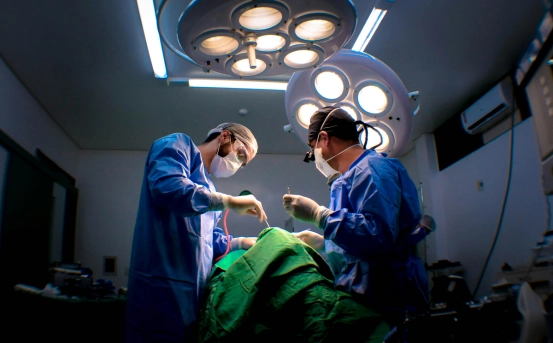
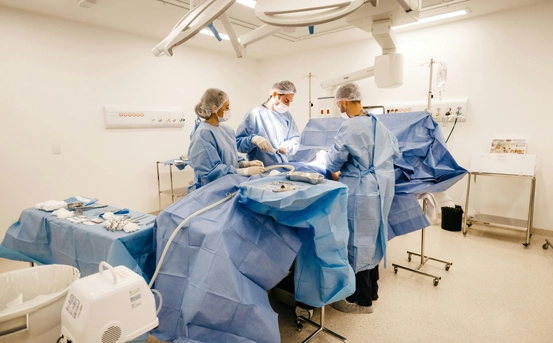
Shoulder replacement surgery is typically performed under general anesthesia and takes about one to two hours. During the procedure
- The surgeon makes an incision over the shoulder.
- Damaged bone and cartilage are carefully removed.
- Artificial components made of metal and high-grade plastic are implanted.
- The joint is tested for stability and movement before closing the incision.
Advanced surgical techniques and improved implant designs have significantly increased the durability and success rate of shoulder replacements.
Post-Surgery Treatment and Hospital Care
After surgery, patients are closely monitored in the hospital for one to three days. Pain management, wound care, and early movement are important aspects of post-operative treatment.
- Pain Control: Medications are provided to manage discomfort.
- Immobilization: The arm is placed in a sling to protect the joint.
- Early Mobilization: Gentle movements are encouraged under medical supervision to prevent stiffness.
- Infection Prevention: Antibiotics and proper wound care are administered.
Rehabilitation and Physical Therapy
Rehabilitation is a crucial part of shoulder replacement treatment and significantly influences recovery outcomes. A structured physical therapy program is initiated soon after surgery and progresses in phases
- Initial Phase: Focuses on passive movements to maintain joint mobility.
- Intermediate Phase: Gradual strengthening exercises are introduced.
- Advanced Phase: Emphasizes restoring function, coordination, and range of motion.
Consistent physical therapy helps patients regain strength, flexibility, and confidence in using their shoulder.
Expected Outcomes of Shoulder Replacement
Most patients experience significant improvement after shoulder replacement surgery, including
- Long-term pain relief
- Improved range of motion
- Enhanced shoulder strength
- Better ability to perform daily activities
- Improved sleep quality
Modern shoulder implants are designed to last 15–20 years or more, especially when combined with proper post-operative care and lifestyle modifications.
Risks and Considerations
While shoulder replacement is generally safe, potential risks include
- Infection
- Blood clots
- Implant loosening or wear
- Nerve or blood vessel injury
- Stiffness or limited movement
Choosing an experienced orthopedic surgeon and following rehabilitation protocols helps minimize these risks.
Long-Term Care and Lifestyle Adjustments
After shoulder replacement, patients are advised to
- Avoid heavy lifting or high-impact activities
- Maintain a healthy weight
- Continue prescribed exercises
- Attend regular follow-up visits
- Protect the shoulder from injury
These measures help prolong the lifespan of the implant and maintain optimal shoulder function.
Conclusion
The treatment of shoulder replacement is a comprehensive and highly effective solution for patients suffering from severe shoulder joint damage. By combining accurate diagnosis, advanced surgical techniques, and dedicated rehabilitation, shoulder replacement surgery offers lasting pain relief and restored mobility. For individuals whose quality of life is limited by chronic shoulder pain, this procedure provides a reliable path to recovery and renewed independence.
Consulting an experienced orthopedic specialist is essential to determine the appropriate type of shoulder replacement and ensure the best possible outcome.