





Introduction
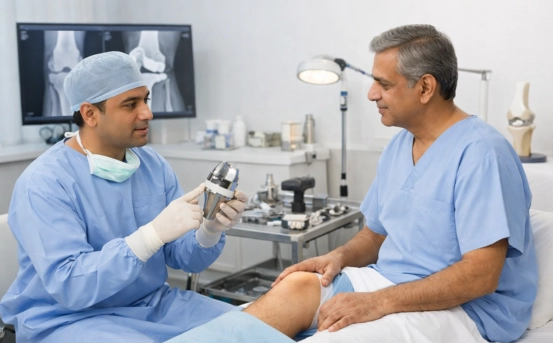
Diagnosis of knee replacement Surgery is a crucial step in determining whether surgical intervention is necessary to relieve pain and restore joint function. It begins when persistent knee pain, stiffness, and mobility limitations fail to improve with conservative treatments. Doctors carefully evaluate the patient’s medical history, lifestyle, and symptom progression. A detailed physical examination is performed to assess joint stability, range of motion, swelling, and alignment. Imaging tests such as X-rays play a key role in revealing cartilage loss, joint space narrowing, bone spurs, and deformities. In some cases, MRI or CT scans may be recommended for a more detailed assessment of soft tissues and joint structures. Blood tests may also be used to rule out infection or inflammatory conditions. This comprehensive diagnostic approach ensures accurate identification of joint damage and helps determine the right time for knee replacement surgery.
Diagnosis of Knee Replacement Surgery
- Physical Examination :- The first step in diagnosis involves a detailed physical assessment. Doctors check for knee swelling, tenderness, warmth, deformities, and alignment. They assess the range of motion, stability, and ligament strength. Observing gait and posture helps identify joint dysfunction. The physical examination reveals the severity of arthritis or injury and guides further testing.
- Medical History Review :- Doctors review your medical history, including previous knee injuries, surgeries, family history of arthritis, and chronic conditions. Questions focus on pain patterns, stiffness, limitations in daily activities, and response to medications or therapies. A thorough history helps determine if knee replacement is necessary and identifies potential risks or contraindications.
- Imaging Tests :- Imaging is essential for accurate diagnosis
- X-rays: Show bone alignment, cartilage loss, and joint space narrowing.
- MRI: Provides detailed images of cartilage, ligaments, and soft tissues.
- CT Scan: Used in complex cases for precise assessment of bone structure.
These tests confirm joint damage severity and help plan the type of knee replacement required.
- Laboratory Tests :- Blood tests may be performed to rule out infection or inflammatory conditions like rheumatoid arthritis. Tests include complete blood count, markers of inflammation, and sometimes autoimmune panels. These ensure that surgery is safe and appropriate for the patient.
- Symptom Assessment and Pain Evaluation :- Patients’ reports of pain severity, duration, location, and impact on daily life are crucial. Doctors often use standardized pain and function scoring systems to measure the degree of impairment. This helps determine if conservative treatments have failed and if surgery is warranted.
- Trial of Conservative Treatment :- Before surgery, doctors may ensure that medications, physical therapy, lifestyle modifications, or injections have been attempted. Persistent pain, limited mobility, or worsening symptoms despite these interventions typically confirm the need for knee replacement.
When to See a Doctor
Early consultation is recommended if
- Persistent knee pain affects daily activities
- Limited range of motion or stiffness persists
- Swelling or inflammation keeps recurring
- Pain worsens at night or with weight-bearing
- Previous treatments are no longer effective
Early diagnosis improves surgical outcomes and prevents further joint deterioration.
Conclusion
In conclusion, accurate diagnosis of knee replacement is essential for achieving successful treatment outcomes and long-term relief. A thorough evaluation helps confirm the severity of joint degeneration and ensures that surgery is recommended only when necessary. By combining clinical examination, imaging studies, and patient-reported symptoms, doctors can differentiate between mild, moderate, and advanced knee conditions. Early and precise diagnosis allows timely intervention, prevents further joint deterioration, and reduces prolonged discomfort. It also enables surgeons to plan the most suitable surgical approach, whether partial or total knee replacement. Proper diagnosis not only improves surgical success but also supports smoother recovery, better mobility, and enhanced quality of life. Timely medical consultation and detailed assessment empower patients to make informed decisions and achieve lasting improvement in knee function and daily activities.



