Introduction
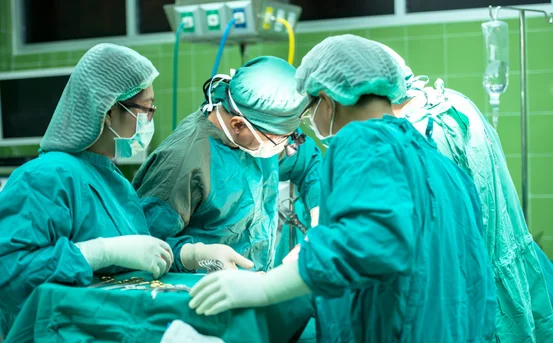
Cervical fusion is a surgical procedure performed to stabilize the cervical spine (neck) by permanently joining two or more vertebrae. It is not done routinely but is recommended when specific spinal conditions cause persistent pain, instability, or nerve compression that cannot be relieved through non-surgical treatments. Below are the most common causes and medical reasons why cervical fusion becomes necessary.
Causes of Cervical Fusion
- Degenerative Disc Disease :- Degenerative disc disease is one of the most common causes of cervical fusion. As people age, the cervical discs lose hydration and elasticity, leading to disc thinning and collapse. This degeneration can cause neck pain, stiffness, and reduced mobility. When disc degeneration leads to spinal instability or nerve compression that does not improve with medication or physiotherapy, cervical fusion may be required to stabilize the spine and relieve symptoms.
- Herniated Cervical Disc :- A herniated or slipped cervical disc occurs when the soft inner portion of the disc pushes through its outer layer and presses on nearby nerves or the spinal cord. This condition often causes neck pain, arm pain, numbness, tingling, or weakness. If symptoms are severe or persistent and do not respond to conservative treatments, cervical fusion is performed after removing the damaged disc to prevent abnormal motion between the vertebrae.
- Cervical Spondylosis :- Cervical spondylosis refers to age-related wear and tear of the cervical spine, including bone spurs, disc degeneration, and joint damage. These changes can narrow the spinal canal or nerve pathways, leading to chronic pain and neurological symptoms. Cervical fusion helps stabilize the spine after decompression and prevents further degeneration or instability.
- Spinal Instability :- Spinal instability occurs when the cervical vertebrae move abnormally due to damaged discs, ligaments, or joints. This instability can cause severe neck pain and increase the risk of spinal cord injury. Cervical fusion is performed to restore alignment, eliminate abnormal motion, and protect the spinal cord and nerves.
- Cervical Spine Fractures and Trauma :- Severe neck injuries caused by accidents, falls, or sports trauma can result in cervical fractures or dislocations. When these injuries compromise spinal stability or threaten the spinal cord, cervical fusion is required to stabilize the spine, promote healing, and prevent long-term neurological damage.
- Spinal Cord Compression (Cervical Myelopathy) :- Cervical myelopathy occurs when the spinal cord is compressed due to disc herniation, bone spurs, tumors, or thickened ligaments. Symptoms may include difficulty walking, loss of coordination, numbness, or weakness in the arms and legs. Cervical fusion is performed after decompressing the spinal cord to maintain spinal stability and prevent further neurological deterioration.
- Tumors or Infections :- Tumors or infections affecting the cervical spine can weaken vertebrae and cause spinal instability. Surgical removal of diseased tissue often requires cervical fusion to restore strength and stability to the spine and prevent collapse or deformity.
- Failed Previous Spine Surgery :- In some cases, patients who have undergone earlier cervical spine surgeries may develop instability, recurrent disc problems, or persistent pain. Cervical fusion may be necessary as a revision surgery to correct structural problems and achieve long-term stability.
Conclusion
Cervical fusion is performed to address serious neck and spinal conditions that cause chronic pain, instability, or nerve compression. Common causes include degenerative disc disease, herniated discs, spinal instability, trauma, and spinal cord compression. When conservative treatments fail to provide relief, cervical fusion offers a reliable solution to stabilize the spine, protect neurological function, and improve quality of life. Consulting an experienced spine specialist is essential to determine whether cervical fusion is the appropriate treatment based on the underlying cause and severity of symptoms.