Introduction
The hepatobiliary system includes the liver, gallbladder, bile ducts, and related structures that help the body digest fats, filter toxins, and maintain overall metabolic balance. Because these organs play such essential roles, even minor problems can lead to major health concerns if ignored. Sometimes symptoms can be managed with medications or lifestyle changes, but in many cases, severe or persistent issues may indicate the need for hepatobiliary surgery.
Hepatobiliary surgery includes procedures performed on the liver, gallbladder, pancreas, and bile ducts. These surgeries often help treat conditions like gallstones, liver tumors, bile duct blockages, cysts, infections, and congenital defects. Understanding the early symptoms is crucial, because timely medical care can prevent complications and support faster recovery.
Symptoms for Hepatobiliary Surgery
- Persistent Pain in the Upper Right Abdomen :- One of the most common symptoms associated with hepatobiliary diseases is constant or recurring pain in the upper right quadrant of the abdomen, just below the rib cage. This pain is often associated with
- Gallstones
- Liver inflammation (hepatitis)
- Bile duct obstruction
- Gallbladder infection (cholecystitis)
The pain can be mild, dull, or sometimes sharp and severe. It may worsen after eating fatty or oily foods because the gallbladder contracts to release bile. If the pain is accompanied by nausea or fever, it may indicate an infection or inflammation requiring urgent attention.
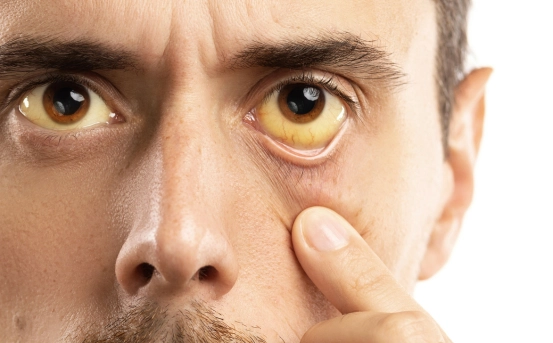
- Jaundice (Yellowing of Skin and Eyes) :- Jaundice is one of the most visible and alarming symptoms of hepatobiliary disorders. It occurs when bilirubin, a yellow pigment formed by the breakdown of red blood cells, builds up in the bloodstream.
Conditions that may cause jaundice include
- Bile duct obstruction
- Liver tumors
- Gallstones blocking the bile duct
- Liver cirrhosis
- Pancreatic head tumors affecting bile drainage
Jaundice may also be accompanied by dark urine, pale stools, and itching, indicating a blockage in the bile flow. If jaundice appears suddenly, immediate medical evaluation is essential, as surgical intervention may be needed to restore proper bile drainage.
- Unexplained Weight Loss and Loss of Appetite :- A sudden drop in appetite or body weight, without any change in diet or physical activity, can signal a serious issue in the hepatobiliary system. Many liver and bile duct diseases affect digestion and metabolism, which results in
- Poor nutrient absorption
- Loss of appetite
- Persistent feeling of fullness
- Early satiety
Unintentional weight loss is especially concerning in cases of liver tumors, pancreatic cancer, or chronic liver disease. Surgical evaluation may be necessary to identify and treat the underlying cause.
- Nausea, Vomiting, and Digestive Discomfort :- Digestive problems such as persistent nausea, indigestion, bloating, and vomiting can indicate problems with the bile flow or liver function. These symptoms may be linked to
- Gallstones
- Gallbladder inflammation
- Fatty liver disease
- Obstruction in the bile ducts
Because the liver and gallbladder play key roles in digesting fats, any issue in the hepatobiliary system can disrupt normal digestion. If symptoms continue despite dietary modifications, medical evaluation is required.
- Dark-Colored Urine and Pale Stools :- Changes in urine and stool color can provide clear clues about hepatobiliary health.
- Dark brown or tea-colored urine suggests excess bilirubin circulating in the bloodstream.
- Pale, clay-colored, or white stools indicate that bile is not reaching the intestines.
These symptoms often point toward bile duct blockage due to stones, tumors, strictures, or infections. Surgical procedures may be needed to remove obstructions and restore normal bile flow.
- Itching (Pruritus) Without a Rash :- Chronic itching without visible skin changes can be a sign of hepatobiliary disease. When bile salts accumulate in the bloodstream due to poor bile drainage or liver dysfunction, they can irritate the skin and cause intense itching, especially at night.
Conditions associated with itching include
- Bile duct obstruction
- Cholestasis
- Primary biliary cholangitis
- Liver cirrhosis
If itching persists and is accompanied by jaundice or abdominal pain, hepatobiliary evaluation becomes essential.
- Fatigue and Generalized Weakness :- The liver plays a major role in energy production, detoxification, and nutrient storage. When it becomes inflamed or damaged, the body’s metabolism slows down, leading to
- Chronic fatigue
- Low energy levels
- Weakness
- Difficulty performing daily tasks
Fatigue is a common symptom in conditions like hepatitis, liver fibrosis, and cirrhosis. Although fatigue alone may not require surgery, it often accompanies more serious symptoms that do.
- Swelling in the Abdomen (Ascites) :- Ascites refers to the accumulation of fluid in the abdomen. This condition is often associated with
- Liver cirrhosis
- Severe liver damage
- Portal hypertension
- Advanced hepatobiliary cancers
Ascites cause abdominal swelling, discomfort, and difficulty breathing. When it becomes severe or recurrent, medical or surgical treatments may be needed to drain the fluid or address the underlying cause.
- Fever and Chills (Signs of Infection) :- An infection in the liver or bile ducts can cause high fever, chills, and severe abdominal pain. The most common infections include
- Cholangitis (infection of bile ducts)
- Liver abscess
- Acute cholecystitis
These infections can be life-threatening if not treated quickly. Many cases require urgent surgical intervention to remove the infected gallbladder or drain abscesses.
- Swelling of Legs and Ankles :- When the liver is unable to produce enough proteins, especially albumin, fluid may leak into tissues, causing swelling in the legs, ankles, and feet. This symptom usually indicates advanced liver disease and should not be ignored.
When Should You See a Doctor?
Seek medical help immediately if you experience
- Severe abdominal pain
- Sudden jaundice
- High fever with chills
- Repeated vomiting
- Rapid weight loss
- Swollen abdomen or legs
Early diagnosis and timely treatment significantly improve outcomes, especially in conditions that may require hepatobiliary surgery.
Conclusion
Hepatobiliary diseases often start with subtle symptoms but can become serious if ignored. Recognizing the signs early including abdominal pain, jaundice, fatigue, digestive issues, and changes in urine or stool can help you seek timely medical advice. Whether the issue requires medication, lifestyle changes, or advanced surgical care, early detection is always the key to better recovery.