Introduction
Beating Heart Surgery, also known as Off-Pump Coronary Artery Bypass Surgery (OPCAB), is an advanced cardiac procedure performed while the heart is still beating. Unlike traditional open-heart surgery that uses a heart-lung machine, this technique allows surgeons to operate without stopping the heart. It is commonly recommended for patients with coronary artery disease who may be at higher risk with conventional surgery. Understanding the symptoms of Beating Heart Surgery is crucial for early diagnosis and timely treatment. These symptoms are usually linked to reduced blood flow to the heart due to blocked or narrowed coronary arteries. Recognizing them early can prevent life-threatening complications such as heart attacks or heart failure.
What Leads to the Need for Beating Heart Surgery?
Beating Heart Surgery is primarily advised when coronary arteries become blocked by fatty deposits (atherosclerosis). This reduces oxygen-rich blood supply to the heart muscle, causing noticeable symptoms. Patients who are elderly, diabetic, or have kidney or lung problems are often considered suitable candidates for this surgery. The symptoms may start mildly but tend to worsen over time if left untreated.
Common Symptoms of Beating Heart Surgery
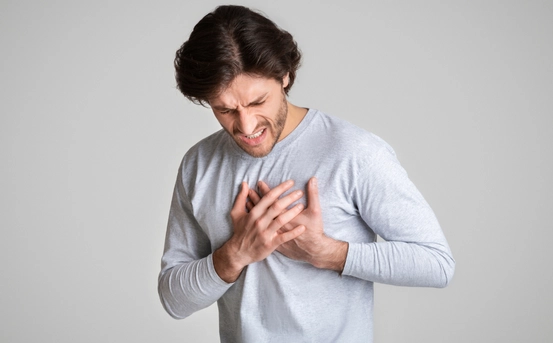
- Persistent Chest Pain (Angina) :- One of the most common symptoms is chest pain or discomfort, often described as pressure, tightness, heaviness, or burning in the chest. This pain usually occurs when the heart muscle does not receive enough oxygenated blood.
Chest pain may
- Occur during physical activity or emotional stress
- Improve with rest
- Spread to the left arm, neck, jaw, or back
- Last for a few minutes or recur frequently
Persistent or worsening angina is a strong indicator of advanced coronary artery disease and may necessitate surgical intervention.
- Shortness of Breath :- Breathlessness is another key symptom. It may occur during routine activities such as walking, climbing stairs, or even while resting in severe cases. This happens when the heart struggles to pump blood efficiently due to blocked arteries.
Patients often experience
- Difficulty breathing during mild exertion
- Waking up at night gasping for air
- Inability to lie flat without discomfort
Shortness of breath should never be ignored, especially if it is new or progressively worsening.
- Fatigue and Reduced Stamina :- Unexplained fatigue or a sudden drop in energy levels can signal heart problems. When the heart does not receive enough blood, it cannot meet the body’s demands.
Common signs include
- Feeling exhausted after minimal activity
- Reduced exercise tolerance
- Persistent weakness throughout the day
Many patients mistake fatigue for stress or aging, but in cardiac cases, it may point toward serious underlying issues.
- Irregular Heartbeat or Palpitations :- Some patients experience palpitations, fluttering sensations, or an irregular heartbeat. Reduced blood flow to the heart can disrupt its electrical system, leading to rhythm abnormalities.
Symptoms may include
- Racing or pounding heartbeat
- Skipped beats
- Dizziness or lightheadedness
Persistent palpitations require medical evaluation, as they can increase the risk of complications.
- Sweating Without Obvious Cause :- Excessive sweating, especially cold sweats, can be an early warning sign of heart distress. It often occurs alongside chest pain or breathlessness.
Patients may notice
- Sudden sweating without physical activity
- Clammy or cold skin
- Sweating during sleep
This symptom is particularly concerning when combined with other cardiac warning signs.
- Pain in Other Parts of the Body :- Heart-related pain does not always stay confined to the chest. It can radiate to other areas, including
- Left or right arm
- Neck and jaw
- Upper back or shoulders
- Upper abdomen
This referred pain is often mistaken for muscle strain or indigestion, leading to delayed diagnosis.
- Swelling in Legs, Ankles, or Feet :– Fluid retention causing swelling in the lower extremities may indicate the heart’s reduced ability to pump effectively. When the heart weakens, blood flow slows, leading to fluid buildup.
This symptom may be accompanied by
- Rapid weight gain
- Tight-fitting shoes or socks
- Abdominal bloating
Swelling suggests advancing heart disease and should be evaluated promptly.
- Dizziness or Fainting :- Reduced blood flow to the brain can cause dizziness, lightheadedness, or fainting spells. These symptoms indicate that the heart is struggling to maintain adequate circulation.
They may occur
- During exertion
- While standing up suddenly
- Along with palpitations or chest discomfort
Frequent dizziness is a serious warning sign requiring immediate attention.
Symptoms in High-Risk Patients
Certain individuals are more vulnerable and may experience subtle or atypical symptoms. These include
- Elderly patients
- Diabetics
- Patients with high blood pressure
- Individuals with a history of heart disease
In such cases, symptoms like fatigue, nausea, or mild breathlessness may be the only indicators of severe coronary artery disease.
When to Seek Medical Attention
Immediate medical help is essential if you experience
- Chest pain lasting more than a few minutes
- Sudden shortness of breath
- Fainting or loss of consciousness
- Severe sweating with nausea
- Pain spreading to arms, neck, or jaw
Early evaluation can determine whether Beating Heart Surgery is necessary and prevent life-threatening outcomes.
Why Early Detection Matters
Identifying symptoms early allows doctors to assess the severity of artery blockages and recommend appropriate treatment. Beating Heart Surgery offers several benefits, including
- Reduced risk of stroke
- Less blood loss
- Faster recovery
- Shorter hospital stay
Timely surgery significantly improves quality of life and long-term survival.
Conclusion
The symptoms of Beating Heart Surgery are essentially the warning signs of advanced coronary artery disease. Chest pain, breathlessness, fatigue, palpitations, and swelling should never be ignored. While these symptoms may appear gradually, they signal a heart in distress and the urgent need for expert care.
Early diagnosis and the right surgical approach, such as Beating Heart Surgery, can restore blood flow, relieve symptoms, and help patients return to a healthier, more active life. If you or a loved one experience any of these symptoms, consult a cardiac specialist without delay because timely action can save lives.