Introduction
Heart valve disorders and aortic root diseases are serious conditions that can significantly impact a person’s quality of life. Traditionally, many patients required complete valve replacement, which often meant lifelong medication and lifestyle restrictions. However, advancements in cardiac surgery have introduced a highly effective alternative known as Valve Sparing Surgery. This modern treatment focuses on preserving the patient’s own heart valve while repairing the surrounding structures, offering long-term benefits and improved outcomes.
Understanding Valve Sparing Surgery
Valve Sparing Surgery is a specialized cardiac procedure primarily used to treat diseases of the aortic root, such as aortic aneurysm or dilation, while keeping the native aortic valve intact. Instead of replacing the valve with an artificial or mechanical one, surgeons carefully repair and support the existing valve. This approach is especially beneficial for younger patients and those whose valves are structurally healthy but affected by surrounding aortic issues. The most common techniques used in valve sparing surgery include David Procedure (Reimplantation Technique) and Yacoub Procedure (Remodeling Technique). Both methods aim to restore normal valve function and prevent future complications without removing the natural valve.
Why Valve Sparing Surgery Is Needed
Valve sparing surgery is recommended when the aortic root is enlarged or weakened but the valve leaflets themselves are functioning well. Conditions that may require this treatment include:
- Aortic root aneurysm
- Marfan syndrome and other connective tissue disorders
- Bicuspid aortic valve with root dilation
- Genetic or degenerative aortic diseases
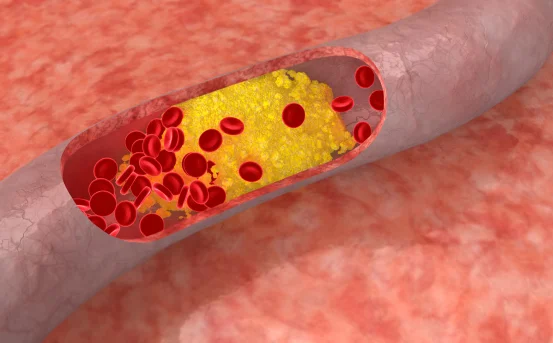
If left untreated, these conditions can lead to serious complications such as aortic rupture, heart failure, or severe valve leakage (aortic regurgitation).
Treatment of Valve Sparing Surgery
- Pre-Surgical Evaluation :- Before recommending valve sparing surgery, a detailed evaluation is performed. This includes echocardiography, CT or MRI scans, and cardiac catheterization if needed. These tests help assess the condition of the valve, size of the aorta, and overall heart function. A multidisciplinary cardiac team determines whether the patient is an ideal candidate for the procedure.
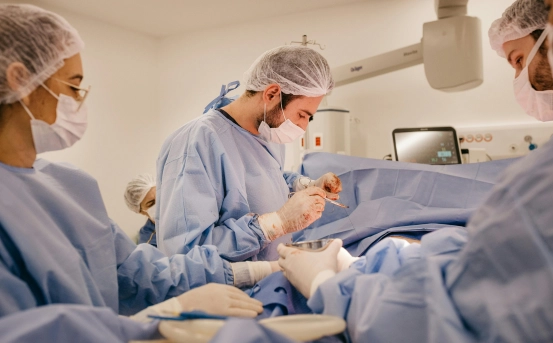
- Surgical Procedure :- Valve sparing surgery is performed under general anesthesia using open-heart techniques. During the procedure, the damaged portion of the aorta is removed and replaced with a synthetic graft. The patient’s own valve is then carefully preserved and reattached within the graft, ensuring proper alignment and function.
The surgery typically takes several hours and requires advanced expertise, as precision is critical to maintaining valve integrity and long-term success.
Post-Surgical Recovery
After surgery, patients are monitored in the intensive care unit for a short period. Most patients stay in the hospital for 7–10 days, depending on recovery progress. Pain management, respiratory exercises, and gradual mobilization are key parts of post-operative care. Regular follow-ups and imaging tests help ensure the valve continues to function properly.
Benefits of Valve Sparing Surgery
Valve sparing surgery offers several advantages over traditional valve replacement:
- Preservation of natural valve function
- No need for lifelong blood-thinning medication
- Lower risk of infection and clot formation
- Better quality of life and fewer lifestyle restrictions
- Excellent long-term durability in suitable patients
Because the patient’s own valve is retained, the heart maintains more natural blood flow dynamics, which contributes to better overall cardiac performance.
Risks and Considerations
Like all major cardiac procedures, valve sparing surgery carries some risks, including bleeding, infection, or valve dysfunction over time. However, when performed by experienced cardiac surgeons, success rates are high and complication rates are relatively low. Not all patients are suitable candidates. If the valve leaflets are severely damaged or calcified, valve replacement may be a better option. This is why proper patient selection and surgical expertise are essential.
Who Is an Ideal Candidate?
Ideal candidates for valve sparing surgery typically include:
- Younger patients with long life expectancy
- Patients with healthy valve leaflets
- Individuals with aortic root aneurysm without severe valve disease
- Patients seeking to avoid lifelong anticoagulation therapy
A personalized evaluation is always necessary to determine the best treatment approach.
Long-Term Outcomes and Follow-Up
Studies have shown that valve sparing surgery provides excellent long-term outcomes, with many patients enjoying decades of normal valve function. Regular follow-up appointments, echocardiograms, and a heart-healthy lifestyle are crucial for maintaining results. Patients are encouraged to manage blood pressure, avoid smoking, maintain a balanced diet, and engage in moderate physical activity as advised by their cardiologist.
Valve Sparing Surgery vs Valve Replacement
Unlike valve replacement, which uses mechanical or biological valves, valve sparing surgery preserves what nature has provided. Mechanical valves require lifelong anticoagulants, while biological valves may wear out over time. Valve sparing surgery avoids both challenges, making it a preferred option when feasible.
Conclusion
Valve Sparing Surgery represents a significant advancement in the treatment of aortic root and valve-related heart conditions. By preserving the patient’s natural valve, this procedure offers long-lasting benefits, reduced medication dependency, and an improved quality of life. With early diagnosis, expert surgical care, and proper follow-up, patients can expect excellent outcomes and a healthier future.