Introduction
Adhesions are bands of scar tissue that form between organs or tissues in the body, often as a result of surgery, infection, or inflammation. While these adhesions are a natural part of the body’s healing process, they can sometimes cause complications such as chronic pain, bowel obstruction, or infertility. In such cases, adhesiolysis surgery, a procedure to remove or separate adhesions becomes necessary. Understanding the different types of adhesiolysis surgery can help patients make informed decisions and improve treatment outcomes.
What is Adhesiolysis Surgery?
Adhesiolysis is a surgical procedure aimed at cutting, removing, or separating adhesions that cause pain or functional problems in organs and tissues. Adhesions can develop in various parts of the body, including the abdomen, pelvis, and around the heart or lungs. The goal of adhesiolysis surgery is to restore normal organ function, relieve pain, and prevent complications.
The choice of surgical technique depends on the location, severity of adhesions, and the patient’s overall health. Modern surgical techniques have made adhesiolysis more precise and minimally invasive, reducing recovery time and surgical risks.
Types of Adhesiolysis Surgery
Adhesiolysis surgeries can be broadly categorized into open surgery, laparoscopic surgery, and hysteroscopic surgery, depending on the area affected and the method used. Each type has its benefits and indications.
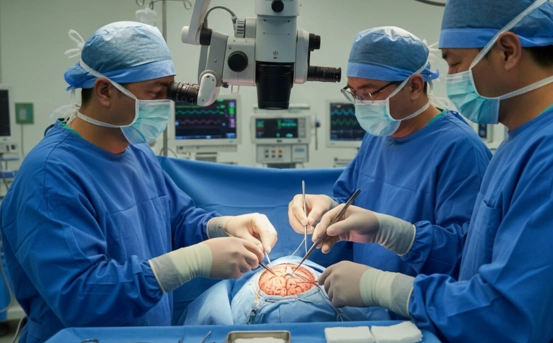
- Open Adhesiolysis Surgery :- Open adhesiolysis surgery involves making a larger incision to access the affected area directly. It is usually recommended for severe adhesions or when laparoscopic techniques are not feasible due to complex scarring.
Key features
- Provides direct visualization of the adhesions.
- Allows surgeons to manage extensive or dense adhesions.
- Often used for complicated abdominal or pelvic adhesions causing bowel obstruction or chronic pain.
Advantages
- Higher precision in complex cases.
- Can address multiple adhesions in one procedure.
Limitations
- Longer recovery time.
- Increased risk of postoperative adhesions.
- Higher risk of infection compared to minimally invasive techniques.
- Laparoscopic Adhesiolysis Surgery :- Laparoscopic adhesiolysis, also known as minimally invasive adhesiolysis, is the most commonly preferred approach today, especially for abdominal and pelvic adhesions. This procedure uses small incisions, a camera (laparoscope), and specialized instruments to remove adhesions.
Key features
- Minimally invasive technique using small incisions.
- Real-time visualization with a camera.
- Often performed under general anesthesia.
Advantages
- Faster recovery and shorter hospital stay.
- Less postoperative pain and scarring.
- Reduced risk of forming new adhesions.
Limitations
- Not suitable for extremely dense or complex adhesions.
- Requires specialized surgical expertise and equipment.
Common Applications
- Treatment of bowel obstruction caused by adhesions.
- Addressing pelvic adhesions contributing to infertility or chronic pelvic pain.
- Post-surgical adhesions after gynecological or abdominal procedures.
- Hysteroscopic Adhesiolysis :- Hysteroscopic adhesiolysis is specifically used for intrauterine adhesions, also known as Asherman’s syndrome. This condition occurs when scar tissue forms inside the uterus, often after uterine surgery or infection, leading to menstrual irregularities, infertility, or recurrent miscarriages.
Key features
- Involves inserting a hysteroscope through the cervix to view and remove adhesions.
- Uses specialized instruments to cut scar tissue precisely.
Advantages
- Minimally invasive with quick recovery.
- Preserves uterine function, improving fertility outcomes.
- Reduced risk of complications compared to open surgery.
Limitations
- Limited to intrauterine adhesions.
- May require repeat procedures if adhesions recur.
- Thoracoscopic Adhesiolysis :- Thoracoscopic adhesiolysis is performed in the chest cavity for patients with adhesions around the lungs, heart, or pleura. These adhesions can develop after cardiac or thoracic surgery, infections, or trauma.
Key features
- Minimally invasive using small incisions and a thoracoscope.
- Allows precise separation of adhesions around delicate organs.
Advantages
- Reduces postoperative pain and hospital stay.
- Lower risk of complications compared to open thoracic surgery.
Limitations
- Requires specialized surgical expertise.
- May not be suitable for extensive or complex adhesions.
- Other Specialized Adhesiolysis Procedures
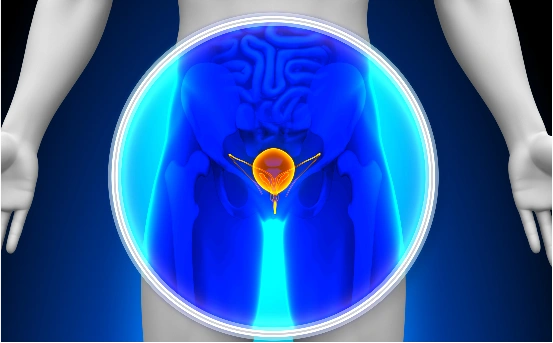
- Pelvic adhesiolysis: Often performed laparoscopically to treat adhesions between reproductive organs and surrounding tissues, commonly used for women with infertility or chronic pelvic pain.
- Abdominal adhesiolysis: Can be done laparoscopically or through open surgery to treat bowel obstructions or post-surgical adhesions.
- Cardiac adhesiolysis: Used in patients with adhesions forming after heart surgery, sometimes requiring open-heart procedures to prevent complications.
Recovery and Postoperative Care
Recovery from adhesiolysis surgery depends on the type of procedure and the patient’s overall health. Minimally invasive procedures typically allow faster recovery, with most patients resuming normal activities within 1–2 weeks. Open surgery may require 4–6 weeks of recovery.
Postoperative care tips
- Follow a balanced diet and stay hydrated.
- Engage in light physical activity as recommended by the surgeon.
- Attend follow-up appointments to monitor healing.
- Consider adhesion prevention strategies, such as using barrier gels or physical therapy when recommended.
Conclusion
Adhesiolysis surgery is a crucial intervention for patients suffering from complications caused by adhesions. Understanding the different types open, laparoscopic, hysteroscopic, and thoracoscopic can help patients and caregivers make informed decisions about treatment. Minimally invasive procedures like laparoscopic and hysteroscopic adhesiolysis have revolutionized patient care, offering faster recovery, less pain, and improved outcomes.