Introduction
Adhesiolysis surgery is a specialized procedure designed to treat adhesions of fibrous bands of scar tissue that form between organs and tissues, often causing pain, discomfort, or impaired organ function. These adhesions can develop after abdominal or pelvic surgeries, infections, or inflammation. With advancements in surgical techniques, adhesiolysis has become a safe and effective treatment to restore normal organ function and relieve chronic pain.
Understanding Adhesions and Their Impact
Adhesions are abnormal fibrous connections that form between tissues that are normally separate. While minor adhesions may not cause symptoms, severe adhesions can lead to
- Chronic abdominal or pelvic pain
- Bowel obstruction or impaired digestion
- Infertility in women due to adhesions involving reproductive organs
- Reduced mobility or organ dysfunction
Common causes of adhesions include previous surgeries (such as cesarean sections, appendectomies, or abdominal surgeries), infections, endometriosis, or trauma to internal organs. Over time, these adhesions can restrict organ movement and cause significant discomfort, making surgical intervention necessary.
What is Adhesiolysis Surgery?
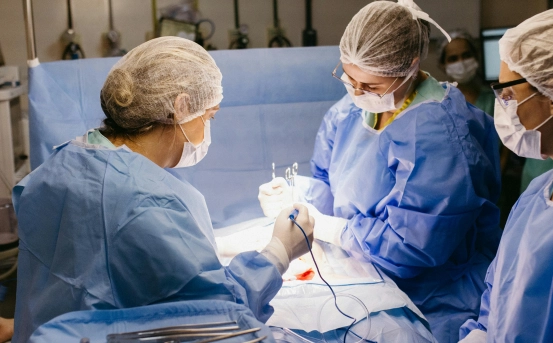
Adhesiolysis surgery is the medical procedure aimed at removing or separating adhesions to restore normal tissue and organ function. The surgery can be performed using two main approaches
- Laparoscopic Adhesiolysis :- Also called minimally invasive surgery, laparoscopy involves small incisions through which a camera and surgical instruments are inserted. The surgeon carefully identifies and separates adhesions under visual guidance. Benefits of laparoscopic adhesiolysis include
- Minimal post-operative pain
- Reduced risk of new adhesion formation
- Shorter hospital stays
- Faster recovery
- Open (Laparotomy) Adhesiolysis :- In cases of extensive or complicated adhesions, open surgery may be necessary. This traditional approach involves a larger incision, providing the surgeon with direct access to affected areas. While recovery may take longer, open adhesiolysis ensures thorough treatment of severe adhesions.
Indications for Adhesiolysis Surgery
Not all adhesions require surgical intervention. Adhesiolysis is typically recommended when patients experience significant symptoms affecting their daily life. Common indications include
- Intestinal obstruction: Adhesions causing blockage or restricted bowel movement
- Chronic pelvic pain: Pain persisting despite conservative treatments
- Infertility issues: Particularly in women with fallopian tube adhesions
- Compromised organ function: Adhesions affecting organs like the bladder or uterus
Your surgeon will assess symptoms, medical history, and imaging results such as ultrasound, CT scan, or MRI before recommending adhesiolysis.
Preparing for Adhesiolysis Surgery
Proper preoperative preparation is crucial for a safe and successful adhesiolysis procedure. Key steps include
- Medical evaluation: Blood tests, imaging, and a detailed medical history
- Medication review: Certain medications may need to be adjusted before surgery
- Fasting instructions: Patients are usually asked to avoid food and drink for a specific period before surgery
- Discussion of risks and benefits: Surgeons explain potential complications, recovery timelines, and expected outcomes
The Adhesiolysis Procedure: Step by Step
- Anesthesia Administration: The patient receives general anesthesia to ensure comfort and immobility.
- Accessing the Abdomen/Pelvis: Laparoscopic or open surgical techniques are used to reach the adhesions.
- Adhesion Removal: Surgeons carefully separate fibrous tissue to prevent damage to surrounding organs.
- Hemostasis and Closure: Any bleeding is controlled, and incisions are closed with sutures or surgical staples.
- Post-Operative Monitoring: Patients are monitored in recovery to ensure vital signs are stable and pain is managed effectively.
Recovery After Adhesiolysis Surgery
Recovery time depends on the type and extent of surgery. Laparoscopic patients often resume normal activities within 1–2 weeks, while open surgery patients may require 4–6 weeks for full recovery.
Post-operative care includes
- Pain management: Prescription medications or over-the-counter pain relievers
- Wound care: Keeping incisions clean and dry to prevent infection
- Diet and hydration: Gradually reintroducing normal foods, especially after bowel surgery
- Follow-up appointments: Regular check-ups to monitor healing and detect complications early
Benefits of Adhesiolysis Surgery
Adhesiolysis surgery offers several advantages for patients suffering from adhesions
- Relief from chronic abdominal or pelvic pain
- Resolution of bowel obstructions and digestive issues
- Improved fertility in women with reproductive organ adhesions
- Enhanced overall quality of life and mobility
Risks and Considerations
As with any surgical procedure, adhesiolysis carries potential risks, including
- Bleeding or infection
- Injury to surrounding organs (e.g., bowel, bladder, or reproductive organs)
- Recurrence of adhesions
- Anesthesia-related complications
Choosing an experienced surgeon and following pre- and post-operative instructions significantly reduces these risks.
Conclusion
Adhesiolysis surgery is a safe and effective solution for patients suffering from symptomatic adhesions. By carefully separating fibrous bands, surgeons can restore organ function, alleviate pain, and improve overall quality of life. Early consultation with a specialist is essential for proper diagnosis and treatment planning. If you are experiencing chronic abdominal or pelvic pain, bowel obstruction, or fertility challenges due to adhesions, adhesiolysis surgery could be the key to reclaiming your health and comfort.