Introduction
Orchidopexy is a common surgical procedure performed to correct undescended testicles (cryptorchidism) or to treat testicular torsion. It is usually done in childhood, but sometimes adults may also undergo the surgery if the condition was untreated earlier. If you or your child has been advised to undergo orchidopexy, it’s natural to want clarity about the symptoms that lead to this surgery as well as the symptoms that may occur after it.
What Is Orchidopexy?
Orchidopexy is a surgical procedure in which the surgeon moves an undescended testicle into its correct position in the scrotum and fixes it there. It is also used during emergency treatment for testicular torsion, where the testicle twists and cuts off its own blood supply. The surgery is safe, effective, and usually performed under general anesthesia. Early correction is essential to avoid future complications like infertility, hernias, hormonal issues, or increased cancer risk.
Symptoms of Orchidopexy Surgery
Many parents or individuals become aware of the need for orchidopexy due to certain symptoms or physical findings. Here are the major symptoms and signs that indicate surgery may be necessary:
- Undescended Testicle (Primary Symptom) :- The clearest sign that orchidopexy is needed is when one or both testicles are not present in the scrotum. Instead, the testicle may be:
- In the groin area
- Inside the abdomen
- Partially descended but not in the correct position
Parents often notice that the scrotum appears flat or uneven, especially during bathing or diaper changes. A missing testicle is usually painless, but it requires timely medical evaluation.
- Groin Lump or Swelling :- Sometimes an undescended testicle can appear as a lump in the groin. This may be mistaken for a hernia or normal swelling.
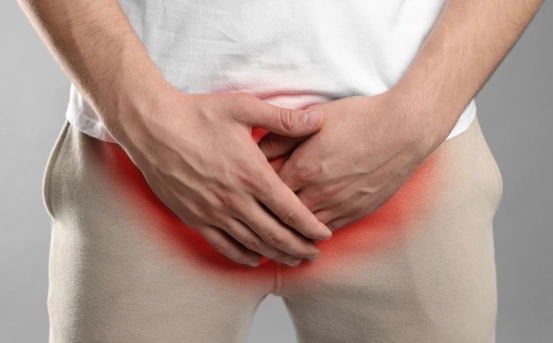
If the lump is firm, does not move, or causes discomfort, a pediatrician or urologist may advise orchidopexy to place the testicle correctly and prevent complications. - Pain in the Scrotum or Groin (Common in Testicular Torsion) :- Severe, sudden pain in the testicle or groin is often related to testicular torsion. This is a medical emergency and requires urgent surgery—often orchidopexy—to untwist and fix the testicle.
Common symptoms include:
- Sudden sharp testicular pain
- Swelling on one side of the scrotum
- Nausea or vomiting
- High-riding testicle
If these symptoms occur, immediate medical attention is critical.
- Lower Abdominal Pain :- A testicle that is stuck inside the abdomen can sometimes cause dull pain or discomfort, especially in active children.
This is a less common symptom but may warrant imaging tests and early orchidopexy if confirmed. - Fertility Concerns or Hormonal Issues :- In adolescents or adults, an untreated undescended testicle may cause:
- Decreased sperm production
- Reduced testosterone levels
- Infertility risks
Doctors may recommend orchidopexy even later in life to reduce risks and improve reproductive health.
Post-Surgery Symptoms of Orchidopexy (What Patients May Experience)
Understanding what symptoms are normal after orchidopexy and what symptoms require medical attention is important for a smooth recovery. Below are the most common post-surgery symptoms:
Normal Symptoms After Orchidopexy
These symptoms are usually temporary and improve with rest and medication.
- Mild Pain or Discomfort :- Most patients, especially children experience small amounts of discomfort for a few days. This is normal and managed with prescribed painkillers.
Pain usually decreases within 48–72 hours. - Swelling or Bruising :- Light bruising of the scrotum or groin area is common.
The swelling may increase slightly in the first 24 hours and then gradually settle. Cold compresses can help. - Redness Around the Incision :- Mild redness near the surgical incision is normal. It indicates healing.
However, it should not worsen or become hot and extremely tender - Pulling or Tight Sensation in the Groin :- Because the testicle is fixed in a new position, some children or adults feel a tight or pulling sensation.
This usually improves within 1–2 weeks as the tissues heal. - Reduced Activity or Irritability in Children :- Young children may become slightly fussy or less active for a day or two.
This is typically due to anesthesia or discomfort and is not a cause for concern.
Concerning Symptoms After Orchidopexy (What Needs Medical Attention)
While orchidopexy is safe, knowing the warning signs helps ensure quick treatment if needed.
- High Fever :- A fever above 100.4°F (38°C) may indicate infection and should be reported to the doctor.
- Increasing Pain Instead of Improvement :- If the pain gets worse after the third day instead of improving, it may be a sign of complications.
- Excessive Swelling or Hard Lump :- Moderate swelling is normal, but a sudden large swelling or a hard, painful mass may require urgent evaluation.
- Foul-Smelling Discharge From the Surgical Site :- Yellow or green discharge, pus, or bleeding from the incision may indicate infection.
- The Testicle Seems Missing or Has Moved Up :- Sometimes, due to tension or healing issues, the testicle might appear higher in the scrotum.
This requires reassessment by the surgeon.
Recovery Tips After Orchidopexy
To ensure smooth healing, follow these guidelines:
- Keep the surgical area clean and dry
- Avoid bathing for the duration the doctor recommends
- Prevent strenuous activity for 1–2 weeks
- Ensure children do not ride cycles or engage in rough play
- Follow medicines and follow-up schedules carefully
With proper care, most patients recover within 7–10 days.
When to Consult a Doctor Immediately
Seek medical help if you notice:
- Continuous vomiting
- Inability to urinate
- Testicle becoming extremely hard
- Severe redness spreading around the incision
- Persistent bleeding
Prompt attention ensures that complications are handled early.
Conclusion
Orchidopexy is a safe and highly effective surgery that corrects undescended testicles or treats testicular torsion. Recognizing the symptoms that indicate the need for surgery—such as a missing testicle, groin swelling, or scrotal pain helps ensure timely treatment. After the procedure, mild discomfort, swelling, and redness are normal, but symptoms like high fever, extreme pain, or abnormal discharge require medical attention.