Introduction
Choledochojejunostomy is a complex surgical procedure performed to bypass the common bile duct and attach it directly to the jejunum (a part of the small intestine). It is commonly done for conditions such as bile duct obstruction, strictures, pancreatic cancer, choledocholithiasis (bile duct stones), or complications after gallbladder surgery.
While this surgery effectively restores bile flow, it is natural for patients and caregivers to wonder what symptoms may appear after the procedure, which ones are normal, and which require immediate medical attention.
Understanding Choledochojejunostomy and the Healing Process
The surgery creates a new passage for bile drainage by connecting the bile duct to the jejunum. Since the biliary system plays a vital role in digestion and detoxification, the body needs time to adjust after surgery. Patients may experience several symptoms during recovery, some are common and temporary, while others may indicate complications. Knowing the difference helps ensure safe recovery and timely treatment when required.
Common Symptoms of Choledochojejunostomy Surgery
Below are the symptoms patients most commonly experience after surgery. These are usually temporary and improve gradually with proper care.
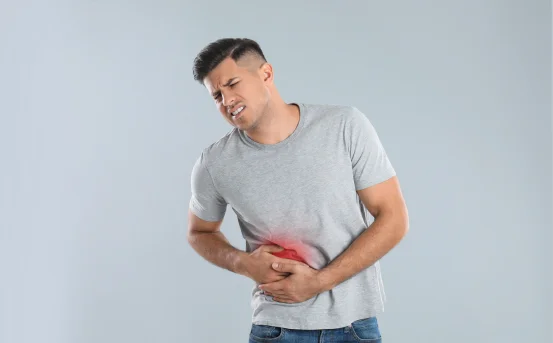
- Mild Abdominal Pain or Discomfort :- Some degree of abdominal pain is expected after major abdominal surgery. Patients may feel soreness around the incision site, pressure in the upper abdomen, or discomfort when moving or coughing.
This improves within a few days as the wound heals and the body settles into its new bile drainage pattern.
When to worry :- If pain suddenly increases, becomes sharp, or is associated with fever — this may indicate infection, bile leak, or obstruction.
- Bloating and Gas Formation :- Temporary bloating, gas discomfort, or fullness is common because the intestines become sluggish after surgery. The digestive system needs time to resume normal movements.
Walking, hydration, and a soft diet usually help reduce these symptoms.
- Fatigue and Weakness :- The body uses significant energy for healing, making patients feel tired, sleepy, or low in energy. Fatigue may last for 2–4 weeks depending on the patient’s overall health, age, and reason for surgery.
Adequate nutrition, hydration, and rest are essential for recovery.
- Nausea or Vomiting :- Nausea may occur due to anesthesia effects, pain medications, or slow bowel movement after surgery.
It typically settles within a few days.
Seek help if: Vomiting is persistent, bile-colored, or accompanied by severe abdominal cramps this could indicate obstruction or an ileus.
Symptoms That May Indicate Complications
While most symptoms after choledochojejunostomy are normal, certain symptoms need immediate medical attention. Early detection helps prevent serious complications.
- Persistent Fever or Chills :- A fever above 100.4°F (38°C) may indicate
- Infection at the incision site
- Bile leak
- Intra-abdominal abscess
- Cholangitis (infection of the bile ducts)
Do not ignore persistent fever contact your surgeon immediately.
- Yellowing of Skin or Eyes (Jaundice) :- Jaundice after surgery may suggest
- Obstruction of the created bile passage
- Stricture formation
- Inadequate bile drainage
- Infection
Early diagnosis is essential to prevent liver damage.
- Severe Abdominal Pain or Increasing Swelling :- Sharp or worsening abdominal pain can indicate
- Internal bleeding
- Bile duct leak
- Intestinal obstruction
- Pancreatitis
If the abdomen becomes hard, swollen, or painful, seek emergency care.
- Persistent Vomiting or Inability to Eat :- This may signal
- Bowel obstruction
- Anastomotic complications
- Post-operative ileus
- Infection or leak
Early treatment prevents dehydration and malnutrition.
- Foul-Smelling or Pus-Like Discharge from the Wound :- Signs such as redness, warmth, discharge, or severe tenderness around the incision suggest surgical site infection.
Long-Term Symptoms to Monitor After Choledochojejunostomy
Some symptoms may appear weeks or months after surgery. These should not be ignored:
- Recurring Jaundice :- If jaundice returns months after surgery, it may indicate
- Anastomotic narrowing (stricture)
- Tumor recurrence (in cancer cases)
- Stone formation in the bile ducts
Regular follow-up imaging helps detect issues early.
- Repeated Digestive Issues :- Some patients may experience
- Fatty food intolerance
- Bloating
- Indigestion
- Loose stools
This happens when bile flow timing becomes irregular. Diet modifications and medications often help manage these long-term symptoms.
- Unexplained Weight Loss :- Significant or unexplained weight loss could be due to malabsorption, chronic infection, or recurrent obstruction none of which should be overlooked.
- Recurrent Cholangitis
Cholangitis (bile duct infection) may recur in some patients and can present with
- Fever
- Jaundice
- Right-upper abdominal pain
This requires immediate hospitalization and antibiotic therapy.
How to Reduce Symptoms and Ensure Smooth Recovery
Here are some essential care tips to minimize symptoms
- Follow a soft, low-fat diet initially :- Fatty foods may cause discomfort. Gradually increase dietary variety as digestion improves.
- Stay well-hydrated :- Drinking enough water helps digestion and prevents constipation.
- Take medications exactly as prescribed :- Antibiotics, pain relievers, or digestive enzymes support recovery.
- Avoid heavy lifting for at least 6–8 weeks :- This prevents strain on the surgical site.
- Keep follow-up appointments :- Regular imaging and blood tests help detect complications early.
- Monitor your incision daily :- Check for redness, swelling, or discharge.
When Should You Call Your Doctor?
Seek immediate medical attention if you notice
- High fever
- Increasing abdominal pain
- Persistent jaundice
- Repeated vomiting
- Sudden weight loss
- Severe diarrhea
- Drainage from incision
- Dark urine or pale stools
Prompt evaluation ensures safe healing and prevents critical complications.
Conclusion
Choledochojejunostomy is a life-improving surgery for patients dealing with bile duct obstruction or severe hepatobiliary conditions. While mild symptoms such as fatigue, bloating, discomfort, or temporary digestive changes are normal, it is important to recognize warning signs like persistent fever, jaundice, severe abdominal pain, or vomiting.
Understanding these symptoms helps patients stay alert, recover confidently, and seek timely medical guidance whenever needed. With proper follow-up care and lifestyle adjustments, most patients achieve excellent long-term outcomes after choledochojejunostomy surgery.