Introduction
Sebaceous cysts are one of the most common benign skin conditions people experience in everyday life. They may look small or harmless at first, but ignoring a sebaceous cyst can lead to infection, discomfort, or cosmetic concerns. That is why accurate diagnosis of a sebaceous cyst is crucial for timely treatment and long-term relief. A sebaceous cyst also known as an epidermoid cyst or keratin cyst is a noncancerous bump that forms beneath the skin. It usually develops due to clogged sebaceous glands or trapped skin cells. These cysts appear commonly on the face, neck, scalp, back, and even private areas. Although harmless, their appearance, swelling, and occasional infection make proper diagnosis important.
Why Accurate Diagnosis Matters
Most people mistake sebaceous cysts for lipomas, boils, abscesses, or acne nodules. Misdiagnosis can delay treatment or lead to unnecessary procedures. Proper evaluation by a skin specialist helps identify:
- Whether the lump is a sebaceous cyst or something more serious
- The size, depth, and nature of the cyst
- Possible signs of infection
- The best treatment approach, including surgical removal if required
Accurate diagnosis also ensures that conditions like dermoid cysts, pilar cysts, and soft-tissue tumors are ruled out.
How Doctors Diagnosis of Sebaceous Cyst
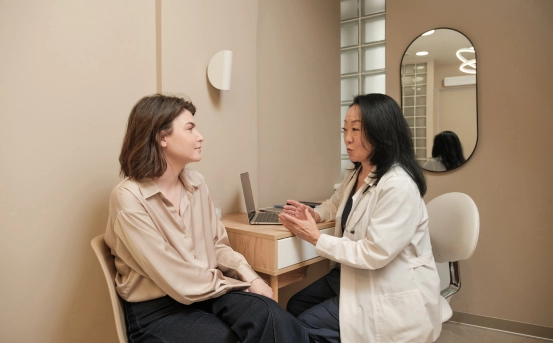
- Physical Examination – The First Step :- A dermatologist or general surgeon begins with a detailed physical exam. They evaluate:
- Shape and size of the lump
- Texture: soft, firm, rubbery, or hard
- Mobility: whether the cyst moves under the skin
- Presence of a central punctum (small opening)
- Signs of redness, warmth, or tenderness
Most sebaceous cysts have a visible punctum, which helps differentiate them from other types of lumps.
- Patient History & Symptoms :- The doctor may ask questions such as:
- How long has the lump been present?
- Has it changed in size?
- Is there any pain or discharge?
- Any history of similar cysts?
- Have you tried squeezing it at home?
These details support an accurate clinical diagnosis.
- Ultrasound Scan :- While many cysts are diagnosed by physical examination alone, doctors sometimes recommend an ultrasound.
Ultrasound helps in identifying:
- Whether the cyst is filled with fluid, keratin, or solid tissue
- The exact size and boundaries
- Whether the cyst is attached to deeper tissues
- If it is actually a lipoma or an abscess
This imaging test is safe, painless, and highly reliable.
- Fine Needle Aspiration (FNA) :- In rare cases, if the cyst appears unusual or does not match typical features, the doctor may perform Fine Needle Aspiration. A small needle is inserted to extract a tiny sample. This helps determine:
- Presence of infection
- Nature of the cyst contents
- Whether further investigation is needed
- Biopsy (Only if Necessary) :- If the cyst is recurring, very large, or shows suspicious changes, a biopsy may be performed. This is mainly done to rule out:
- Skin cancer
- Rare tumors
- Deep tissue growths
However, most sebaceous cysts do not require a biopsy.
Common Signs & Symptoms That Suggest a Sebaceous Cyst
Not all bumps are cysts. Here are key indicators:
- Smooth, round bump under the skin
- Slow, gradual growth
- A central white or black dot (punctum)
- Soft or firm, depending on age of cyst
- Painless unless infected
When infected, you may experience:
- Redness
- Swelling
- Tenderness
- Pus discharge
- Foul smell
If you notice any of these symptoms, especially rapid swelling, consult a doctor immediately.
When Should You See a Doctor?
You should seek medical evaluation if:
- The cyst is painful or growing
- It looks infected
- It keeps coming back
- It affects your daily activities
- It is located in a sensitive or visible area
- You are unsure whether it is a cyst or something else
Home remedies or squeezing can worsen the infection. Professional diagnosis is always the safest approach.
Treatment Options After Diagnosis
Once a sebaceous cyst is diagnosed accurately, the doctor may suggest:
- Observation :- If the cyst is small and painless, monitoring may be recommended.
- Medications :- For infected cysts, antibiotics may be prescribed.
- Surgical Removal :- The most effective and permanent solution is sebaceous cyst removal surgery. This is a quick, safe, and minimally invasive procedure.
- Incision & Drainage :- For painful, pus-filled cysts, drainage may be performed, followed by later removal if needed.
Prevention Tips After Diagnosis
- Avoid squeezing or poking the cyst
- Maintain good hygiene
- Treat acne or oily skin promptly
- Avoid friction or pressure over cyst-prone areas
These steps help reduce recurrence.
Conclusion
The diagnosis of a sebaceous cyst is usually simple but extremely important for proper management. Early identification helps prevent infection, discomfort, and unnecessary complications. If you notice any unusual lump on your skin, consult a qualified medical professional for a confirmed diagnosis and treatment plan.