Introduction
Sebaceous cysts are one of the most common skin concerns people face today. Although they are usually harmless, these small, slow-growing bumps can cause discomfort, swelling, and embarrassment especially if they appear on visible areas like the face, neck, or scalp. The good news? With the right treatment, sebaceous cysts can be safely managed or removed with minimal downtime. Here will guide you through everything you need to know about the treatment of sebaceous cyst, when to seek medical help, and why proper care is essential for long-term skin health.
What Is a Sebaceous Cyst?
A sebaceous cyst also known as an epidermoid or keratin cyst is a closed sac under the skin filled with keratin or oily material. They often form due to clogged sebaceous glands, hormonal changes, or minor skin trauma. Sebaceous cysts typically grow slowly and are non-cancerous, but when infected or inflamed, they can become painful and require medical attention.
Why Treat a Sebaceous Cyst?
While some cysts remain small and harmless, many people choose treatment because of:
- Pain or infection
- Cosmetic concerns
- Rapid growth
- Recurring cysts causing discomfort
- Foul-smelling discharge from the cyst
Early treatment helps prevent complications and ensures faster healing.
Best Treatment Options for Sebaceous Cysts
- Medical Evaluation ;- The first step is visiting a dermatologist or a general surgeon. They will examine the cyst, check for infection, and suggest the most suitable treatment. Self-diagnosis or squeezing the cyst is strongly discouraged, as it can worsen inflammation.
- Warm Compress :- For small, non-infected cysts, applying a warm compress can help reduce swelling and promote natural drainage. Although this doesn’t remove the cyst completely, it can relieve discomfort temporarily.
- Antibiotic Treatment (If Infected) :- If the cyst becomes red, warm, or painful, it may be infected. In such cases, doctors prescribe oral or topical antibiotics to control the infection before planning further treatment. Remember, antibiotics alone won’t remove the cyst they only treat the infection.
- Incision and Drainage :- This is a quick clinic procedure where the doctor makes a small cut to drain the cyst’s contents. It provides immediate relief from pressure and pain. However, the cyst wall remains intact, meaning there is a chance it may return. This method is ideal for infected or painful cysts.
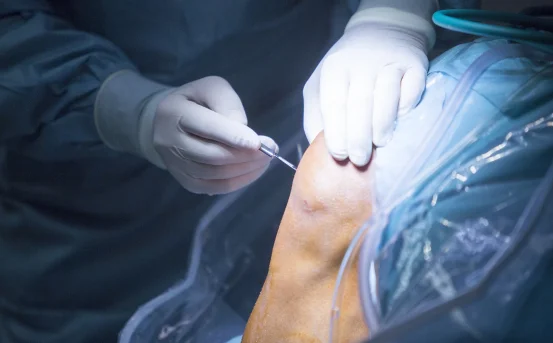
- Complete Surgical Excision (Permanent Solution) :- Surgical excision is the gold-standard treatment for sebaceous cysts. In this method, the doctor removes the entire cyst sac and its contents, preventing recurrence. It is a safe, minor procedure done under local anesthesia and usually takes 15–20 minutes. Once removed, the cyst rarely comes back.
Benefits of Surgical Excision:
- Permanent solution
- Minimal scarring
- Quick procedure
- Low recurrence rate
- Laser-Assisted Removal :- Some clinics offer laser-assisted cyst removal, which helps reduce scarring and provides a cleaner outcome. It is ideal for cysts located on sensitive or visible areas like the face.
Aftercare Tips for Sebaceous Cyst Treatment
Proper aftercare is essential to ensure smooth healing:
- Keep the area clean and dry
- Avoid touching or pressing the treated area
- Follow prescribed antibiotics or ointments
- Attend follow-up visits if advised
- Protect the skin from sunlight to minimize scarring
Following these simple steps can significantly reduce infection risk and speed up recovery.
Can a Sebaceous Cyst Go Away on Its Own?
In some cases, small cysts may shrink, but they rarely disappear completely without medical treatment. Attempting to pop or squeeze a cyst at home can cause infection, scarring, or deeper skin damage. Professional evaluation is always recommended.
When Should You See a Doctor?
Seek medical help immediately if you notice:
- Rapid growth of the cyst
- Severe pain or redness
- Pus or foul odor
- Fever or spreading infection
- Recurring cyst at the same spot
These are signs that treatment is necessary.
Preventing Sebaceous Cysts
While not all cysts can be prevented, adopting proper skin care can reduce risk:
- Maintain good personal hygiene
- Avoid harsh skin products
- Treat acne or skin infections promptly
- Protect skin from injuries
- Keep pores clean and unclogged
Healthy skin habits go a long way in preventing cyst formation.
Conclusion
Sebaceous cysts are common and usually harmless, but timely and proper treatment ensures they don’t turn into painful or recurring problems. Whether you opt for drainage or complete surgical removal, choosing a skilled medical professional guarantees safe and effective results. If you notice a cyst on your body that causes discomfort or cosmetic concern, don’t ignore it professional treatment offers a quick, long-lasting solution.