Introduction
Stomach cancer, also known as gastric cancer, is a serious health condition that occurs when abnormal cells grow uncontrollably in the lining of the stomach. It is a complex disease that can affect anyone but is more common in older adults, particularly those above 50 years of age. Early detection and treatment are crucial for improving survival rates, making awareness about stomach cancer more important than ever.
What is Stomach Cancer
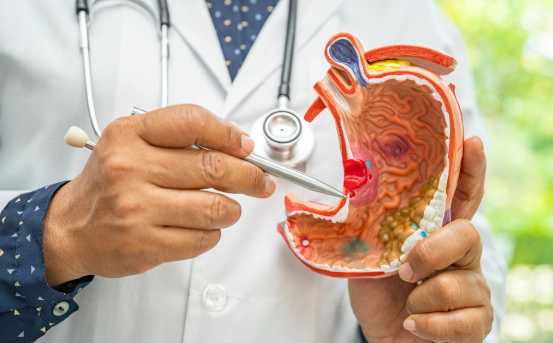
Stomach cancer develops when the cells in the stomach lining undergo mutations, leading to uncontrolled growth. These cancerous cells can form tumors, invade nearby tissues, and even spread to other parts of the body through the bloodstream or lymphatic system. The most common type of stomach cancer is adenocarcinoma, which begins in the mucus-producing cells of the stomach lining. Other rarer types include lymphoma, gastrointestinal stromal tumors (GISTs), and carcinoid tumors.
Risk Factors of Stomach Cancer
Several factors increase the risk of developing stomach cancer. Understanding these risk factors can help individuals take preventive measures
- Age and Gender: Men are more likely to develop stomach cancer than women, especially after the age of 50.
- Dietary Habits: High consumption of salty, smoked, or processed foods increases the risk. A diet low in fruits and vegetables is also a contributing factor.
- Helicobacter pylori Infection: Chronic infection with H. pylori bacteria, which causes stomach inflammation and ulcers, is strongly linked to gastric cancer.
- Family History: A history of stomach cancer in close relatives may increase the likelihood of developing the disease.
- Smoking and Alcohol: Tobacco use and excessive alcohol consumption are known risk factors.
- Medical Conditions: Conditions like pernicious anemia, chronic gastritis, and intestinal metaplasia may elevate the risk.
Symptoms of Stomach Cancer
Stomach cancer is often difficult to detect in its early stages because the symptoms can be subtle and similar to common digestive problems. Some of the most common signs include
- Persistent indigestion or heartburn
- Unexplained weight loss
- anemia
- Nausea and vomiting, sometimes with blood
- Abdominal pain or discomfort, especially in the upper abdomen
- Loss of appetite
- Feeling full quickly after eating small meals
- Swelling or fluid accumulation in the abdomen
If any of these symptoms persist for more than a few weeks, it is essential to seek medical advice promptly. Early detection significantly improves treatment outcomes.
Diagnosis of Stomach Cancer
Diagnosing stomach cancer involves a combination of medical history, physical examination, and advanced diagnostic tests. Key methods include
- Endoscopy: A thin, flexible tube with a camera (endoscope) is inserted into the stomach to visualize abnormalities. A biopsy may be taken for microscopic examination.
- Imaging Tests: CT scans, PET scans, and X-rays help determine the tumor’s size and whether it has spread.
- Blood Tests: While not definitive, blood tests can detect anemia or other abnormalities that may indicate stomach cancer.
- Endoscopic Ultrasound (EUS): This procedure combines endoscopy and ultrasound to assess tumor depth and nearby lymph nodes.
Early diagnosis increases the chances of successful treatment, so it is crucial not to ignore persistent gastrointestinal symptoms.
Stages of Stomach Cancer
Stomach cancer is classified into stages based on the extent of spread
- Stage 0 (Carcinoma in situ): Cancer cells are present only in the innermost lining of the stomach.
- Stage I: Cancer has grown into deeper layers but is still localized.
- Stage II & III: Cancer invades deeper layers and may involve nearby lymph nodes or tissues.
- Stage IV: Cancer has spread to distant organs, such as the liver, lungs, or peritoneum.
Staging helps doctors determine the most effective treatment strategy and predict prognosis.
Treatment Options for Stomach Cancer
The treatment approach for stomach cancer depends on the stage, location of the tumor, and overall health of the patient. Common options include
- Surgery :- Surgery is often the primary treatment for localized stomach cancer. Types of surgery include
- Subtotal (partial) gastrectomy: Removal of part of the stomach containing the tumor.
- Total gastrectomy: Complete removal of the stomach, with reconstruction of the digestive tract.
- Lymph node removal: Often performed along with stomach removal to prevent cancer spread.
- Chemotherapy :- Chemotherapy uses drugs to destroy cancer cells or shrink tumors before surgery (neoadjuvant therapy) or to eliminate remaining cells after surgery (adjuvant therapy). It may also be used for advanced cancer to relieve symptoms.
- Radiation Therapy :- Radiation therapy targets cancer cells with high-energy rays. It is often combined with chemotherapy, especially for locally advanced tumors.
- Targeted Therapy and Immunotherapy :- For advanced or metastatic stomach cancer, targeted therapy drugs attack specific molecules involved in cancer growth, while immunotherapy boosts the body’s immune system to fight cancer cells.
Preventive Measures
While not all cases of stomach cancer can be prevented, certain lifestyle changes can significantly reduce risk
- Maintain a diet rich in fruits, vegetables, and whole grains.
- Limit intake of processed, smoked, or salty foods.
- Avoid smoking and excessive alcohol consumption.
- Treat H. pylori infections promptly.
- Get regular medical checkups if there is a family history of stomach cancer.
Living with Stomach Cancer
A diagnosis of stomach cancer can be overwhelming, but with timely treatment and support, many patients lead fulfilling lives. Nutritional support, counseling, and support groups can help manage the physical and emotional challenges of the disease. Regular follow-ups are crucial to monitor recovery and detect any recurrence early.
Conclusion
Stomach cancer is a serious but treatable condition if detected early. Awareness of risk factors, symptoms, and preventive measures can save lives. Early diagnosis through endoscopy, imaging, and biopsy plays a vital role in improving treatment outcomes. With advances in surgery, chemotherapy, and targeted therapies, patients now have more options than ever to combat this disease. If you experience persistent digestive symptoms or have risk factors for stomach cancer, consult a qualified healthcare professional immediately.