Introduction
Stomach cancer also known as gastric cancer is a serious condition that begins when abnormal cells develop in the stomach lining. Early diagnosis and modern medical advancements have significantly improved treatment outcomes, offering patients multiple options based on cancer stage, overall health, and specific tumour characteristics. In this comprehensive, SEO-friendly guide, we explore the primary methods used for the treatment of stomach cancer, how they work, and what patients can expect during recovery.
Understanding Stomach Cancer
Stomach cancer typically develops over many years. Early symptoms are often vague such as indigestion, nausea, or loss of appetite making early detection challenging. That is why timely diagnosis through endoscopy, imaging tests, and biopsies plays a crucial role in determining the most effective treatment plan. Stomach cancer treatment usually involves a combination of surgery, chemotherapy, radiation therapy, targeted drugs, and immunotherapy depending on how advanced the disease is.
Treatment of Stomach Cancer
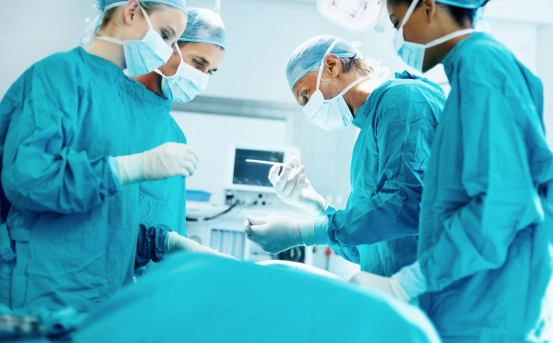
- Surgery for Stomach Cancer :- Surgery is the most common and effective treatment, especially when the cancer is detected early. Surgeons may remove part or all of the stomach along with nearby lymph nodes to prevent the spread of cancer.
- Partial Gastrectomy :- This procedure removes only the affected portion of the stomach. It is often recommended when cancer is located in the lower or middle area of the stomach. Patients can usually return to normal eating habits, though in smaller portions.
- Total Gastrectomy :- If cancer has spread throughout the stomach, a complete removal is required. The esophagus is attached directly to the small intestine to maintain digestive function. Patients may need nutritional support and regular follow-ups.
- Minimally Invasive Surgery :- Laparoscopic or robotic surgery is increasingly used for early-stage stomach cancer. These techniques result in smaller incisions, reduced pain, and faster recovery times.
- Recovery from Surgery :- Recovery varies depending on the type of surgery performed. Patients often require a hospital stay, a temporary change in diet, and gradual reintroduction to normal activities. Nutritional counselling is a crucial part of post-surgery recovery.
- Chemotherapy for Stomach Cancer :- Chemotherapy uses powerful drugs to kill cancer cells or stop them from multiplying. It can be given before surgery (neoadjuvant therapy) to shrink the tumour or after surgery (adjuvant therapy) to eliminate any remaining cancerous cells.
- Neoadjuvant Chemotherapy :- This helps reduce tumour size, making surgery more effective and increasing the chance of complete removal.
- Adjuvant Chemotherapy :- After surgery, chemotherapy helps destroy microscopic cancer cells that cannot be seen on scans or during surgery.
Chemotherapy may also be used alone for advanced stomach cancer or when the disease has spread to other organs. Side effects vary from person to person but may include fatigue, nausea, hair loss, and decreased appetite. Modern anti-nausea medications have improved comfort for patients undergoing treatment.
- Radiation Therapy :- Radiation therapy uses high-energy rays to target and destroy cancer cells. It is often combined with chemotherapy, a combination known as chemoradiation to improve effectiveness.
When is Radiation Recommended?
- After surgery to reduce the risk of recurrence
- Before surgery to shrink the tumour
- To manage symptoms in advanced cancer, such as bleeding or pain
Doctors now use advanced radiation techniques that minimize exposure to surrounding healthy tissue, which reduces side effects.
- Targeted Therapy for Stomach Cancer :- Targeted therapy is a modern cancer treatment that attacks specific proteins or genetic changes within cancer cells. Unlike chemotherapy, targeted drugs focus only on cancerous tissue, often resulting in fewer side effects.
- HER2-Targeted Therapy :- Approximately 20% of stomach cancer patients test positive for HER2, a protein that promotes cancer growth. Drugs like trastuzumab are used to block this protein, slowing tumour progression.
- Anti-Angiogenesis Drugs :- These medications prevent cancer from forming new blood vessels, essentially starving the tumour. Ramucirumab is a commonly used drug in this category.
Targeted therapy is especially useful for advanced or recurrent stomach cancer and is often combined with chemotherapy for better results.
- Immunotherapy for Stomach Cancer :- Immunotherapy helps the body’s immune system recognize and attack cancer cells. It is particularly effective for certain types of advanced stomach cancer, especially when tumours have specific genetic markers like PD-L1 expression or MSI-H (microsatellite instability-high). Commonly used immunotherapy drugs include pembrolizumab and nivolumab. They may be used when other treatments are no longer effective or in combination with chemotherapy for improved outcomes.
- Palliative Care for Advanced Stomach Cancer :- For patients with advanced or metastatic stomach cancer, palliative care plays an essential role. This does not mean giving up on treatment; instead, it focuses on improving quality of life by managing pain, difficulty swallowing, nausea, and other debilitating symptoms.
Palliative treatments may include
- Medications for symptom relief
- Radiation therapy to reduce tumour-related discomfort
- Nutritional support
- Emotional and psychological counselling
- Nutrition and Lifestyle During Treatment :- Nutrition is a vital part of recovery and ongoing treatment for stomach cancer. After surgery or during chemotherapy, patients may struggle with appetite changes, weight loss, or digestion issues. Doctors often recommend
- Eating small, frequent meals
- Consuming high-protein, high-calorie foods
- Taking vitamin supplements as needed
- Avoiding sugary foods to prevent “dumping syndrome” after gastrectomy
Regular physical activity, stress management, and quitting smoking also support better treatment outcomes.
- Prognosis and Survival Rates :- Survival rates depend heavily on the stage of cancer at diagnosis. Early-stage stomach cancer has a significantly better prognosis than advanced cancer. Thanks to advancements in medical technology, multidisciplinary care, early detection, and personalized treatment plans, patient outcomes are continually improving.
Regular follow-up appointments help detect recurrence early and manage long-term side effects of treatment.
Conclusion
Treatment of stomach cancer involves a combination of surgery, chemotherapy, radiation therapy, targeted therapy, and immunotherapy. Each patient’s treatment journey is unique, and doctors develop personalized plans based on tumour stage, health condition, and genetic markers. With early diagnosis and modern treatment options, the chances of successful outcomes are higher than ever.