Introduction
Uterine cancer, also known as endometrial cancer, is one of the most common gynecological cancers affecting women worldwide. As the name suggests, it begins in the uterus specifically in the lining called the endometrium. Understanding what is uterine cancer, how it develops, its symptoms, risk factors, and available treatment options is essential for early detection and better outcomes.
What Is Uterine Cancer?
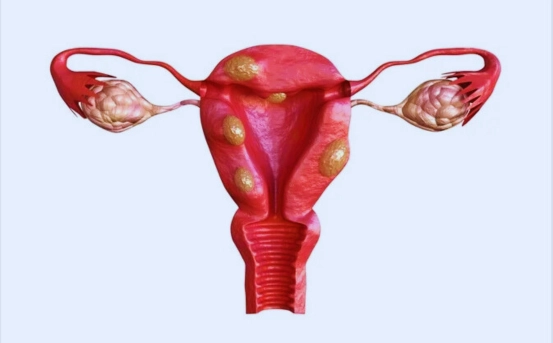
Uterine cancer occurs when abnormal cells in the uterus begin to grow uncontrollably. The uterus is a hollow, pear-shaped reproductive organ where a fertilized egg implants and grows during pregnancy. The inner lining, called the endometrium, thickens and sheds each month during menstruation. Cancer most commonly begins in this lining, which is why the most frequent type is known as endometrial cancer.
A less common but more aggressive type of uterine cancer is uterine sarcoma, which forms in the muscles or supporting tissues of the uterus. While endometrial cancer accounts for over 90% of cases, both types require prompt diagnosis and specialized treatment.
Types of Uterine Cancer
There are two primary types of uterine cancer
- Endometrial Carcinoma :- This is the most common and generally develops slowly. It begins in the cells of the endometrium. There are subtypes based on cellular characteristics, such as
- Endometrioid adenocarcinoma
- Serous carcinoma
- Clear cell carcinoma
- Uterine Sarcoma :- This rare and aggressive form arises in the muscle or connective tissue of the uterus. Common subtypes include
- Leiomyosarcoma
- Endometrial stromal sarcoma
- Undifferentiated sarcoma
What Causes Uterine Cancer?
While the exact cause of uterine cancer is unknown, hormonal imbalance plays a central role especially excess estrogen without adequate progesterone. Factors that increase exposure to estrogen or disrupt hormonal balance can elevate risk.
Key Risk Factors Include
- Age :- Uterine cancer is most commonly diagnosed in women over 50, particularly after menopause.
- Obesity :- Excess body fat increases estrogen levels, significantly raising risk.
- Hormonal Imbalances :- Women experiencing irregular periods, prolonged estrogen therapy, or polycystic ovary syndrome (PCOS) may be at higher risk.
- Family History and Genetic Conditions :- Conditions like Lynch syndrome (hereditary non-polyposis colorectal cancer) increase risk.
- Diabetes and Hypertension :- These metabolic conditions are often linked with increased incidence.
- Reproductive History :- Never having been pregnant may increase risk, as pregnancy reduces lifetime estrogen exposure.
- Prior Radiation Therapy :- Radiation to the pelvis for earlier cancers can contribute to uterine cancer development.
Understanding these risk factors can help women take preventive measures and seek timely medical evaluation.
Symptoms of Uterine Cancer
Early detection greatly improves survival rates, and recognizing the symptoms is the first step. The most common warning signs include
- Abnormal Vaginal Bleeding :- The most frequent symptom especially bleeding after menopause is a red flag.
- Pelvic Pain :- Persistent pain or pressure in the pelvis can indicate advanced disease.
- Unusual Vaginal Discharge :- Watery, bloody, or foul-smelling discharge should not be ignored.
- Pain During Intercourse :- Discomfort during sexual activity may signal uterine abnormalities.
- Unexplained Weight Loss :- Sudden weight loss with no clear cause warrants medical evaluation.
Any abnormal symptom related to the menstrual cycle or reproductive system should be assessed promptly.
How Is Uterine Cancer Diagnosed?
Accurate and early diagnosis is crucial. Doctors typically use a combination of tests, including
- Pelvic Examination :- A gynecologist checks the uterus, vagina, and other reproductive organs for abnormalities.
- Transvaginal Ultrasound :- This imaging test evaluates the thickness of the endometrial lining and detects irregular growths.
- Endometrial Biopsy :- A small tissue sample is collected and examined under a microscope this is the most definitive diagnostic test.
- Hysteroscopy :- A thin scope allows doctors to see inside the uterus and take targeted biopsies.
- Imaging Tests :- CT scans, MRI, and PET scans help determine the cancer’s spread (staging).
Once diagnosed, staging the cancer helps guide the most effective treatment plan.
Stages of Uterine Cancer
Uterine cancer is classified into four stages
- Stage I: Cancer limited to the uterus
- Stage II: Cancer has spread to the cervix
- Stage III: Cancer has spread beyond the uterus to nearby tissues
- Stage IV: Cancer has spread to distant organs like the bladder, lungs, or liver
Early-stage detection typically leads to better treatment outcomes.
Treatment Options for Uterine Cancer
Treatment depends on the type, stage, overall health, and whether fertility preservation is desired. Common treatments include
- Surgery :- The most common treatment, often involving
- Hysterectomy (removal of the uterus)
- Removal of ovaries and fallopian tubes
- Lymph node dissection
Minimally invasive laparoscopic or robotic surgeries are often used today.
- Radiation Therapy :- Targeted radiation destroys cancer cells. It may be given before surgery to shrink tumors or after surgery to prevent recurrence.
- Hormone Therapy :- Used mainly for cancers sensitive to hormones. It helps slow tumor growth by altering hormone levels.
- Chemotherapy :- Drugs are used to kill cancer cells, especially for advanced or aggressive cancers.
- Immunotherapy and Targeted Therapy :- Modern treatments that help the immune system attack cancer cells or target specific genetic changes.
Your doctor will determine the best approach based on clinical findings and personal health circumstances.
Can Uterine Cancer Be Prevented?
While not entirely preventable, certain lifestyle choices can lower risk
- Maintaining a healthy weight
- Managing diabetes and high blood pressure
- Using birth control pills (after discussing risks and benefits with a doctor)
- Treating hormonal disorders like PCOS
- Regular gynecological check-ups
Early detection remains the strongest tool in preventing complications.
Conclusion
Uterine cancer is a serious but often treatable condition when caught early. Understanding the causes, symptoms, diagnostic methods, and treatment options empowers women to take control of their reproductive health. Regular screenings, healthy lifestyle choices, and timely medical attention can greatly reduce risks and improve outcomes.