Introduction
Oral cancer is one of the most common cancers affecting people worldwide, and early detection plays a crucial role in improving treatment outcomes. Unfortunately, many individuals ignore early symptoms like persistent mouth sores, unexplained bleeding, or difficulty swallowing. Recognizing warning signs and getting timely diagnostic tests can make all the difference. In this detailed guide, we break down the importance, methods, and diagnosis of oral cancer , helping you understand what to expect and when to seek medical help.
Why Early Diagnosis of Oral Cancer Matters
Early-stage oral cancer is far easier to treat than cancers that have progressed to later stages. When detected early, treatment may be less invasive, recovery is faster, and survival rates increase significantly. Unfortunately, most oral cancer cases are diagnosed late because the symptoms often look similar to common dental issues like ulcers, infections, or gum diseases.
If you notice symptoms lasting more than two weeks such as non-healing sores, lumps, persistent pain, difficulty chewing, or changes in voice it’s essential to get evaluated by a dentist or oral specialist immediately.
Major Symptoms That Require Immediate Attention
Before the diagnostic process begins, a doctor will typically ask about symptoms and their duration. Some red flags include
- Persistent mouth sores or ulcers
- White or red patches (leukoplakia or erythroplakia)
- Difficulty chewing or swallowing
- Numbness in the mouth or lips
- Unexplained bleeding
- Lumps in the mouth, throat, or neck
- Voice changes or chronic sore throat
These symptoms don’t always mean cancer, but they do require a professional evaluation.
Step-by-Step Diagnosis Process for Oral Cancer
Diagnosing oral cancer involves a series of thorough tests conducted by oral surgeons, ENT specialists, oncologists, and dentists. Here’s what typically happens:
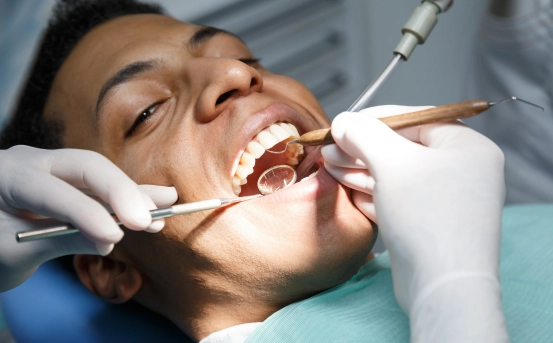
- Physical Examination :- The first step in diagnosing oral cancer is a comprehensive oral and neck examination. During this
- The doctor checks the lips, tongue, gums, cheeks, throat, and floor of the mouth
- Any suspicious growth, discoloration, or ulcer is inspected
- The neck is examined for swollen lymph nodes
- Painful or firm areas are assessed
This initial examination helps determine whether further testing is required.
- Endoscopy for Deeper Evaluation :- An endoscopic examination may be performed to view deeper areas of the throat and voice box. Using a flexible, thin tube with a camera, doctors can identify abnormalities that are not visible during a normal physical exam. This procedure is quick and usually done under local anesthesia.
- Biopsy – The Gold Standard for Diagnosis :- A biopsy is the most definitive way to confirm oral cancer. In this test, a small tissue sample is taken from the suspicious area and sent to a pathology lab.
Common types of biopsies include:
- Incisional biopsy: Small tissue removal from the lesion
- Brush biopsy: Scraping of cells for examination
- Fine-needle aspiration (FNA): Used for neck lumps
Pathologists analyze the sample to determine whether cancer cells are present and identify the cancer type.
- Imaging Tests to Assess Spread and Stage :- If the biopsy confirms oral cancer, imaging tests help determine how far it has spread. These tests include:
- CT Scan: Shows tumor size and spread to lymph nodes
- MRI: Detailed images of soft tissues in the mouth and throat
- PET Scan: Detects cancer spread to distant organs
- X-rays: Helps check the jawbone and chest
Accurate staging is crucial for planning effective treatment.
- Blood Tests and Additional Evaluations :- Although blood tests do not diagnose oral cancer directly, they help doctors understand your overall health. Tests for liver, kidney, and immune system function ensure the body is ready for treatment like surgery or chemotherapy.
Risk Factors That Increase the Need for Screening
Understanding risk factors helps you stay alert to symptoms. The most common contributors include
- Tobacco use (smoking or chewing)
- Excessive alcohol consumption
- HPV (Human Papillomavirus) infection
- Poor oral hygiene
- Prolonged sun exposure (lip cancer)
- Family history of cancer
If you fall into any of these categories, you should schedule periodic oral screenings even without symptoms.
Who Should Get Regular Oral Cancer Screening?
Even if you feel healthy, you may benefit from routine screening if you
- Use tobacco in any form
- Consume alcohol regularly
- Have persistent mouth sores
- Experience chronic hoarseness
- Have HPV
- Are above the age of 40
Early screening can detect pre-cancerous lesions before they progress.
How to Prepare for an Oral Cancer Diagnostic Appointment
To make the most of your visit
- Note all symptoms and their duration
- Bring medical records and previous reports
- List your medications
- Discuss lifestyle habits honestly (tobacco/alcohol)
- Ask questions about the diagnostic plan
Being well-prepared ensures a quick and accurate evaluation.
Can Oral Cancer Be Prevented?
While not all cases are preventable, you can significantly reduce your risk through
- Avoiding tobacco
- Limiting alcohol intake
- Maintaining good oral hygiene
- Using sunscreen or lip balms with SPF
- Getting vaccinated for HPV
- Regular dental check-ups
Early detection remains the most effective way to prevent complications.
Conclusion
Oral cancer is a serious condition, but diagnosing it early can dramatically improve the chances of successful treatment. If you notice persistent symptoms or have risk factors, don’t delay seeking medical advice. A timely biopsy, imaging, and physical examination could save your life.