





Symptoms
1. What is a Holter Monitoring Test ?
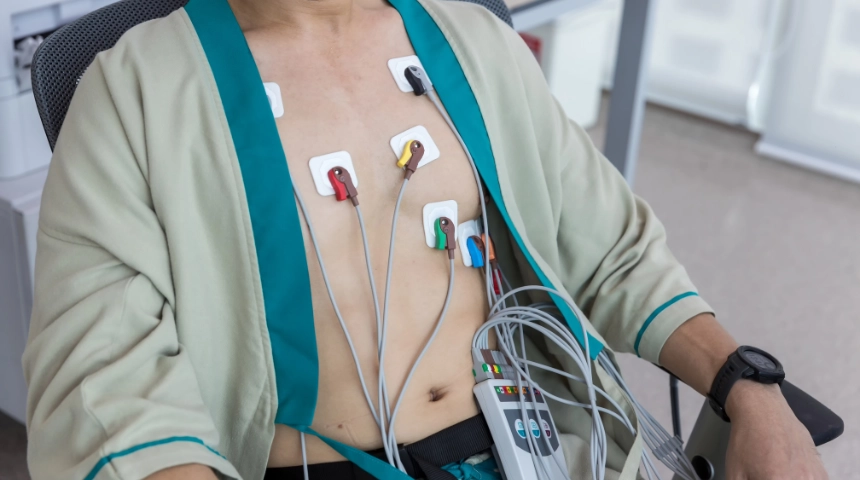
A Holter Monitoring Test is a non-invasive diagnostic procedure that continuously records the heart’s electrical activity for an extended period, usually 24 to 48 hours. Unlike a routine ECG that captures only a few seconds, this test monitors heart rhythm during daily activities and sleep. It helps doctors identify irregular heartbeats, silent arrhythmias, or heart rate changes that may not appear during a short hospital-based ECG recording.
2. Why is a Holter Monitoring Test Done ?
A Holter Monitoring Test is done to evaluate unexplained heart-related symptoms and to assess overall cardiac rhythm over time. It is especially useful when symptoms like palpitations, dizziness, or fainting occur intermittently. Doctors also use this test to monitor the effectiveness of heart medications, assess pacemaker function, or evaluate heart rhythm after a cardiac event, ensuring accurate diagnosis and timely treatment planning. ?
3. How is the Holter Monitoring Test Performed
The Holter Monitoring Test is simple and painless. Small electrodes are attached to the chest and connected to a portable recording device worn on a belt or strap. The patient continues normal daily activities while the device records heart rhythms continuously. After the monitoring period, the device is removed, and the recorded data is analyzed by specialists to detect rhythm abnormalities or unusual heart activity patterns.
4. Who Should Get a Holter Monitoring Test
A Holter Monitoring Test is recommended for individuals experiencing unexplained chest discomfort, irregular heartbeats, dizziness, or fainting spells. It is also advised for patients with known heart disease, those recovering from a heart attack, or individuals on heart rhythm medications. People with abnormal ECG results or suspected silent arrhythmias may also benefit from this continuous heart monitoring test.
Get the MediSuggest App – Healthcare at Your Fingertips
Stay connected to your care journey anytime, anywhere with our easy-to-use mobile app.

Key Features:
- Book appointments instantly for surgeries, diagnostics, and consultations.
- Find verified hospitals, doctors, and labs near you.
- Get real-time notifications, health tips, and appointment alerts.
- Securely access and manage all your medical records.
- Track inquiries and stay connected with 24/7 support.
Download Now



Free OPD Consultation

Free Pick & Drop Services

Cashless Mediclaim Assistance

Free Medical Counseling

30,000+ Verified Specialists

NABH Accredited Hospitals

NABL Accredited Labs

24/7 Care Support

Second Opinion from Experts

Transparent Cost Estimates
5. Why Holter Monitoring Test is Needed ?
The Holter Monitoring Test is needed to detect intermittent heart rhythm problems that standard ECG tests may miss. Continuous monitoring helps doctors make accurate, confident treatment decisions.
6. How the Holter Monitoring Test Helps ?
The Holter Monitoring Test provides continuous insight into heart rhythm during routine activities. It helps correlate symptoms with rhythm changes, supports diagnosis of arrhythmias, evaluates treatment effectiveness, and guides long-term cardiac care decisions with reliable, real-world heart activity data.
7. For Whom Holter Monitoring Test is Suitable ?
This test is suitable for adults and elderly patients with suspected heart rhythm disorders, patients under cardiac treatment monitoring, and individuals with unexplained cardiac symptoms. It is safe, non-invasive, and suitable for repeated use when ongoing heart rhythm evaluation is required.
8. Which Symptoms or Conditions Require Holter Monitoring Test Monitoring ?
Holter Monitoring Test monitoring is required for symptoms like palpitations, irregular heartbeat sensations, dizziness, fainting, unexplained fatigue, chest pain, or shortness of breath. It is also used for conditions such as atrial fibrillation, bradycardia, tachycardia, and post-heart attack rhythm evaluation.
Need for the Holter Monitoring Test
The Lupus Anticoagulants Test is essential for detecting clotting early, preventing severe complications, and guiding treatment plans safely for patients at risk of abnormal blood clotting.
1. Unexplained Blood Clots :- Detects antibodies causing abnormal clotting, reducing the risk of stroke or DVT. Early identification enables timely treatment and prevents life-threatening complications.
2. Recurrent Pregnancy Loss :- Helps understand clotting-related pregnancy complications. Detecting antibodies can guide therapy to improve pregnancy outcomes safely.
3. Autoimmune Disorder Monitoring :- Essential for lupus or similar conditions. Regular testing ensures blood clot risks are managed and treatment plans are adjusted appropriately.
4. Pre-Anticoagulant Therapy Assessment :- Before starting blood-thinning medication, the test ensures therapy is safe and effective, avoiding complications related to undetected clotting .
5. Family History of Clotting :- Provides proactive detection for individuals with genetic clotting risks, enabling preventive measures and early intervention for safer health outcomes.
Why Choose medisuggest for Holter Monitoring Test
Trusted medisuggest Lupus Anticoagulants Test for Accurate, Fast, and Convenient Blood Testing
1. Wide Lab Network :- Access certified labs near you, ensuring reliable testing and timely results without traveling far.
2. Quick Booking Process :- Seamless online booking saves time, allowing you to schedule tests at your convenience.
3. Home Sample Collection :- Convenient, hygienic, and safe sample collection at home for maximum comfort.
4. Expert Guidance :- Receive support from trained professionals for test preparation and post-test queries.
5. Affordable Pricing :- Transparent pricing ensures access to quality testing without hidden costs.
6. Fast and Accurate Results :- Reliable lab techniques deliver accurate results, helping your doctor make informed decisions quickly.
Advantages of Choosing medisuggest Holter Monitoring Test
medisuggest ensures reliable testing, convenient scheduling, home collection, and expert support for patients seeking accurate, timely Lupus Anticoagulants Test results.
1. Nearby Labs :- Find the most convenient lab location for fast, hassle-free testing.
2. Home Sample Collection :- Receive safe, professional home sample collection, minimizing travel and exposure risks.
3. Verified Labs :- All partner labs are certified for accuracy and safety.
4. Transparent Pricing :- Know costs upfront, with no hidden charges.
5. Fast Results :- Quick turnaround ensures timely diagnosis and treatment decisions.
6. Professional Support :- Expert guidance throughout the test process, from booking to result interpretation.
7. Flexible Scheduling :- Book tests at times that fit your schedule for maximum convenience.
8. Patient-Centric Experience :- Designed for comfort, reassurance, and ease throughout the testing journey.
Frequently Asked Questions
When will I get my Holter Monitoring Test results?
Results are usually available within a few days after device removal, once the recorded data is reviewed and analyzed by cardiac specialists.
Do I need fasting for the Holter Monitoring Test?
No fasting is required. You can eat and drink normally unless your doctor provides specific instructions related to your heart condition.
Can I do normal activities during the test?
Yes, patients are encouraged to continue routine activities so the test accurately records heart rhythm during real-life conditions. Bathing or swimming is usually avoided during monitoring.
How long do I need to wear the Holter monitor?
Most Holter Monitoring Tests are worn for 24 to 48 hours. Your doctor may recommend a longer duration depending on your symptoms and monitoring needs.
Is the Holter Monitoring Test painful?
No, the Holter Monitoring Test is completely painless. Electrodes are gently attached to the skin, and the device records heart activity without causing discomfort during normal daily activities.
Inspiring Patient Success Stories

Patient-Centric Diagnostic Coordination
mediSuggest provided continuous support and answered all my questions. The test helped my doctor identify the issue clearly.
Reliable Cardiac Diagnostic Service
The monitoring device was comfortable and data collection was smooth. mediSuggest made sure I received my reports on time.

Clear Instructions and Prompt Support
mediSuggest helped me understand the purpose of the test and arranged quick reporting. The entire process was handled efficiently.
Convenient and Well-Managed Heart Monitoring
The test setup was simple and the staff explained how to manage daily activities during monitoring. A very reassuring experience.
Professional Guidance With Accurate Testing
From booking to report delivery, everything was well coordinated. mediSuggest ensured timely results and proper medical guidance.
Smooth and Hassle-Free Diagnostic Experience
mediSuggest arranged the Holter monitoring test quickly and explained the process clearly. Wearing the device was comfortable and stress-free.