Introduction
Disc prolapse is a common spinal condition that affects millions of people worldwide and is a leading cause of back and neck pain. It occurs when one of the intervertebral discs—soft, cushion-like structures located between the bones of the spine—becomes displaced or damaged, leading to pressure on nearby nerves. This pressure can result in pain, numbness, weakness, or restricted movement, significantly impacting daily life.
Although disc prolapse can affect individuals of all ages, it is more commonly seen in adults due to age-related wear and tear, poor posture, or physical strain. Early recognition and appropriate treatment play a crucial role in preventing complications and restoring normal function.
Understanding Disc Prolapse
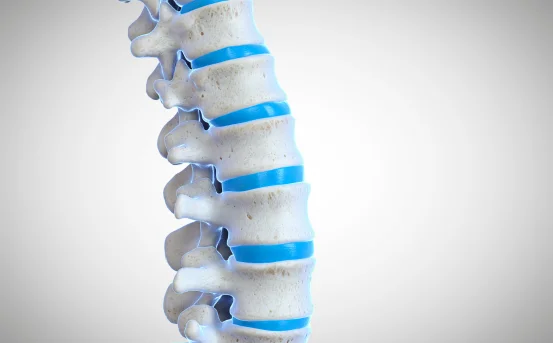
The spine is made up of vertebrae stacked on top of one another, separated by intervertebral discs. These discs act as shock absorbers, allowing flexibility and smooth movement of the spine. Each disc has a tough outer layer and a softer inner core that provides cushioning.
Disc prolapse occurs when the disc structure weakens, allowing the inner material to push outward and exert pressure on surrounding spinal nerves or the spinal cord. This pressure interferes with nerve signals, leading to pain and neurological symptoms. The condition can occur in the neck, upper back, or lower back, depending on which disc is affected.
Causes of Disc Prolapse
Several factors contribute to the development of disc prolapse. One of the most common causes is age-related degeneration, where discs lose moisture and elasticity over time, making them more prone to damage.
Other contributing factors include
- Poor posture during sitting, standing, or lifting
- Repetitive strain or heavy lifting, especially with improper technique
- Sudden trauma or injury to the spine
- Obesity, which increases pressure on spinal discs
- Sedentary lifestyle leading to weak core and back muscles
- Smoking, which reduces blood supply to spinal tissues
In some cases, genetic predisposition may also play a role, making certain individuals more susceptible to disc-related problems.
Symptoms of Disc Prolapse
The symptoms of disc prolapse vary depending on the location and severity of nerve compression. Some individuals may experience mild discomfort, while others may have severe and disabling pain.
Common symptoms include
- Persistent back or neck pain
- Pain radiating to the arms, shoulders, legs, or buttocks
- Numbness or tingling sensations in the limbs
- Muscle weakness or difficulty gripping objects
- Reduced flexibility and stiffness
- Pain that worsens with movement, coughing, or sneezing
In severe cases, disc prolapse may cause difficulty in walking, loss of coordination, or problems with bladder and bowel control, which require immediate medical attention.
Diagnosis of Disc Prolapse
Accurate diagnosis is essential for effective treatment. The evaluation usually begins with a detailed medical history and physical examination, during which the doctor assesses pain patterns, muscle strength, reflexes, and sensory function.
Imaging tests are commonly used to confirm the diagnosis and determine the extent of disc damage
- MRI scans provide detailed images of discs, nerves, and soft tissues
- CT scans help visualize bone and disc structure
- X-rays may be used to rule out fractures or spinal instability
In some cases, nerve conduction studies may be recommended to evaluate nerve involvement.
Treatment Options for Disc Prolapse
Treatment for disc prolapse focuses on relieving pain, reducing nerve compression, and restoring mobility. Most cases can be managed without surgery, especially when diagnosed early.
Conservative Treatment :- Non-surgical treatment options include
- Rest and activity modification to avoid strain
- Pain-relieving medications and anti-inflammatory drugs
- Muscle relaxants for spasms
- Physiotherapy to strengthen back and core muscles
- Heat or cold therapy to reduce inflammation
- Postural correction and ergonomic adjustments
Regular physiotherapy plays a vital role in long-term recovery by improving flexibility, posture, and spinal stability.
Surgical Management
Surgery is considered when conservative treatments fail to provide relief or when symptoms worsen. Indications for surgery include persistent pain, progressive nerve damage, or loss of function.
The goal of surgery is to relieve pressure on affected nerves and restore spinal stability. Modern surgical techniques are minimally invasive, resulting in smaller incisions, reduced pain, and faster recovery. Post-surgical rehabilitation is essential to regain strength and prevent recurrence.
Recovery and Lifestyle Management
Recovery from disc prolapse depends on the severity of the condition and adherence to treatment recommendations. Most patients experience significant improvement with proper care.
Lifestyle changes are crucial for preventing recurrence and maintaining spinal health
- Maintain a healthy weight
- Practice proper lifting techniques
- Stay physically active with low-impact exercises
- Strengthen core and back muscles
- Avoid prolonged sitting or poor posture
- Quit smoking to improve disc health
Consistency in these habits can significantly reduce the risk of future spinal issues.
Conclusion
Disc prolapse is a manageable spinal condition when diagnosed early and treated appropriately. Although it can cause significant discomfort and disrupt daily activities, advances in medical care have made effective treatment and recovery possible for most patients. From conservative management to surgical intervention when required, a tailored treatment approach ensures the best outcomes.
Understanding the causes, recognizing symptoms, and seeking timely medical advice are key to preventing complications. With proper care, lifestyle modifications, and professional guidance, individuals with disc prolapse can regain mobility, reduce pain, and lead an active, healthy life.
Discover modern disc prolapse treatments that reduce nerve pressure, improve spine function, and deliver long-lasting relief.