Introduction
Stroke is a serious medical emergency that occurs when blood flow to the brain is disrupted, leading to damage of brain cells due to lack of oxygen and nutrients. It is one of the leading causes of disability and death worldwide, making timely and effective management essential. Stroke management focuses not only on saving life during the acute phase but also on minimizing brain damage, preventing complications, restoring lost functions, and reducing the risk of recurrence.
The treatment of stroke management is a multidisciplinary and time-sensitive process that involves emergency care, hospital-based treatment, rehabilitation, and long-term preventive strategies. Early intervention significantly improves outcomes, emphasizing the importance of rapid medical attention and coordinated care.
Treatment of Stroke Management
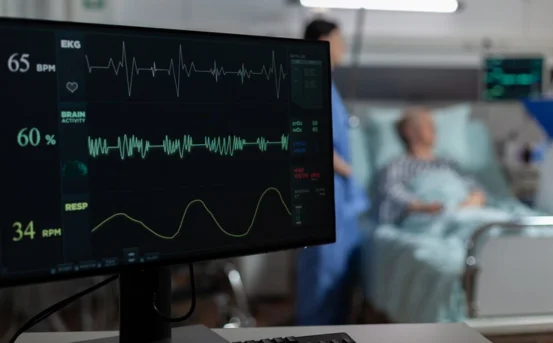
- Emergency Medical Treatment :- The first and most critical step in stroke management is immediate emergency care. Once a stroke is suspected, the patient must be transported to a medical facility as quickly as possible. Emergency treatment aims to stabilize vital functions and prevent further brain injury.
Doctors closely monitor
- Airway, breathing, and circulation
- Blood pressure and heart function
- Oxygen levels and blood glucose
Supportive measures such as oxygen therapy, intravenous fluids, and medications to stabilize blood pressure are initiated as needed. Rapid diagnostic imaging helps guide further treatment decisions, while continuous monitoring ensures early detection of complications.
- Hospital-Based Medical Management :- Once the patient is stabilized, hospital-based treatment focuses on limiting brain damage and preventing secondary complications. Medications play a crucial role in this phase. These may include drugs to improve blood circulation, prevent clot formation, reduce brain swelling, and control associated conditions such as high blood pressure, diabetes, or irregular heart rhythms. Careful monitoring in a specialized stroke unit improves recovery by ensuring
- Early mobilization when appropriate
- Strict control of blood pressure and blood sugar
- Prevention of infections such as pneumonia or urinary tract infections
- Management of swallowing difficulties to avoid aspiration
In some cases, medical or procedural interventions may be required to restore adequate blood flow or relieve pressure on the brain. These treatments are performed under expert supervision in advanced care settings.
- Surgical and Interventional Care :- Surgical or minimally invasive procedures may be necessary in selected cases to manage complications or improve circulation. These interventions aim to protect brain tissue, reduce pressure, or prevent future events.
Procedures may include
- Removing or repairing damaged blood vessels
- Relieving pressure caused by swelling or bleeding
- Clearing blockages in major arteries
Such interventions are performed by experienced neurosurgeons or vascular specialists and are followed by close post-procedure monitoring to ensure patient stability and recovery.
- Prevention of Complications :- Stroke patients are at high risk of developing complications during hospitalization. Effective stroke management includes proactive measures to prevent these issues.
Key preventive strategies include
- Blood thinning or circulation-supporting medications when appropriate
- Physiotherapy to prevent muscle stiffness and blood clots
- Proper nutrition and hydration
- Skin care to prevent pressure sores
- Swallowing assessments to reduce choking risks
Early recognition and treatment of complications significantly improve survival rates and functional outcomes.
- Rehabilitation and Functional Recovery :- Rehabilitation is a cornerstone of stroke management and begins as soon as the patient’s condition stabilizes. The goal is to help individuals regain as much independence as possible and adapt to any long-term limitations.
Stroke rehabilitation may involve
- Physical therapy to improve strength, balance, and mobility
- Occupational therapy to assist with daily activities such as dressing, eating, and writing
- Speech and language therapy for communication and swallowing difficulties
- Cognitive therapy to address memory, attention, and problem-solving challenges
Rehabilitation programs are personalized and may continue for months or even years, depending on the severity of impairment. Family involvement and emotional support play a vital role in recovery.
- Psychological and Emotional Support :- Stroke often affects emotional well-being in addition to physical health. Many patients experience anxiety, depression, frustration, or personality changes following a stroke.
Stroke management includes
- Psychological counseling
- Emotional support from healthcare providers and caregivers
- Medication for mood stabilization when needed
- Encouragement of social interaction and community support
Addressing emotional health is essential for overall recovery and long-term quality of life.
- Long-Term Management and Prevention :- After discharge, long-term stroke management focuses on preventing recurrence and maintaining overall health. Patients are advised to adopt lifestyle changes and adhere strictly to prescribed treatments.
Long-term strategies include
- Regular medical follow-ups
- Consistent use of prescribed medications
- Maintaining healthy blood pressure and blood sugar levels
- Engaging in regular physical activity
- Following a balanced diet low in salt and unhealthy fats
- Avoiding smoking and limiting alcohol consumption
Education and awareness empower patients and families to recognize warning signs early and seek prompt medical care if symptoms recur.
Role of a Multidisciplinary Team
Effective stroke management requires collaboration among various healthcare professionals, including emergency physicians, neurologists, nurses, rehabilitation therapists, psychologists, and social workers. This team-based approach ensures comprehensive care addressing medical, functional, emotional, and social needs. Coordinated care improves recovery outcomes, reduces hospital stays, and enhances patient satisfaction.
Conclusion
The treatment of stroke management is a complex and continuous process that extends far beyond emergency intervention. It involves rapid stabilization, hospital-based medical and surgical care, prevention of complications, intensive rehabilitation, psychological support, and long-term preventive strategies. Each phase plays a crucial role in improving survival, restoring function, and enhancing quality of life.
Early recognition, timely treatment, and a structured management plan guided by a multidisciplinary team are the foundations of successful stroke care. With proper treatment and sustained support, many stroke survivors can regain independence and lead fulfilling lives while reducing the risk of future events.