Introduction
Anesthesia is a cornerstone of modern medicine, allowing patients to undergo surgeries and invasive procedures painlessly. However, while anesthesia is generally safe, it requires careful management before, during, and after its administration. Understanding the treatment of anesthesia, its types, risks, and recovery methods is crucial for patients and healthcare providers alike.
What is Anesthesia?
Anesthesia refers to the use of medications to prevent pain and discomfort during medical procedures. It works by blocking nerve signals in the body or causing a temporary loss of consciousness. The primary goal of anesthesia is to ensure patient comfort, safety, and procedural success.
The three main types of anesthesia are
- General Anesthesia – Induces unconsciousness for major surgeries. Patients are unaware and feel no pain.
- Regional Anesthesia – Numbs a larger part of the body, such as an arm, leg, or lower half of the body, commonly used in childbirth and orthopedic surgeries.
- Local Anesthesia – Numbs a small, specific area for minor procedures like dental work or skin lesion removal.
Importance of Anesthesia Management
Proper anesthesia treatment is critical because even small errors can lead to complications. An anesthesiologist, a specialized medical doctor, evaluates each patient’s medical history, allergies, and current medications to determine the safest anesthesia plan. Factors like age, weight, existing medical conditions, and type of surgery influence the choice and dosage of anesthesia.
Pre-Anesthesia Preparation
The treatment of anesthesia begins well before the surgery. Pre-anesthesia preparation ensures patient safety and minimizes risks
- Medical Evaluation: Comprehensive assessment including blood tests, ECG, and other diagnostics.
- Medication Review: Certain medications, like blood thinners, may interfere with anesthesia.
- Fasting Guidelines: Patients are often instructed not to eat or drink for a specific period before anesthesia to reduce the risk of aspiration.
- Patient Education: Understanding what to expect helps reduce anxiety and improves cooperation during the procedure.
Administering Anesthesia
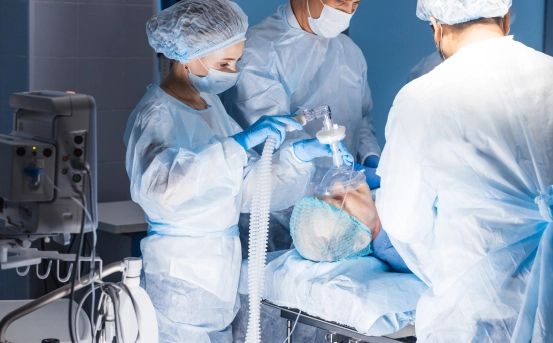
Administering anesthesia is a precise process carried out by trained anesthesiologists or nurse anesthetists. The procedure involves
- Induction – Introducing the anesthesia medication to the patient, either intravenously or through inhalation.
- Maintenance – Keeping the patient at the desired level of unconsciousness or numbness throughout the procedure.
- Monitoring – Continuous observation of vital signs, oxygen levels, and heart activity to prevent complications.
- Emergence – Gradually reducing anesthesia to allow the patient to regain consciousness safely.
Advanced monitoring systems and medications have significantly increased the safety of anesthesia, minimizing risks even in high-risk patients.
Post-Anesthesia Care
After surgery, post-anesthesia care is vital for recovery. Patients are moved to the Post-Anesthesia Care Unit (PACU) where medical staff monitor vital signs and manage any side effects. Common post-anesthesia issues include
- Nausea and vomiting
- Sore throat from intubation
- Temporary confusion or drowsiness
- Mild shivering or muscle aches
In most cases, these symptoms are temporary and resolve within a few hours. Severe complications, although rare, require immediate medical attention.
Complications and Risks of Anesthesia
While anesthesia is generally safe, it does carry some risks, particularly in patients with pre-existing conditions. Possible complications include
- Allergic reactions to anesthesia drugs
- Breathing difficulties
- Heart problems like arrhythmia or low blood pressure
- Rare long-term cognitive effects, especially in elderly patients
Preventive measures, thorough pre-anesthesia evaluation, and careful monitoring during surgery significantly reduce these risks.
Treatment of Anesthesia Complications
When anesthesia complications arise, timely treatment is critical. Common interventions include
- Medication Reversal: Some anesthetic drugs can be countered with specific reversal agents. For instance, opioid-induced respiratory depression can be treated with naloxone.
- Oxygen Therapy: Supplemental oxygen or mechanical ventilation may be necessary in case of breathing difficulties.
- Fluid and Medication Management: Intravenous fluids and medications help maintain blood pressure and correct electrolyte imbalances.
- Emergency Interventions: In severe reactions such as anaphylaxis, immediate administration of epinephrine and other life-saving measures is performed.
The ability to manage anesthesia complications effectively underscores the importance of having trained professionals and modern monitoring equipment during surgery.
Innovations in Anesthesia Treatment
Recent advancements in anesthesia have improved patient safety and comfort
- Target-Controlled Infusion (TCI): Computer-guided anesthesia delivery allows precise dosing based on individual patient parameters.
- Enhanced Recovery After Surgery (ERAS) Protocols: Focus on minimizing anesthesia-related side effects and speeding up recovery.
- Multimodal Pain Management: Combines different medications and techniques to reduce reliance on high doses of general anesthesia.
These innovations not only make anesthesia safer but also improve overall surgical outcomes.
Conclusion
The treatment of anesthesia is a complex process that requires expertise, careful planning, and vigilant monitoring. From preoperative evaluation to post-anesthesia care, every step is essential to ensure patient safety and comfort. Advances in anesthesia management continue to reduce risks and enhance recovery, making surgeries safer than ever.
Patients should always communicate their medical history and concerns with their healthcare providers and follow all preoperative and postoperative instructions. Understanding anesthesia and its treatment helps alleviate fears and ensures a smoother, safer surgical experience.