Introduction
Disc herniation is a common spinal condition that affects people of various age groups and lifestyles. It occurs when one of the soft cushions, known as intervertebral discs, located between the bones of the spine, becomes damaged and allows its inner material to push outward. This condition can place pressure on nearby nerves, leading to pain, discomfort, and restricted movement. Disc herniation is often associated with back or neck pain, but in more severe cases, it can cause symptoms that radiate to the arms or legs, significantly affecting daily activities and quality of life.
Understanding disc herniation is essential for early recognition, effective treatment, and prevention of long-term complications. With timely medical care and appropriate lifestyle modifications, many individuals can successfully manage the condition and return to normal activities.
Understanding Disc Herniation Treatment
The spine is made up of a series of bones called vertebrae, separated by intervertebral discs that act as shock absorbers. These discs are composed of a tough outer layer and a soft, gel-like center. Their primary role is to provide flexibility and support while protecting the spine during movement. Disc herniation occurs when the outer layer of the disc weakens or tears, allowing the inner material to protrude beyond its normal boundary. This protrusion can compress nearby nerves or the spinal cord, leading to pain and neurological symptoms. The severity of symptoms depends on the location of the herniation, the extent of nerve involvement, and the individual’s overall spinal health.
Causes of Disc Herniation
Several factors can contribute to the development of disc herniation. One of the most common causes is age-related degeneration. As people grow older, spinal discs gradually lose water content, becoming less flexible and more prone to damage. Physical strain or injury is another major cause. Sudden movements, heavy lifting, improper posture, or repetitive stress on the spine can lead to disc damage. Occupations that require prolonged sitting, bending, or lifting increase the risk of disc herniation. Poor posture also plays a significant role. Sitting or standing incorrectly for long periods places excessive pressure on the spine, gradually weakening the discs. Additionally, lack of physical activity can reduce core strength, making the spine less stable and more vulnerable to injury. Other contributing factors include obesity, smoking, and genetic predisposition. Excess body weight places additional stress on the spine, while smoking reduces blood flow to spinal tissues, accelerating disc degeneration.
Symptoms of Disc Herniation
Symptoms of disc herniation vary widely depending on the degree of nerve involvement. In some cases, individuals may experience mild discomfort, while others may develop severe and persistent pain. Common symptoms include localized pain in the neck or lower back, stiffness, and muscle spasms. When a herniated disc presses on nearby nerves, pain may radiate along the nerve pathway, affecting the arms, hands, legs, or feet. This radiating pain is often described as sharp, burning, or electric in nature. Other symptoms may include numbness, tingling, or weakness in the affected area. In severe cases, disc herniation can interfere with nerve signals, leading to difficulty in walking, reduced coordination, or loss of strength. Symptoms may worsen with movement, prolonged sitting, or bending and may improve with rest or position changes.
Diagnosis of Disc Herniation
Accurate diagnosis is crucial for effective treatment. A doctor begins by reviewing the patient’s medical history and performing a physical examination to assess pain, reflexes, muscle strength, and sensory response. Imaging studies play a key role in confirming disc herniation. Magnetic resonance imaging (MRI) is commonly used to provide detailed images of the spinal discs, nerves, and surrounding tissues. In some cases, computed tomography (CT) scans or X-rays may be used to rule out other spinal conditions. Additional tests may be recommended if nerve damage is suspected. These evaluations help determine the severity of the condition and guide the treatment plan.
Treatment and Management
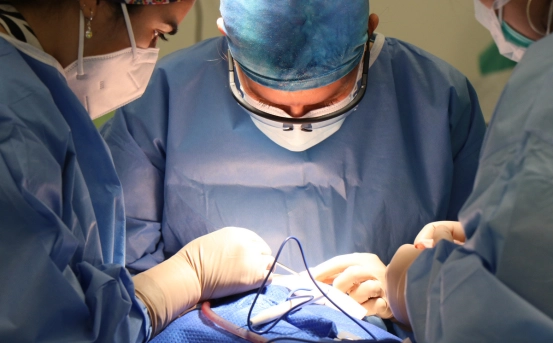
Treatment for disc herniation focuses on relieving pain, reducing inflammation, and restoring normal movement. Most cases can be managed with non-surgical approaches, especially when diagnosed early. Conservative treatment includes rest, physical therapy, and medications such as anti-inflammatory drugs or muscle relaxants. Physical therapy plays a crucial role by strengthening the muscles that support the spine, improving flexibility, and correcting posture. Lifestyle modifications are equally important. Maintaining a healthy weight, avoiding activities that strain the spine, practicing proper lifting techniques, and staying physically active can significantly reduce symptoms and prevent recurrence. Surgical intervention may be considered when conservative treatments fail or when there is significant nerve compression causing severe pain or neurological deficits. Surgical procedures aim to relieve pressure on the affected nerves and restore spinal function. Advances in minimally invasive techniques have improved recovery times and outcomes for patients requiring surgery.
Prevention and Long-Term Care
Preventing disc herniation involves adopting healthy habits that support spinal health. Regular exercise, especially activities that strengthen the core muscles, helps maintain spinal stability. Proper posture while sitting, standing, and sleeping reduces unnecessary strain on the discs. Using ergonomic furniture, taking breaks during prolonged sitting, and avoiding sudden or heavy lifting are effective preventive measures. Quitting smoking and maintaining overall physical fitness also contribute to healthier spinal discs. Long-term care includes continued physical activity, periodic medical checkups, and adherence to rehabilitation programs when recommended. These measures help prevent recurrence and promote long-lasting spinal health.
Conclusion
Disc herniation is a common but manageable spinal condition that can significantly impact daily life if left untreated. It occurs when the protective discs between the vertebrae become damaged and place pressure on nearby nerves, leading to pain and neurological symptoms. Early diagnosis, appropriate treatment, and lifestyle modifications play a vital role in recovery and long-term management.
With advances in medical care and a proactive approach to spinal health, most individuals with disc herniation can achieve significant pain relief and regain normal function. Understanding the condition empowers patients to seek timely treatment, make informed decisions, and protect their spine for a healthier and more active future.