Introduction
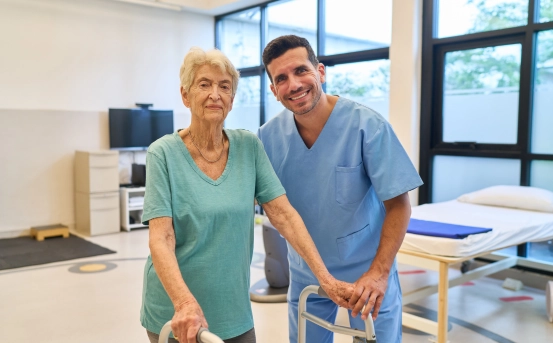
Neuro rehabilitation is an essential branch of medicine and therapy that focuses on improving the quality of life for individuals affected by neurological disorders. Neurological injuries can result from accidents, strokes, spinal cord injuries, or degenerative diseases like Parkinson’s and multiple sclerosis. These conditions often impair a person’s mobility, speech, cognitive functions, or daily activities. Neurorehabilitation aims to restore these abilities and help patients regain independence, confidence, and a better quality of life.
What is Neuro Rehabilitation?
Neurorehabilitation is a specialized therapeutic approach designed to treat individuals who have suffered damage to their nervous system. The nervous system, which includes the brain, spinal cord, and peripheral nerves, is responsible for controlling movement, sensation, balance, and cognitive functions. When this system is compromised due to injury or disease, patients may experience paralysis, speech difficulties, memory loss, or chronic pain. Neurorehabilitation uses a combination of medical interventions, therapies, and technological support to promote recovery and compensate for lost functions.
Unlike general rehabilitation, which may focus on physical injuries or postsurgical recovery, neurorehabilitation addresses the complex interplay between neurological deficits and daily functioning. It involves a multidisciplinary team of neurologists, physiotherapists, occupational therapists, speech language pathologists, psychologists, and nurses working together to provide personalized care.
Who Needs Neuro Rehabilitation?
Neurorehabilitation is beneficial for individuals with various neurological conditions, including
- Stroke survivors: Stroke often damages parts of the brain responsible for movement, speech, and cognition. Neurorehabilitation helps patients regain these abilities.
- Traumatic brain injury (TBI): Accidents or falls may cause long term cognitive, physical, or emotional deficits. Therapy supports recovery.
- Spinal cord injuries: These injuries may result in partial or complete paralysis, requiring intensive rehabilitation to improve mobility and independence.
- Neurodegenerative disorders: Conditions like Parkinson’s disease, multiple sclerosis, and amyotrophic lateral sclerosis (ALS) benefit from therapy to slow progression and maintain functionality.
- Peripheral nerve injuries: Injuries to nerves outside the brain and spinal cord can lead to weakness or sensory loss, which rehabilitation can help restore.
Goals of Neuro Rehabilitation
The primary goal of neurorehabilitation is to help patients regain as much function as possible and improve their overall quality of life. Specific objectives include
- Restoring Mobility and Strength: Physical therapy focuses on rebuilding muscle strength, balance, and coordination.
- Improving Cognitive Functions: Occupational and cognitive therapies enhance memory, attention, and problem solving skills.
- Enhancing Communication: Speech therapy addresses language deficits and swallowing difficulties.
- Promoting Emotional Well Being: Psychological support helps patients cope with depression, anxiety, and emotional trauma after neurological injury.
- Maximizing Independence: Rehabilitation empowers patients to perform daily activities like dressing, cooking, and personal care with minimal assistance.
Techniques and Therapies in Neuro Rehabilitation
Neurorehabilitation employs a wide range of therapies tailored to the patient’s condition, severity, and goals. Some commonly used techniques include
- Physical Therapy : Physical therapy aims to restore movement, strength, and balance. Exercises may include stretching, resistance training, walking, and coordination drills. Advanced techniques like robotic assisted therapy and functional electrical stimulation can further aid recovery.
- Occupational Therapy : Occupational therapy helps patients regain the ability to perform everyday tasks. Therapists train patients in fine motor skills, hand eye coordination, and adaptive techniques for activities like cooking, dressing, and using technology.
- Speech and Language Therapy : Neurological injuries often affect speech, language, and swallowing. Speech therapists provide exercises to improve pronunciation, comprehension, writing skills, and swallowing safety.
- Cognitive Rehabilitation : Cognitive rehabilitation targets attention, memory, planning, and problem solving abilities. Techniques may include computer based exercises, memory drills, and practical tasks that stimulate cognitive recovery.
- Neuropsychological Support : Neurological injuries can cause emotional and psychological changes. Counseling, psychotherapy, and behavioral therapies help patients cope with anxiety, depression, and mood swings.
- Assistive Technology : Modern neurorehabilitation uses devices like exoskeletons, virtual reality systems, and brain computer interfaces to enhance therapy outcomes and make exercises more engaging.
Importance of Early Intervention
Timely neurorehabilitation is critical for maximizing recovery. The brain and nervous system have a degree of plasticity, which means they can adapt and reorganize to compensate for lost functions. Early intervention helps harness this neuroplasticity, preventing secondary complications like muscle contractures, joint stiffness, and cognitive decline.
Studies have shown that patients who start rehabilitation soon after a neurological injury achieve faster and more complete recovery compared to those who delay treatment. Early therapy also reduces hospital stays, improves mental health, and promotes social reintegration.
Multidisciplinary Approach
Effective neurorehabilitation requires a teambased approach. Each specialist contributes their expertise to develop a personalized rehabilitation plan
- Neurologists monitor disease progression and prescribe medical interventions.
- Physiotherapists focus on movement and physical recovery.
- Occupational therapists enhance functional independence.
- Speechlanguage pathologists improve communication and swallowing.
- Psychologists support emotional and cognitive wellbeing.
- Nurses ensure consistent care and monitor overall health.
By working together, this team ensures comprehensive care, addressing both physical and cognitive challenges.
Challenges in Neuro Rehabilitation
Despite its effectiveness, neurorehabilitation comes with challenges
- Variability of Recovery: Each patient’s response to therapy is unique, influenced by age, injury severity, and health conditions.
- Long Duration: Rehabilitation often requires months or years of consistent effort.
- Access and Costs: Advanced therapies and technologies may not be available to all patients.
- Motivation and Compliance: Recovery demands active participation, which can be difficult if patients experience depression or fatigue.
Addressing these challenges requires patient education, family support, and accessible rehabilitation programs.
Future of Neuro Rehabilitation
The future of neurorehabilitation looks promising, driven by technological advancements and research
- Robotics and Exoskeletons: Assist patients with mobility training and repetitive exercises.
- Virtual Reality (VR): Engages patients in interactive environments to enhance motor and cognitive skills.
- Neurostimulation Techniques: Methods like transcranial magnetic stimulation (TMS) stimulate brain activity to accelerate recovery.
- Artificial Intelligence (AI): Personalized therapy plans based on patient data and progress monitoring.
- Telerehabilitation: Remote therapy sessions improve access for patients in rural or underserved areas.
These innovations aim to make rehabilitation more efficient, engaging, and widely accessible.
Conclusion
Neurorehabilitation is a vital component of healthcare for individuals affected by neurological injuries and disorders. It goes beyond physical recovery, addressing cognitive, emotional, and functional challenges to restore independence and improve quality of life. Early intervention, a multidisciplinary approach, and modern technologies significantly enhance recovery outcomes.
Whether recovering from a stroke, traumatic brain injury, spinal cord damage, or neurodegenerative disorder, neurorehabilitation empowers patients to regain control over their lives, achieve their maximum potential, and reintegrate into society with confidence. Investing in neurorehabilitation is investing in hope, mobility, and a better future for those navigating the challenges of neurological disorders.