Introduction
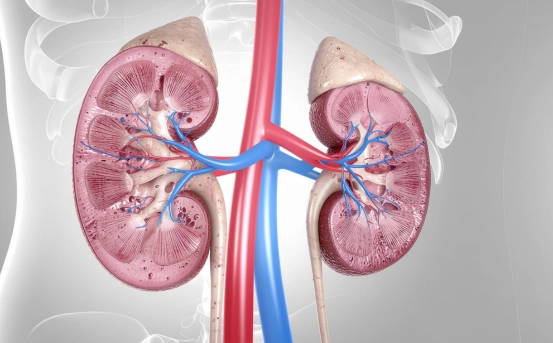
Acute renal failure (ARF), also known as acute kidney injury (AKI), is a sudden and often reversible decline in kidney function. Unlike chronic kidney disease, which develops gradually over months or years, ARF occurs over a short period of time typically hours to days. The kidneys play a critical role in filtering waste products from the blood, maintaining fluid and electrolyte balance, and regulating blood pressure. When kidney function deteriorates rapidly, the body’s ability to maintain these essential functions is compromised, potentially leading to serious health complications.
Causes of Acute Renal Failure
Acute renal failure can occur due to several underlying causes, generally classified into three main categories: prerenal, intrinsic, and postrenal causes.
- Prerenal Causes: These are conditions that reduce blood flow to the kidneys without directly damaging the kidney tissue. Common prerenal causes include severe dehydration, excessive blood loss, heart failure, liver failure, and shock. When the kidneys do not receive sufficient blood flow, they cannot function effectively, leading to the accumulation of waste products in the body.
- Intrinsic Causes: These occur when the kidney tissue itself is damaged. Causes can include infections, toxins, certain medications (such as NSAIDs or aminoglycoside antibiotics), inflammation, or acute glomerulonephritis. Intrinsic ARF may involve damage to different parts of the kidney, including the glomeruli, tubules, or interstitial tissue.
- Postrenal Causes: These occur when there is an obstruction in the urinary tract that prevents urine from leaving the kidneys. Common postrenal causes include kidney stones, enlarged prostate, tumors, or strictures in the ureters or urethra. If the obstruction is not relieved promptly, it can lead to permanent kidney damage.
Symptoms of Acute Renal Failure
The signs and symptoms of ARF can vary depending on the underlying cause, severity, and the speed of onset. Some common symptoms include
- Reduced urine output: One of the most noticeable symptoms, although in some cases urine output may remain normal.
- Swelling: Due to fluid retention, particularly in the legs, ankles, or around the eyes.
- Fatigue and weakness: The accumulation of waste products can affect overall energy levels.
- Shortness of breath: Fluid overload can affect the lungs, causing difficulty in breathing.
- Confusion or altered mental status: Toxin buildup can impact brain function.
- Nausea and vomiting: Common in many patients with ARF due to waste product accumulation.
Prompt recognition of these symptoms is essential for early treatment and prevention of complications.
Risk Factors for Acute Renal Failure
Certain individuals are at a higher risk of developing acute renal failure. Risk factors include
- Older age: Kidney function naturally declines with age.
- Preexisting kidney disease: People with chronic kidney disease are more vulnerable.
- Diabetes and high blood pressure: Both conditions can damage blood vessels and affect kidney function.
- Heart disease or liver disease: These can compromise kidney perfusion.
- Use of nephrotoxic medications: Drugs like NSAIDs, certain antibiotics, or chemotherapy agents can increase risk.
- Severe infections or sepsis: Can reduce blood flow to the kidneys and trigger ARF.
Diagnosis of Acute Renal Failure
Diagnosing ARF requires a combination of medical history, physical examination, and laboratory tests. Healthcare providers typically assess kidney function through
- Blood tests: Measuring levels of creatinine and blood urea nitrogen (BUN) helps evaluate kidney function.
- Urine tests: Urinalysis can detect abnormalities such as protein, blood, or abnormal cells.
- Imaging studies: Ultrasound or CT scans can identify obstructions or structural problems in the urinary tract.
- Kidney biopsy: In certain cases, a small sample of kidney tissue may be taken to determine the exact cause of ARF.
Early diagnosis is critical because timely treatment can often reverse kidney damage and prevent longterm complications.
Treatment of Acute Renal Failure
Treatment for ARF depends on its underlying cause and severity. The primary goals are to restore kidney function, manage symptoms, and prevent further damage.
- Addressing the underlying cause: For prerenal ARF, improving blood flow through hydration or medications may be sufficient. In postrenal ARF, removing the obstruction is crucial. Intrinsic ARF may require treatment of infections, stopping harmful medications, or managing autoimmune conditions.
- Medications: Depending on the condition, medications may be given to control blood pressure, manage electrolytes, or treat infections.
- Dialysis: In severe cases where kidneys cannot adequately filter waste, temporary dialysis may be required. Dialysis helps remove toxins and excess fluids, supporting the body while the kidneys recover.
- Lifestyle and supportive care: Maintaining proper hydration, following a kidneyfriendly diet, and avoiding nephrotoxic substances are essential for recovery.
Complications of Acute Renal Failure
If left untreated or if the underlying cause is not addressed, ARF can lead to serious complications, including
- Chronic kidney disease: ARF can progress to longterm kidney damage.
- Electrolyte imbalances: High potassium levels (hyperkalemia) can lead to heart rhythm disturbances.
- Fluid overload: Can cause swelling, hypertension, and pulmonary edema.
- Infections: Reduced kidney function can weaken the immune system, increasing infection risk.
- Multiple organ failure: Severe ARF can affect other organs, particularly the heart and lungs.
Prevention of Acute Renal Failure
While not all cases of ARF can be prevented, certain measures can significantly reduce the risk
- Stay hydrated: Drink adequate water, especially during illness or heat exposure.
- Use medications cautiously: Avoid overuse of NSAIDs or other nephrotoxic drugs.
- Manage chronic conditions: Control diabetes, high blood pressure, and heart disease effectively.
- Seek prompt medical care: Early treatment for infections, dehydration, or urinary tract obstructions can prevent ARF.
- Regular checkups: Routine kidney function tests help detect problems early.
Conclusion
Acute renal failure is a serious medical condition that requires prompt recognition and treatment. While it can be lifethreatening if left untreated, early diagnosis and intervention can often restore kidney function and prevent longterm damage. Understanding the causes, symptoms, and risk factors of ARF is essential for both patients and caregivers. By staying informed, managing chronic health conditions, and seeking timely medical care, the risk of acute kidney injury can be significantly reduced, allowing individuals to maintain optimal kidney health.